
Freeplay: Parallels is a showcase of the power of the local indie game scene here in Australia. It’s a curated show that features talks from developers sharing their insights and stories, while also giving attendees a chance to get hands-on with some of these games.
This will be the show’s eleventh year, a follow-up to their massive tenth anniversary show last year, which was highly discussed among the crowds I was with during MIGW/PAX the previous year.
I had the opportunity to ask Louie Roots, one of the co-leads at Freeplay, some questions about the show itself and plans for this year’s event. My first two questions for Louie were about how Freeplay: Parallels may have originally been conceived, vs where it’s at now:
“If you mean, how has it changed since it started – well, it was started eleven years ago by Freeplay’s then-director, Dan Golding, and we’ve tried to keep with his original concept, it’s just gradually become bigger-scale. It’s still heartfelt talks and experimental games from independent local game makers, but in his time, it had about a hundred attendees in a smaller venue, and now we run it in a larger place for around a thousand attendees.”
It’s always great to read about grassroots events like this growing to such an extent: from hundreds to thousands!
“For the most part, we’re happy with what we’re doing; when we came in as directors, the main thing we wanted to do was make the event more social, since the original showcase format meant people left after the talks were over. Now we’re in the town hall and there’s space for playable games, attendees have something to stick around for after the talks, and that also means people have the opportunity to chat and socialise. So, we did actually get the main change we wanted!
“Outside of that, most of what we want is stability. Every year, the funds available from local arts orgs and the industry change, which means we have to spend a lot longer than we’d like running around trying to figure out who can help make the event happen. Having more multi-year arts funds or games companies willing to commit to events for multiple years would give us that stability, so we hope there are improvements around that in the future – the less time we have to worry about money, the more time we can put into things like having cool installations or refining the showcase itself.”
The instability of certain government funds for events, games, or otherwise, is something I’ve heard about from people all the way from my hometown to TAS to VIC.
As I mentioned at the start of the piece, last year’s event was frequently discussed in the circles I was in, but I didn’t attend myself. So I was curious to ask Louie if the event had exceeded expectations:
“Last year was both the organisation’s 20th Anniversary and Parallel’s 10th Anniversary, and we decided to bump Parallels up to a higher capacity to ensure tickets were available to everyone who wanted to come and not just the first few hundred people. We jumped up in capacity and added a playable showcase to expand the offering to an entire evening. We had such a great time, and the community turned out in droves; we really felt incredibly important in the games week ecosystem.
This year’s show features Isopod: A Webbed Spine-Off, Pro Jank Footy, and Cast n Chill among the games that will be showcased. They’re all very different, so what goes into selecting the games that will be at the event? And which games are the team most excited to have featured?
“We talk to as many people as possible, exploring all the projects in development around Australia, even looking at New Zealand and Southeast Asia, searching for experimental and exciting games. We want to see the developer reflected in the work, and when we find a project that makes us interested, we look into it further. With this process we tend to find diverse voices and under represented artists, often skirting the edge of games, interactivity and art. It all comes together, and we look at which developers have good stories, which have games more suited to play, and which are better suited to other platforms.
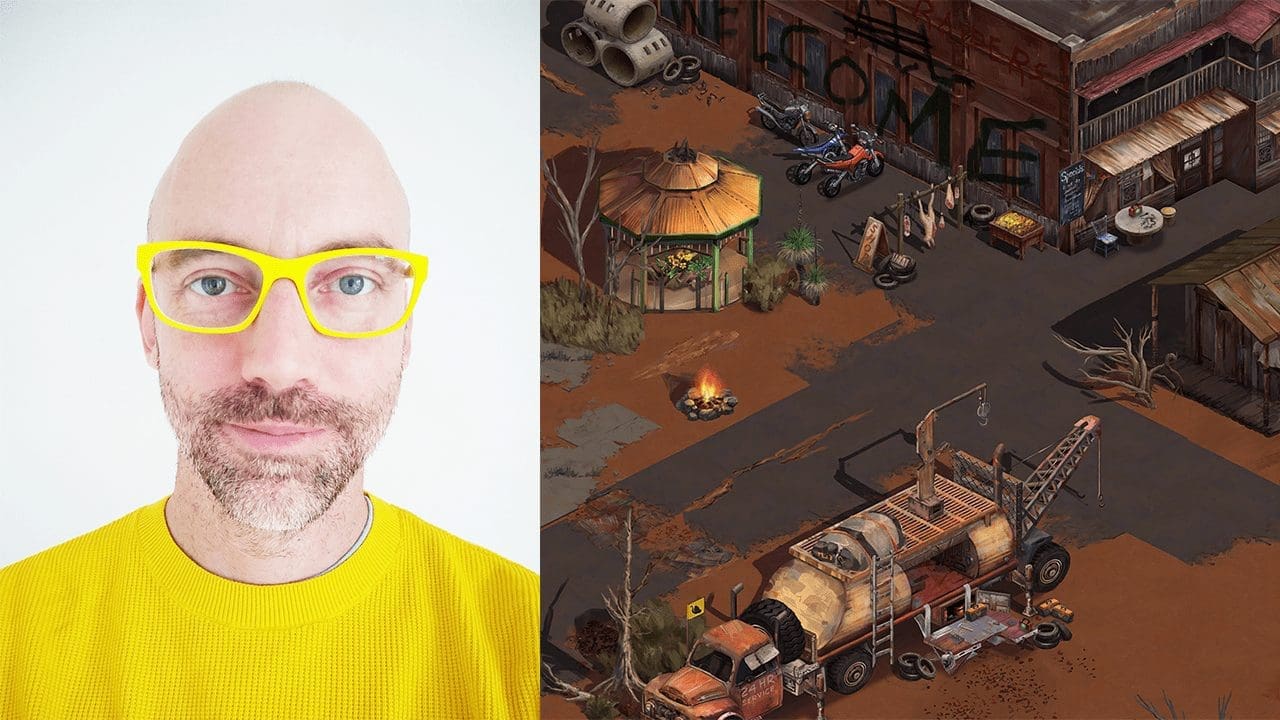
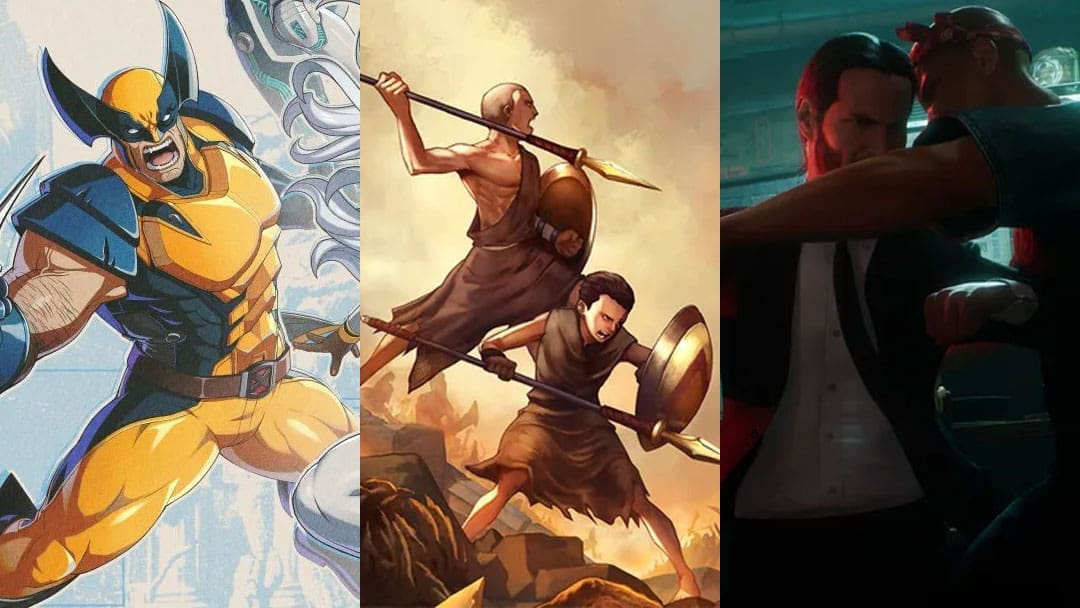
We’re excited for the variety of playable games this year, but we’d have to give shout-outs to past Parallels speakers such as Sbug Games, who will be showing a playable version of Isopod, and Leura Smith, who will be showing her new work-in-progress Canvas Street. Some games will be hectic, such as Pro Jank Footy, and on the other end of the spectrum, we’ll be showing Cast n Chill, an idle game with no inputs at all (for this version). Again, it’s a broad spectrum, and we want to explore as many different games with our audience.”

They’re all fascinating games, and as someone with a Webbed plushy, I’m eager for the release and to learn more about Isopod!
Still, when it comes to the games themselves, one thing I wasn’t sure whether to open the can of worms on was Web3 and games that heavily utilise AI. I had incorrectly assumed they would be blanketly not allowed in the event, and Louie had an exciting answer when I asked about any rules and plans to protect an event focused on indie creative teams.
“At the moment, we don’t have any specific rules or regulations around AI or Web3; there are a lot of corporate bad actors making and using tech in exploitative ways that we wouldn’t want to platform, but there are also experiments that it’s interesting to talk about. For instance, at Parallels 2023, we had a talk from Ben Koder about his game Through the Lens, which used an old Nvidia tool to generate landscape photos from abstract shapes. His talk explored both the unique way the game used the tool, and the fact that the tool – and thus his game – were shut off and became unusable when Nvidia decided the tool wasn’t worth maintaining.”
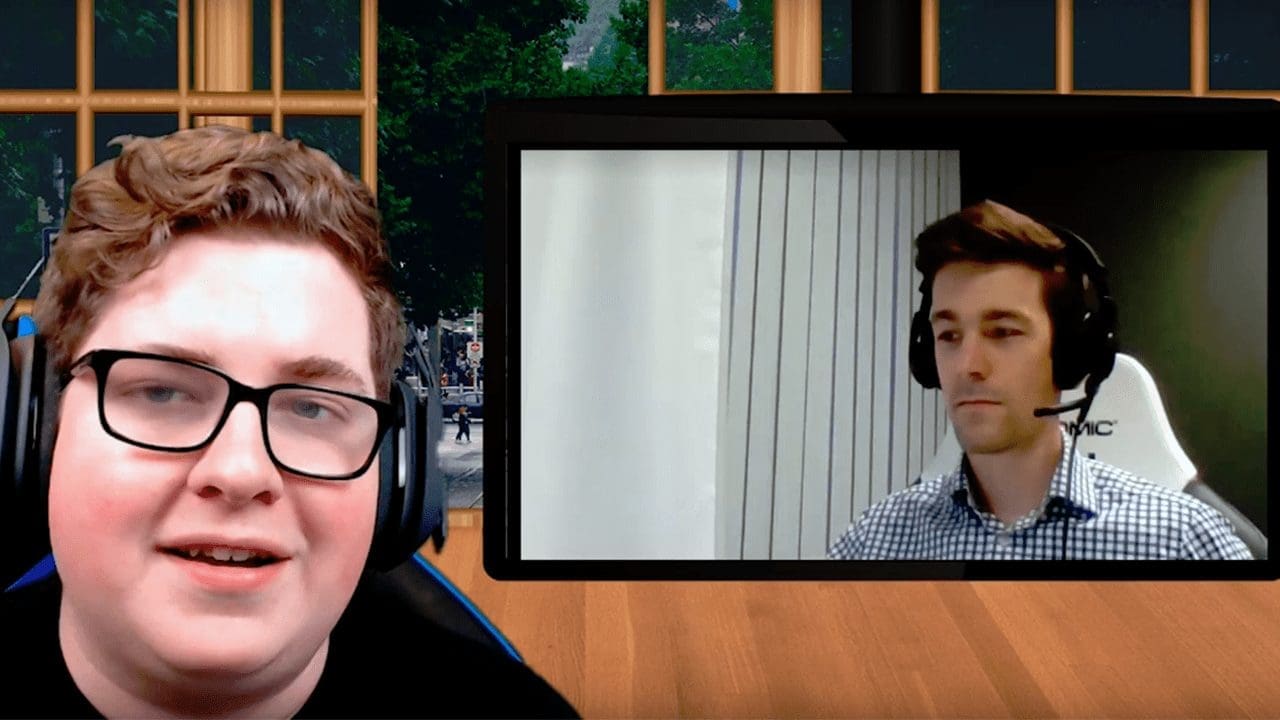
I had to go back and check out this talk from Ben Koder after Louie mentioned it, and you can check it out below for yourself.
In it, Ben Koder talks about an odd, little, and experimental generative AI game, which, at its centre, is a person just exploring new and interesting technology.
“While we don’t want to support people using technology in destructive ways, we also don’t want to cut ourselves out of talking about experiments like that entirely. For some further thinking around this, there’s an academic called Mike Cook who’s been doing research on AI for games for years, who’s written a lot of articles about how the corporatisation of AI has impacted both his work and attitudes toward his work”.
And now coming into this year’s Parallels show, I asked what the most exciting thing happening at this year’s Freeplay Parallels would be:
“The most exciting thing about every Parallels is the atmosphere that comes with a community of passionate game makers. It’s a unique space with a huge importance to the industry, reinvigorating everyone and getting as much creativity going as possible. Personally, I’m excited for the talks, because we don’t actually know what people will be talking about, and I’m also very excited to bring outsiders into the games industry, such as Tee Ken Ng, who has a wealth of experience as a creative technologist and will be showing his first playable work on a big old rear projection TV.
I would love them to walk away feeling that they have a real, tangible community around them in Melbourne, and they can see the place of their community amongst the world of developers and artists out there. I want people to get excited about making experimental works and showing their humanity through their play, and most of all, just get out and make shit. Make games, make events, make fun and play wherever they can.”
As of the time of writing, tickets for the event are still available for purchase, which can be done here. I’d expect the show to sell out ahead of the event, so if you’re interested, I’d grab some ticket(s) now.
Thank you to Louie Roots for taking the time out of their day to answer some questions about Freeplay: Paralles. This year’s show promises to be, as ever, an exciting evening to learn about, play some upcoming local games, and hear from the creators.
Freeplay: Parallels runs as part of Melbourne International Games Week 2025