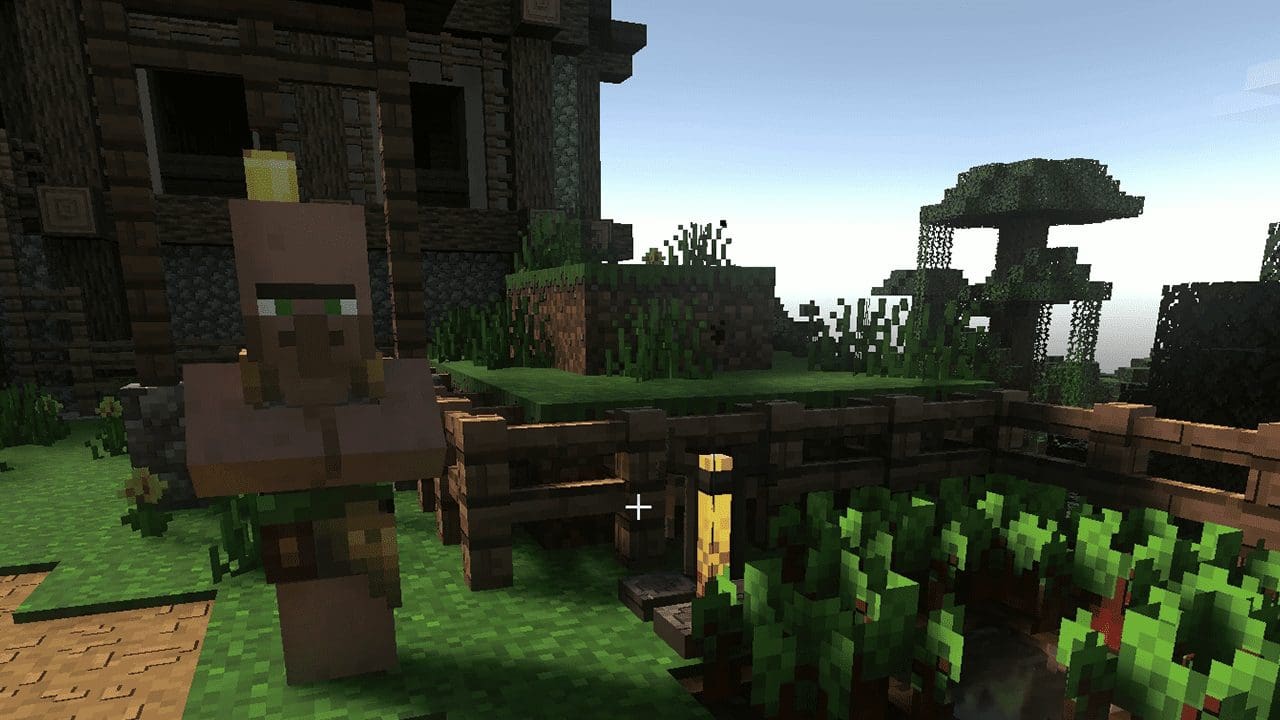
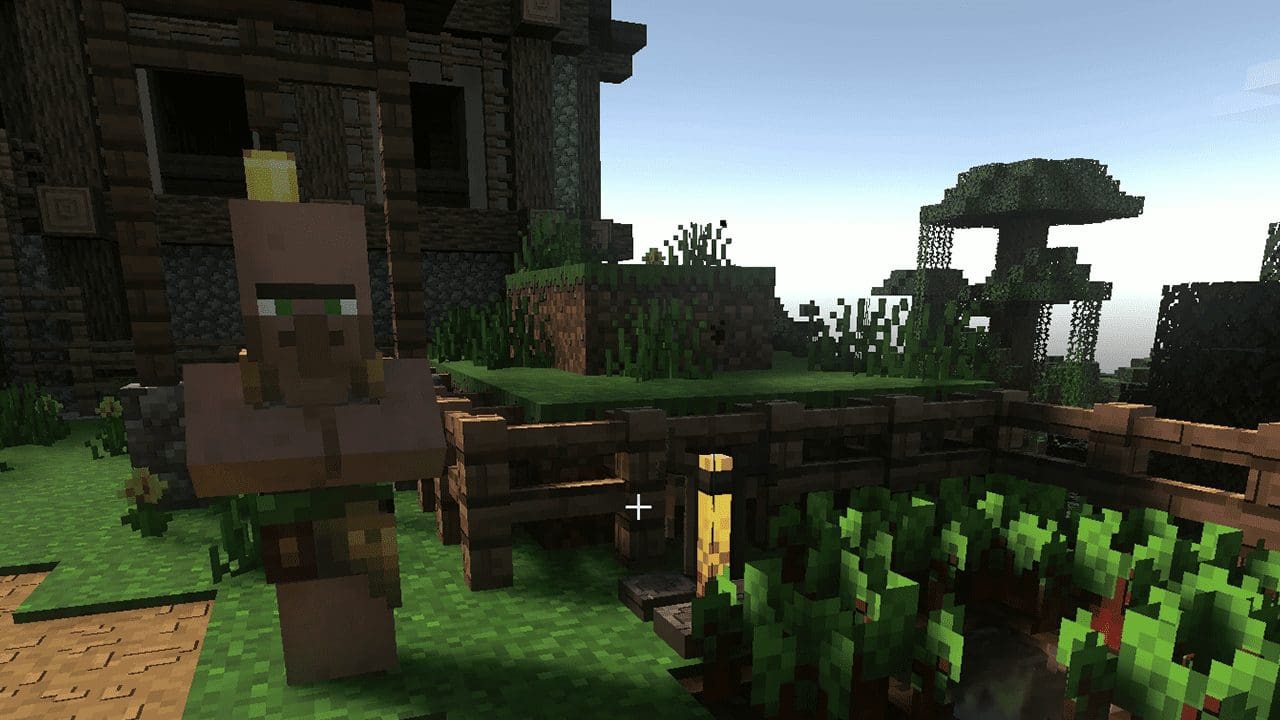
At PAX Australia 2019 I was lucky enough to not only get hands-on with Minecraft using NVIDIA’s real-time ray tracing (RTX) but also sit down for a fantastic explanation of the tech from the team at NVIDIA.
Let’s not beat around the bush: ray tracing is next-level for pushing video game visuals forward. It’s not just a buzzword or a fad. It’s something you should care about—and to see what RTX can bring to games, let’s talk Minecraft. No, I’m not joking.
I don’t play Minecraft; I don’t particularly care about Minecraft—well, apart from Minecraft Dungeons, which looks fun—and when I saw an invite to try a then-unreleased RTX update, I was skeptical. “How much difference could RTX make to a game like Minecraft?” I thought. But I’m heavily intrigued by the technology, especially with both the PS5 and Project Scarlett having mentioned ray tracing in their initial reveals from Sony and Microsoft.
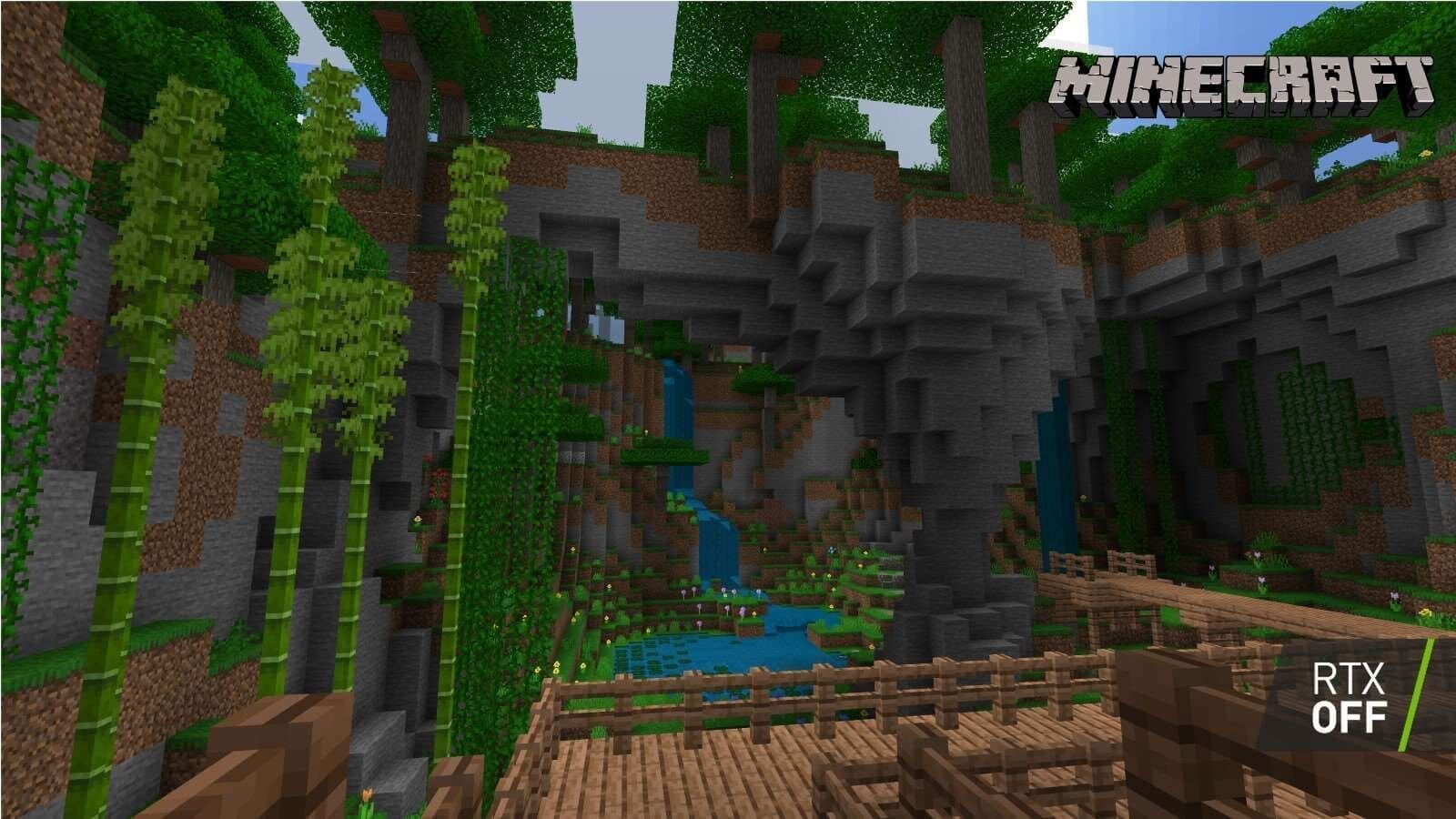
There’s no way around how wrong I was—I was blown away. I played nearly 20 minutes across two maps built to show off RTX. Luckily, I don’t need to explain how good it looks; I can just show you.
Check out this gameplay I captured of Minecraft with ray-traced lighting and reflections:
Even if you don’t fully understand RTX, it’s impossible not to see the impact in that video.
Before my session, Brian Burke and John Gillooly from NVIDIA presented a clear, engaging breakdown of RTX—some of which I knew, and some I didn’t. I’d honestly recommend NVIDIA let those two record something similar to post online.
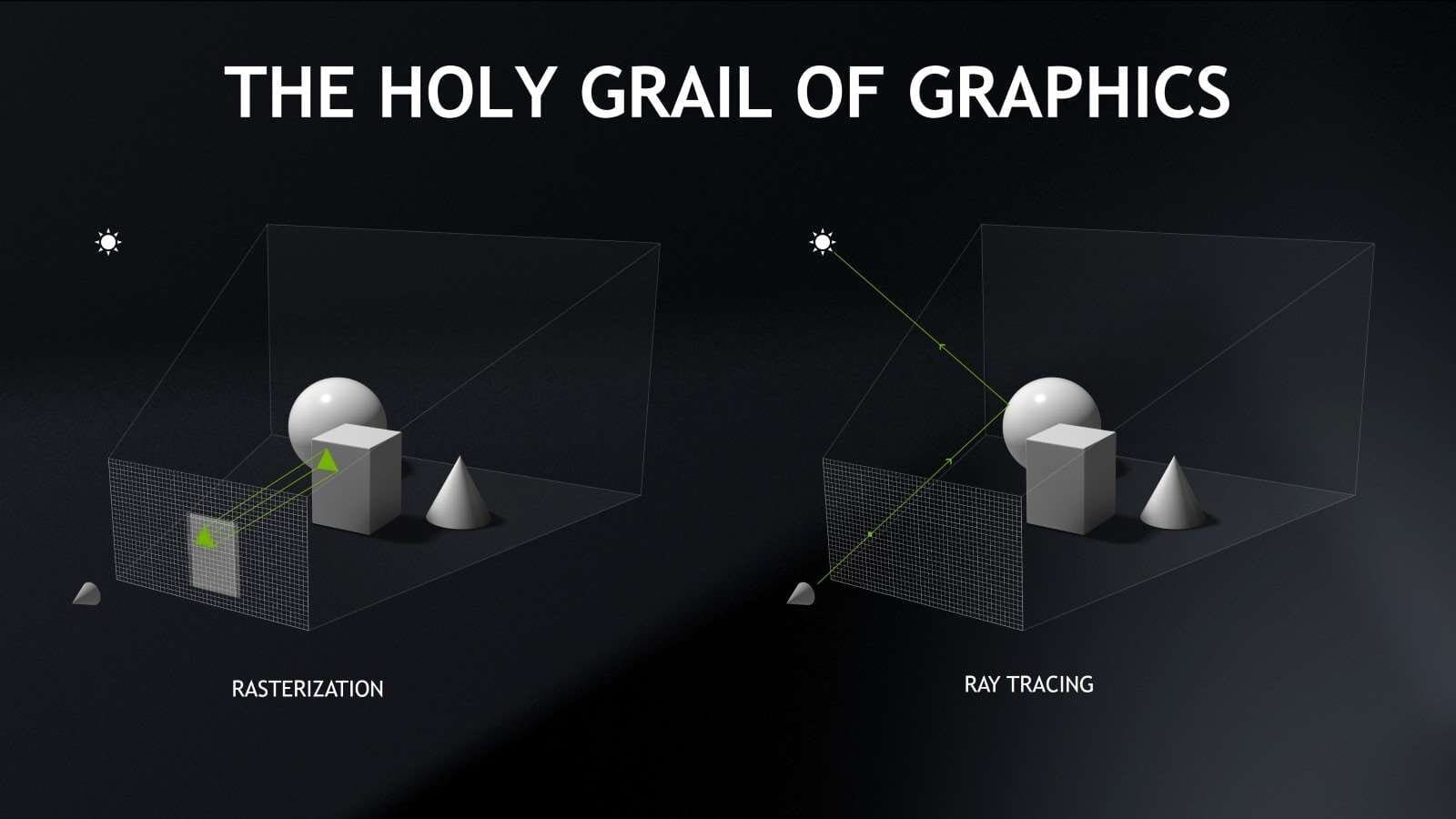
Video games have long used “fake” lighting. Real-time ray tracing brings physically based lighting to games for the first time. Previously, shadows or J.J. Abrams–inspired lens flares were authored and faked through clever tricks. RTX changes that with dedicated hardware on the GPU for ray tracing.

The industry has wanted real-time ray tracing for years, but it was too demanding. It still requires strong hardware to hit good frame rates and resolutions. Battlefield V showcased the tech early but had a bumpy launch. Then Control arrived, clearly built with RTX in mind by Remedy. The Twitter account Erika Tschinkel is worth a follow for gorgeous RTX-ON shots of Control that highlight its lighting and reflections.

As we head toward 2020 and you’re scanning PS5, Project Scarlett, and GPU news for the right buzzwords, pay attention to ray tracing, not 8K.
After playing Minecraft and Control with RTX ON, it’s hard to go back—it feels like playing an inferior version. I’d happily upgrade to an RTX 2080 today if I could; ray tracing is worth it, and NVIDIA’s RTX tech blew me away. With Minecraft of all things!