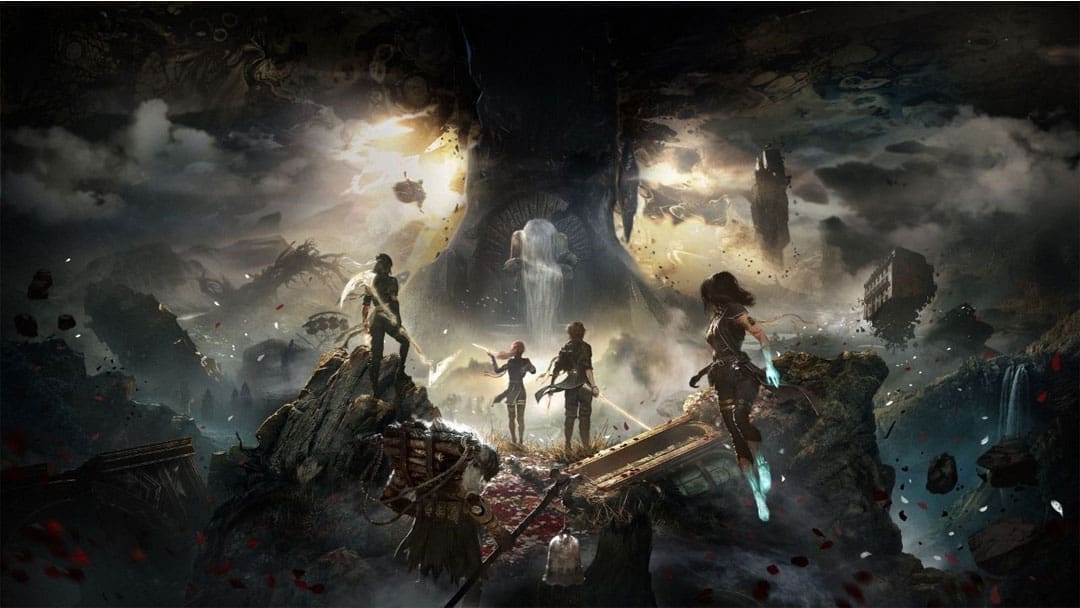
Clair Obscur: Expedition 33 is both one of the biggest mouthful titles not to come out of Japan, and also one of the most interesting turn-based RPGs not to come out of Japan. With French studio Sandfall Interactive, fully embracing its unique creation, a dark-fantasy world inspired by the Belle Époque period, an RPG system flashy in nature, but requiring your hands to be as fast on the controller as a Souls-like game. This is a truly unique ensemble of pieces with a narrative that paints its final canvas in a remarkably shocking finale.
In this world, a mysterious figure known only as ‘The Paintress’ performs ‘the Gommage’ once every year—and a quick Google told me that’s the French word for exfoliation or scrub—where everyone at or above a certain age dies as The Paintress places a new number on the looming tower in the distance. For 67 years, an expedition has headed out to stop The Paintress, but none have prevailed. Slowly, all humans are dying, and now being in your 30s is as close to death as you can get.
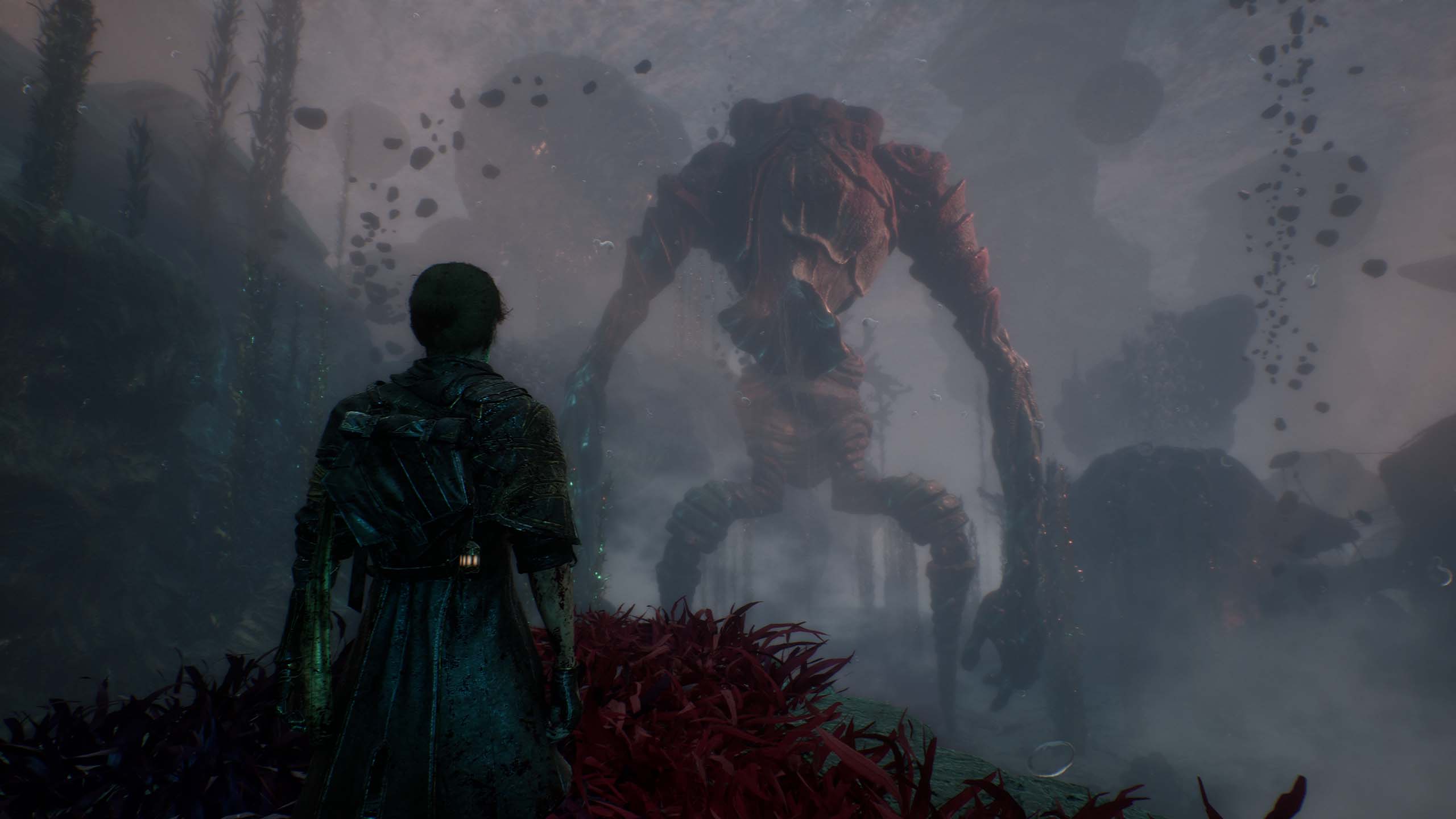
The game begins with engineer Gustave, his orphan sister Maelle, Lune, a pathfinder, Sciel, a teacher, all heading out as part of ‘Expedition 33,’ which ends very quickly with a lot of death and the separation of the party. Gustave learns soon that what they may have known about the mysteries beyond their home of Luminere very but small bi-lines in a book beyond their wildest dreams and what’s out here, along with the Paintress in the distance, are many mysterious creatures like Gestrals, odd creatures who escape the touch of the Paintress, and monsters of all types of strange flavours and design.
Combat in Clair Obscur: Expedition 33 is one built upon the classic turn-based Final Fantasy games, while embracing the flashy UI of Persona 5 and introducing an important blocking and counter system that you’d expect to find in an action game like the Soulsborne series. Each character you add to your party works slightly differently, Gustave being the simplest as he can build charges as he attacks and then release an ‘Overcharge.’ Lune gathers ‘stains’ for using different magic that can change how magic spells work; Maelle switches stances between attacks, playing something like the Yakuza series’ Kazuma Kiryu; Sciel’s abilities change depending on how she interacts with her deck of Sun and Moon cards. However, the game is less interested in your mastery of these character systems than in your ability to counter and dodge correctly.
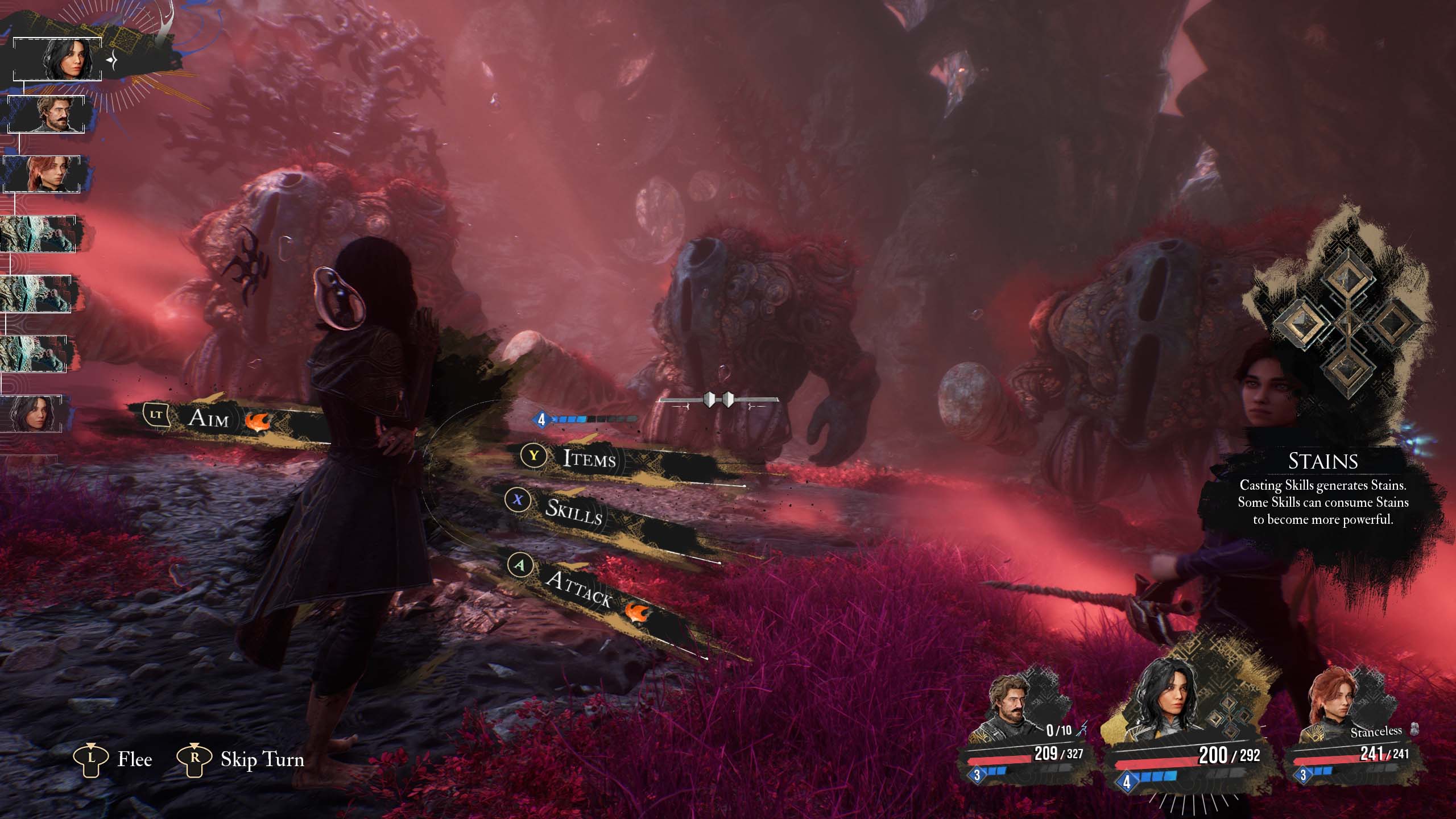
During the enemy’s turns, you’ll be able to parry each attack, and parrying each attack in a string of attacks will deal massive damage back to your opponent, charging up your magic-bar equivalent to use on your next turn. This system will be the make-or-break for some players as it becomes obvious very early that being able to counter, or at least dodge is the most integral part of succesful combat, and a system some players, especially those who only play turn-based RPGs might not have a lot of practice with; it doesn’t matter how good your character-build is, or if you’ve spent time to find some great weapons, if you get hit every attack you’re nearly bound to lose that fight, especially agasint the major boss fights. The game gives an audio cue as to when attacks are coming, but visually, it’s left up to you to track and learn the enemies’ attacks. And with how flashy some of the fights get, involving camera movements, you’ll often need to die to learn the pacing of a fight in order to counter the moves correctly.
To counteract the need to block and dodge, you are free to spend as many skill points as you have on upskilling your team in nothing but health and defence points and run-full-tank, as boring as a proposition as that is. When you’re able to build your team effectively and counter most attacks in a battle, you’ll find the gameplay a lot more exciting and fulfilling. Unfortunately, there aren’t any accessibility options here, other than turning off QTEs for your attacks to help players who may want to focus on the story.
‘Pictos’ are the second most integral system in Clair Obscur: Expedition 33 for successful combat. Each character can have three equipped at a time, adding bonus stats or abilities. But most importantly, if you win five fights with one equipped, you can now equip that Picto’s ability to your whole team using ‘Luminas’ points. Skills that allow you to gain health back on attacks or parries at critical times, and those that allow you to dismiss charm attacks, became lifesavers for me in certain sections of the game.
Exploring this dark fantasy world, which is as bleak as possible, is an eye-opening experience of what kind of stories and creations we’re missing in the industry. This is a very French game, and not at all to fault. I’ve never seen anything like the world and characters within Clair Obscur: Expedition 33. The music, too, is sensational, with Lorné Testard delivering a soundtrack that I doubt could be topped this year. Employing the super-French themes, songs like Lumiere play into the epicness of Une Vie A T’aimer. Then there’s the banger of a bass-burner that is Monoco, which is too good to be only used once in the game, but that’s true for a few of the songs you’ll hear in Clair Obscur: Expedition 33.
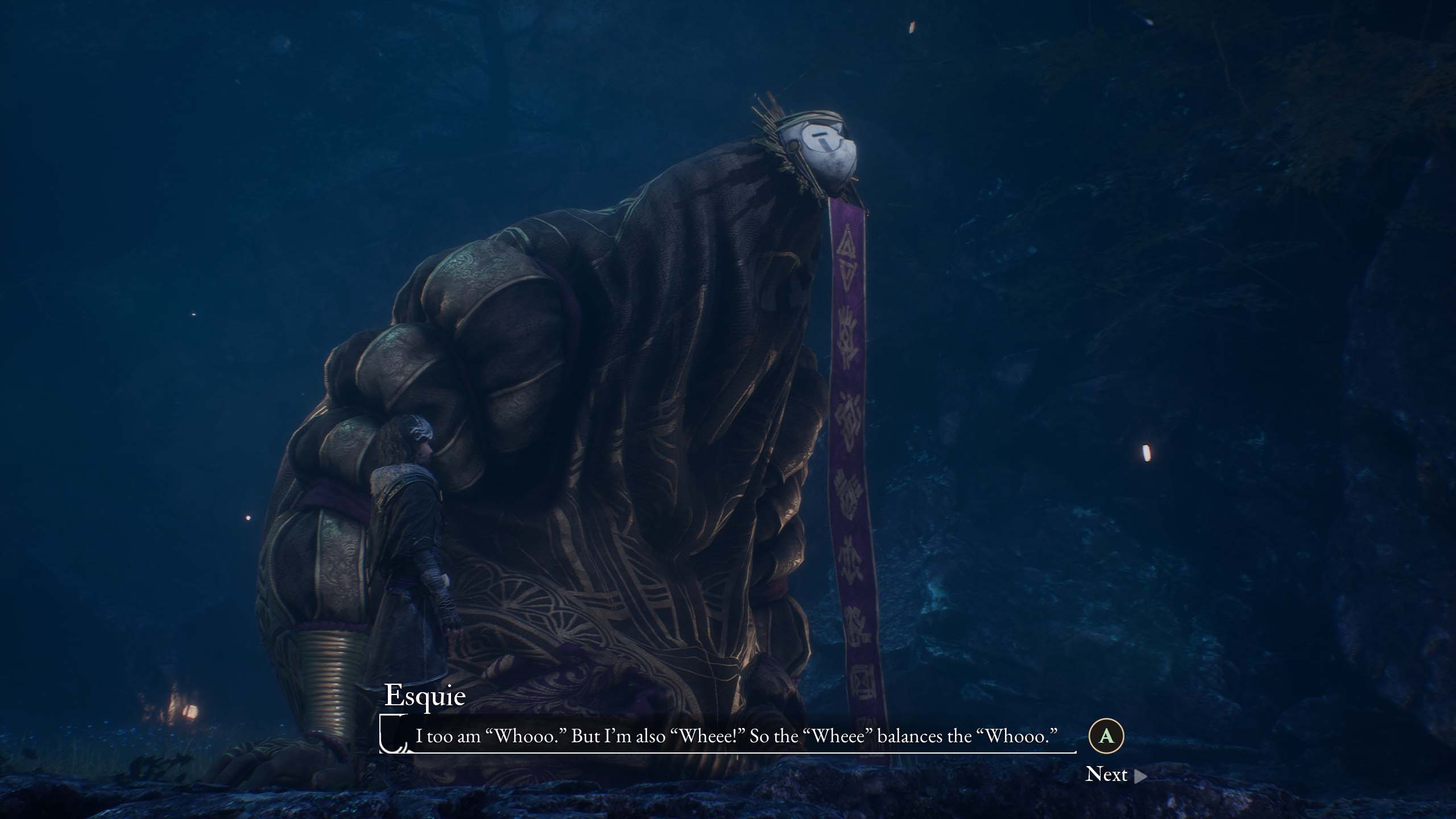
The team at Sandfall Interactive got some strong voice talent to play the main cast here, including Charlie Cox (Marvel’s Daredevil), Ben Starr (Final Fantasy XVI) and even Mo-Cap legend, Andy Serkis (The Lord of the Rings). The animation work on syncing their performances to the mo-cap actors who played the characters left a little to be desired; however, with some cut-scenes being worse than others, with the lip-syncing being clearly out of whack for what was being performed, and then the English voice acting. It did make me wonder, even if the English voice cast had the big names attached, if I would have been better off playing the game in French.
Clair Obscur: Expedition 33’s narrative plays out over several acts, all ending with a massive reveal or twist on what you’d have expected. When I finished Clair Obscur: Expedition 33, I spent at least 30 minutes just staring at my screen, trying to process what I’d just finished, with themes I hadn’t come to expect when I initially pressed start game. Even as convoluted as the opening thirty minutes may be, that’s simple compared to what unravels over your next 20-30 hours in seeing the core story beats through to the finish, an ending with a choice that’s far from simple to make.
(Review code provided to Explosion Network.
Read about our review and ethics policy here.)