Explosion Network may receive a commission when you purchase something via a link on our site
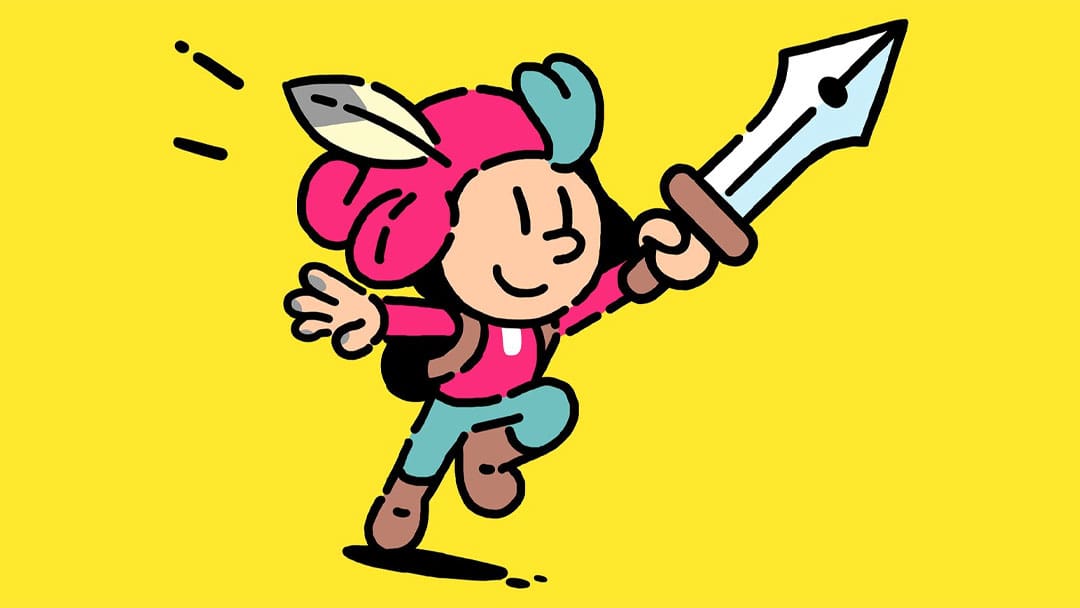
The first time The Plucky Squire released a trailer, I saw the lead character, Jot, being thrown from his storybook home to a child’s desk. It made me think, “Oh, why hasn’t anyone done this yet?” Within the full game, it made me still sit back and just appreciate how it’s such a simple yet exciting idea. But this simple appreciation of storytelling and how video games can be used to tell stories in a way other mediums can’t stand as the backbone to The Plucky Squire, a magical journey from start to finish that hooked me from page to page.
A fun twist turns a typical storybook adventure on its head when Humgrump, the evil wizard in a children’s book called The Plucky Squire, realises he’s within a book and will never beat Jot. He’s going to take things into his own hands and break the narrative. It’s very meta, but this leads to Jot, the titular Plucky Squire, being thrown from the book and onto the desk of the child who owns it. This initial sequence feels lovely, and Jot moves from the 2D plane of the book to a 3D world seamlessly.
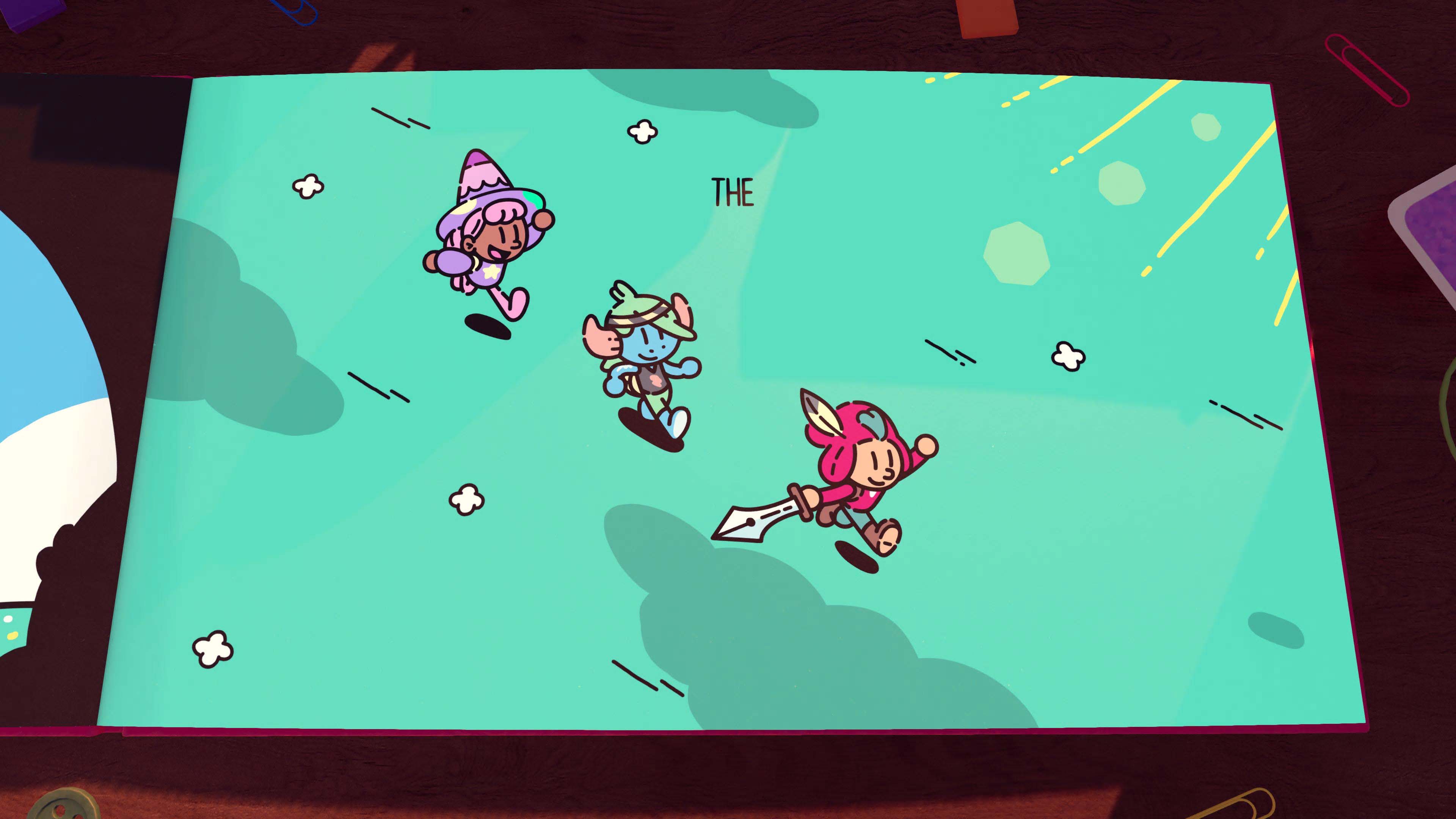
After meeting all the key characters, which include Thrash, a mountain Troll and drummer; Violet, a trainee witch and artist; Pip, a mouse side-kick Moonbeard, the wise sorcerer and also training DJ; and a literal Book Worm that helps Jot when he’s moving around the 3D world, the mission to put a stop the Humgrump is in full effect. But it’s all not just to return Jot and their friends to their usual world and stars of their own world; it’s to protect the real world as it’s explained that if Humgrump takes over the book, it could affect the kid who owns the book as well, and change how he grows up.
Inside the book, the world of Mojo exists, and it’s here where you’ll spend the majority of the game. Jot has a sword and roll, and as the game progresses, he gets access to a spinning and sword-throwing attack. He’s very heavily inspired by Link, and these parts of the game feel like a classic 2D Zelda adventure. But there, Link would have to rely on his reality to solve puzzles; Jot has access to the 3D world, manipulation of the book, and ways to move around words on the page. The earliest example of this is where you’ll have to remove “the gate was closed” and change it to read “the gate was open.” You find the alternative words in other sentences either on the page your own or others. There are some fun hidden things tied to trophies in the game that you can explore, but this isn’t anything like Scribblenauts, where you’re throwing replacement words to sentences to see how it’ll affect the world. It’s just a new way of doing puzzles.
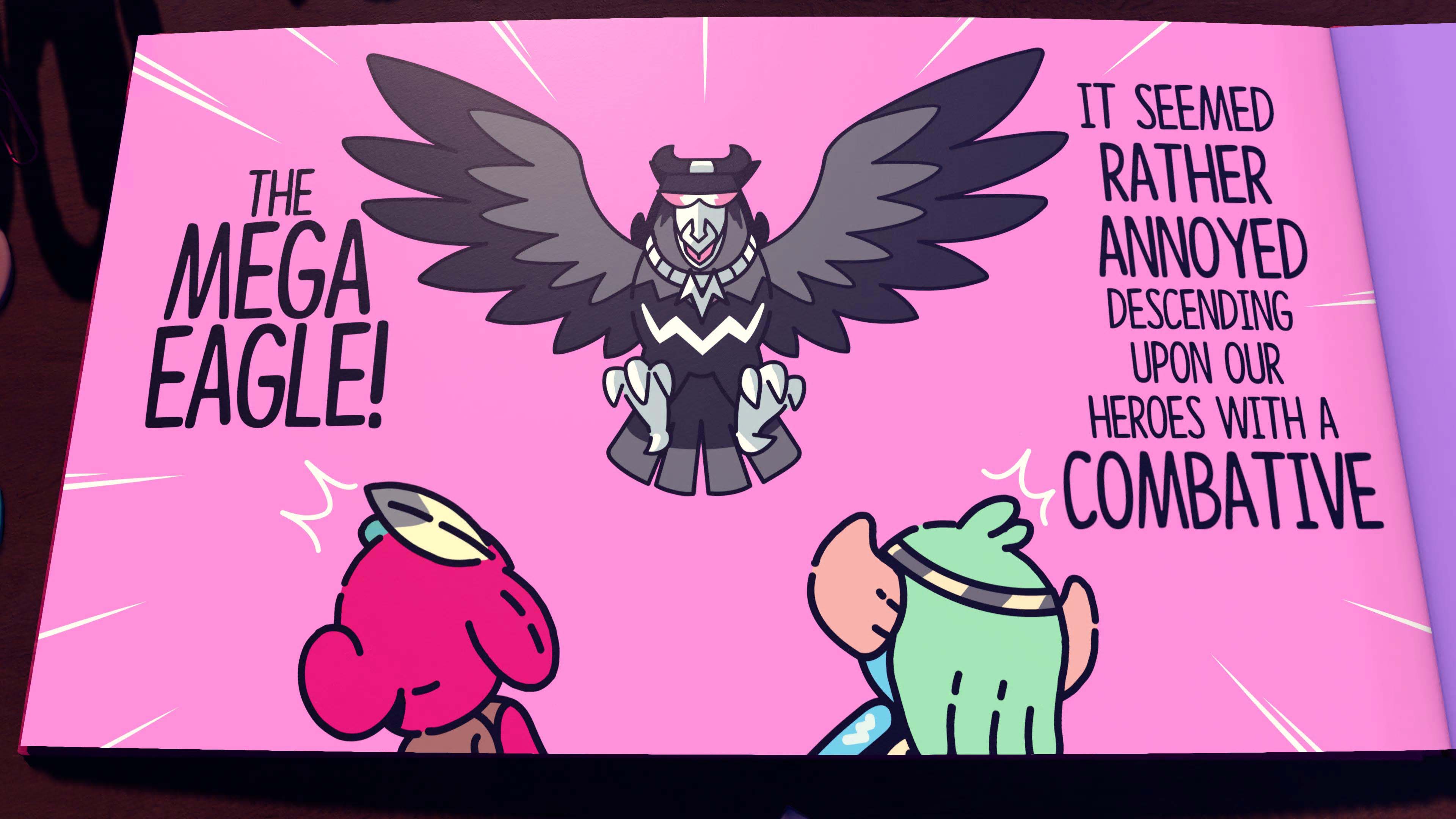
Unlike a Zelda game, where Jot would get more gadgets to help him defeat bosses or take on and solve puzzles, Jot gets stamps and new abilities that help him change the world from the real world. A bomb stamp helps Jot blow open new ways to move forward when blocked by the pesky narrative on the page, and a stamp to stop objects on the page allows Jot and friends to move past spinning blades that would usually be impassable. Jot can also move back and forth from pages as he needs and eventually tilt the book. Some puzzles might not have the words Jot needs on that page, so he needs to flick back a few to find one he’d used previously and carry it back to where he is now. Other times, a block might need to be moved, but it’s too heavy for even all of Jot’s friends, so tilting the book pages helps manipulate the world of Mojo for the hero.
Each newly introduced mechanic keeps things exciting and raises the challenge of solving how Humpgrump tries to hamper Jot’s mission. Though I will say I was expecting the final chapter, or boss fights to test how well the player has mastered these skills, that moment never came, which felt like a missed opportunity.
Another missed opportunity is how the game doesn’t build upon its connective fabric between the other worlds that Jot can travel to and interact with outside the book. One early chapter, which I discussed in my preview of the game, sees Jot need a bow to take on flying enemies, and since his book doesn’t have one, he gets one from an Elf character in a card that Magic: The Gathering very obviously inspires. I love this and had been hoping for more, and although technically there are some, they aren’t anywhere near as imaginative as that moment.
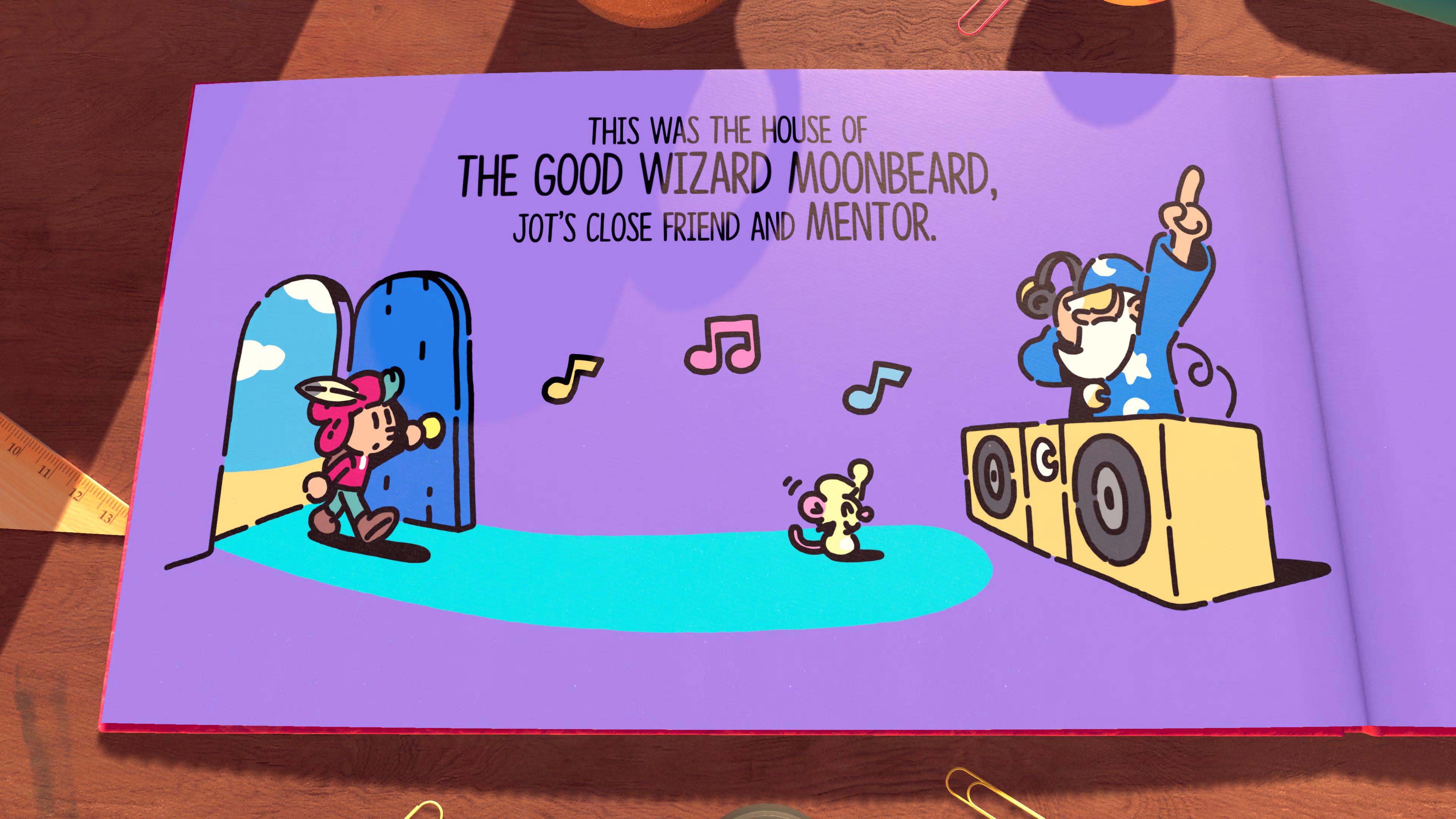
Exploring the world of Mojo is a bright and wonderful experience that mimics the feeling of discovering a picture book as a child as you move from each new page. Jumping in and out of the book to solve puzzles and interact with things on the desk filled me with a sense of wonderment, and I thought this was the sort of game that, although it feels like parts of things I’ve played before, feels all the same unique. As the game throws new ideas and concepts at you every few pages, it’s a testament to what I’d assume is a mantra from the new developer, All Possible Futures, to say that anything is possible.
(Review code provided to Explosion Network.
Read about our review and ethics policy here.)