Bleeding Edge Beta: 10 Things We Learned
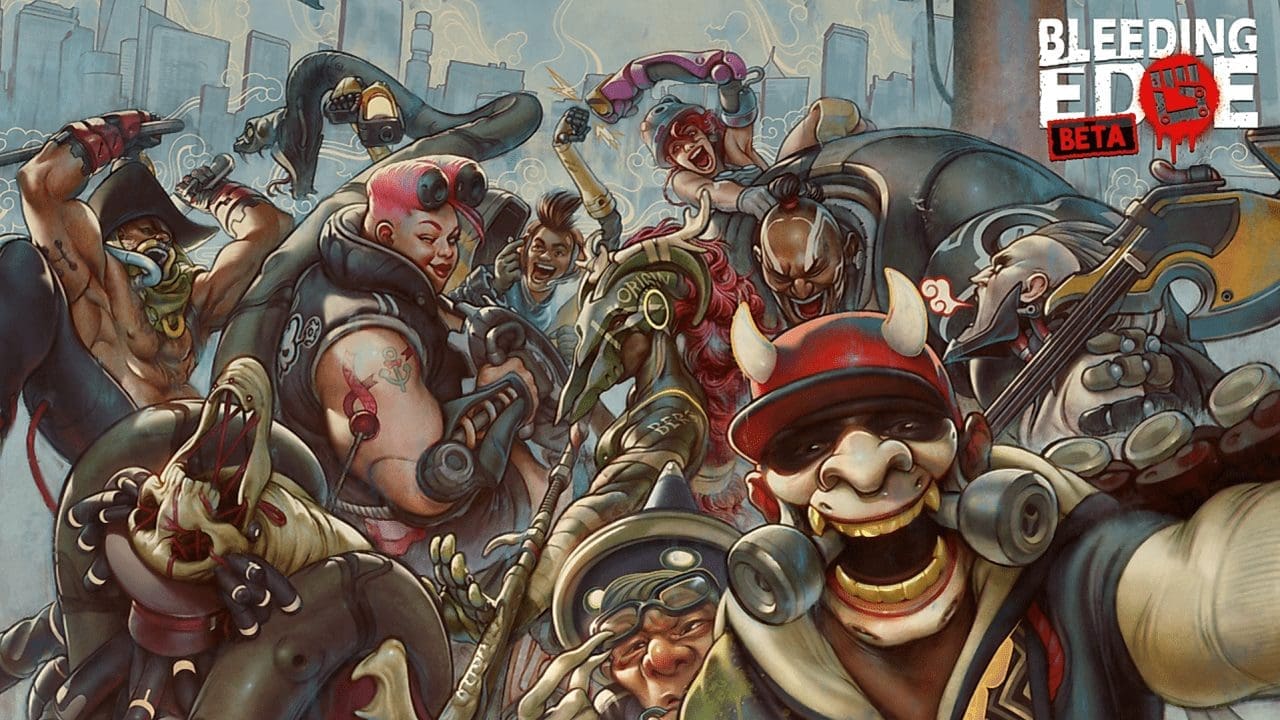
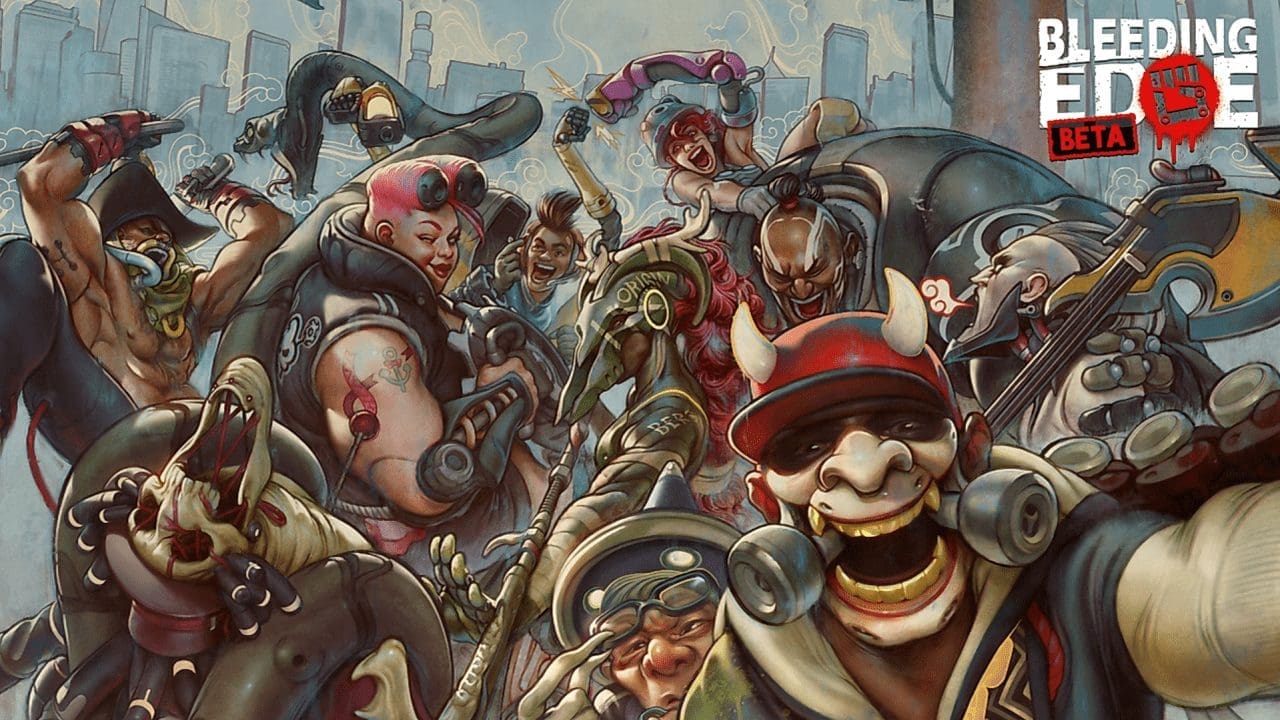
Ninja Theory’s 4v4 melee brawler has style—and some early balance quirks. After a weekend in the beta, here are the biggest takeaways to help you win more matches (and have more fun).
TL;DR
- Tanks slap too hard right now; expect balance tweaks.
- Group up—solo plays get punished… except in Energy Collection.
- Mods + ult choices dramatically change a hero’s feel.
- Use the Dojo, switch heroes mid-match, and mount more.
- Map awareness and crowd control decide fights.
-
Tanks are overtuned
Roles are split into Tank, Damage, and Support, but in the current beta tanks output high damage and have strong mobility. In a melee-first game, that lets them run down supposedly nimbler picks and secure kills too reliably. It’s a beta—expect tuning so teams don’t just stack tanks.
-
Teamwork really is everything
Because crowd control (stuns, traps, cages—hi, Maeve) is plentiful, 1v2s melt fast. Move as a pack, layer CC, and focus targets. The team that groups up snowballs fights—and objectives—quickly.
-
…Unless you’re playing Energy Collection
This mode currently rewards lone-wolf objective play. Players can stealth (e.g., Daemon) to hoard and deposit cells while ignoring team fights. It’s a valid strategy, but it cuts against the otherwise team-centric design and may see adjustments.
-
Find (and build for) your playstyle
Every hero has two very different ultimates and a set of unlockable mods (equip three) that reshape cooldowns, survivability, and combos. Two players on the same hero can feel wildly different. Read your mod lists and tailor builds to how you like to engage.
-
Don’t fear the “Advanced” tag
Kulev and Cass are flagged as Advanced, but they’re everywhere—and viable. Cass is squishy; Kulev has dash limits; both are manageable once you learn their risk windows. The mechanical curve here is gentle—experiment freely.
-
Spend time in the Dojo
The training area is great for discovering tech the tutorial skips: aerial strings, movement chains, ultimate visuals, and ability interactions. Ten minutes per hero in Dojo saves ten losses later.
-
Stuck? Switch heroes
If you’re feeding or your kit isn’t matching the flow, swap. A single hero change (more peel, more sustain, more anti-dive) can flip objective fights. Use doomed games to test counters instead of rage-quitting.
-
Use your mount more
Maps are large, unlock timings are tight, and all heroes share base run speed. The second or two to mount is paid back quickly—hit rotations, back-cap, or arrive in time to contest. Small habit, big impact.
-
Live on the minimap
Enemies only appear when seen, but objectives telegraph movements. In Energy Collection, watch canister dots vanish to trace routes. In capture modes, note that points go light grey just before they unlock—rotate early and cover sneaks.
-
Respect crowd control windows
CC wins brawls. Track enemy stuns, cages, and knockups; bait them, then engage. Save your dashes for escape, not chase, and layer your team’s CC instead of overlapping it. If you have cleanse/escape tools, hold them for the first lock—survive that, and you usually win the trade.
What’s next? Some of these systems will likely shift in the next beta and at launch, but the fundamentals—grouping, rotating smartly, and building to your playstyle—will keep paying off.
Stay tuned to Explosion Network for more Bleeding Edge coverage.