
Demeo PS VR2 & PS5 Review – Tabletop RPG comes to life in VR
<p class="">With Demeo providing a way for friends to gather around a table virtually and play a simplistic RPG adventure, it provides a social experience players might not be able to get elsewhere.</p>

Synopsis:
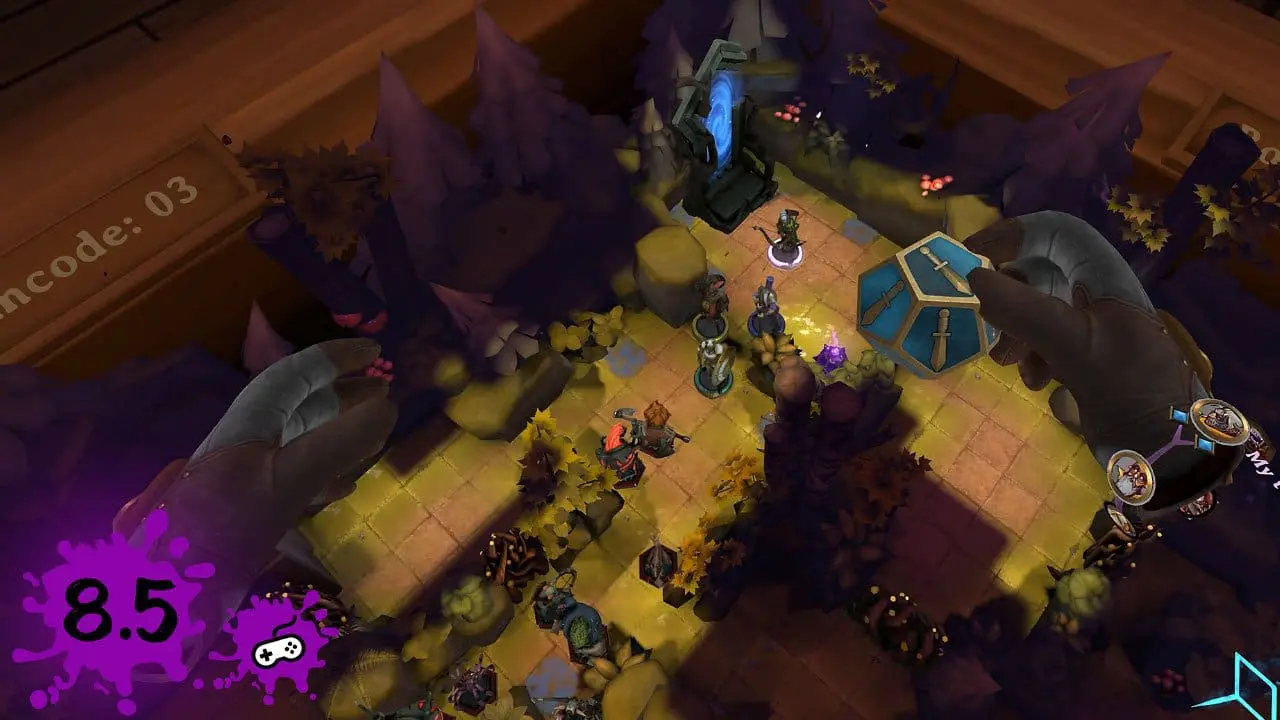
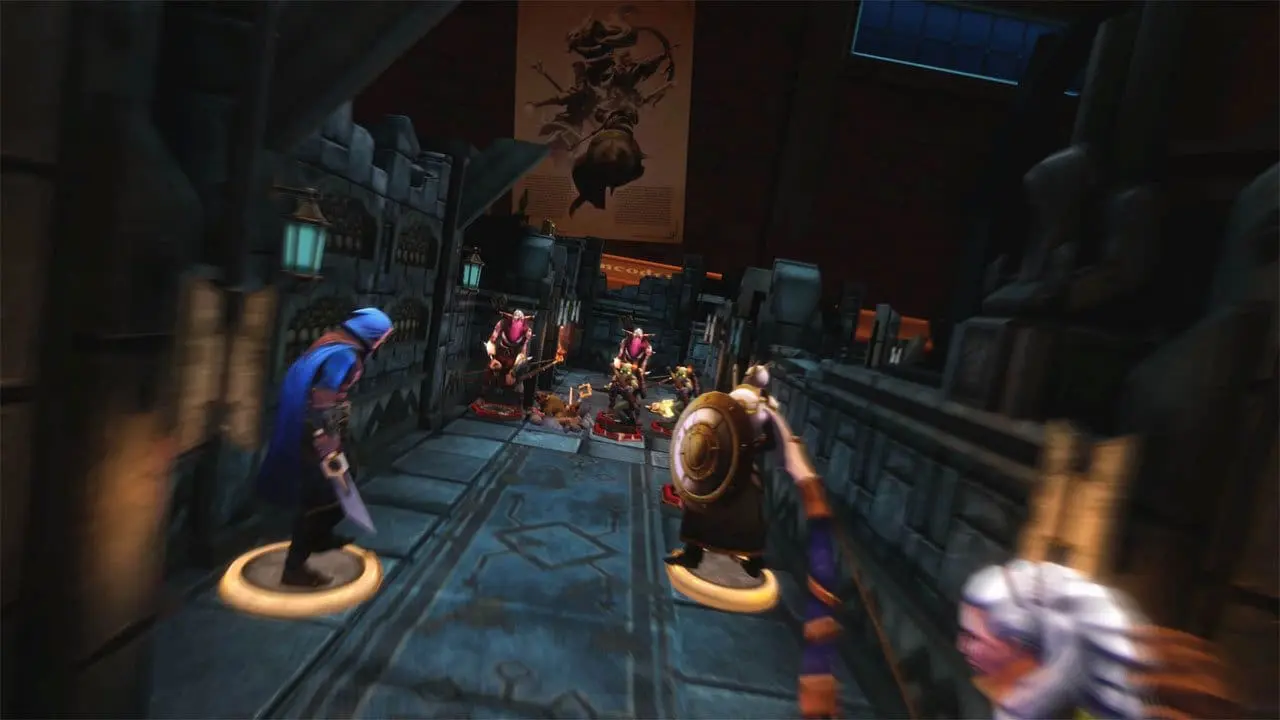
Demeo is a cross-platform cooperative adventure for up to four players that recreates all of the magic and camaraderie of gathering around a tabletop with friends to do battle against the forces of evil.
Reviewed on: PS VR2, PS5
Also available for: Oculus Quest, PC
Developer: Resolution Games
Publisher: Resolution Games
As I continue to work through the launch library of PS VR2 games, there’s something funny about playing Demeo, a game simulating a board game experience, rolling dice and all, compared to that of the flagship Horizon Call of the Mountain. But the greatest thing about virtual reality is we don’t always need to search for big fantastical adventures for the technology to show its worth. With Demeo providing a way for friends to gather around a table virtually and play a simplistic RPG adventure, it provides a social experience players might not be able to get elsewhere. And although I’d love to see a little more depth, Demeo has quickly proven to be one of my favourite things I’ve been playing in the first few of the PS VR2 launch.
There are five different campaigns to play here, with seven different classes of heroes to pick from, including the classic barbarian, an archer, a wizard and more. Picking you’re miniature and campaign, each follows the same basic structure of three stages, with the first two levels of a dungeon/map having an exit doorway, but you need to find the enemy holding the key to escape open it. The third level is a smaller map area but contains the campaign’s boss, from the Rat King to the Serpent Lord. While you can play any of the five campaigns from the outset, they are increasingly more difficult. By playing them in order, you’ll see the progression of environments from castle corridors to forest and sandy dunes.
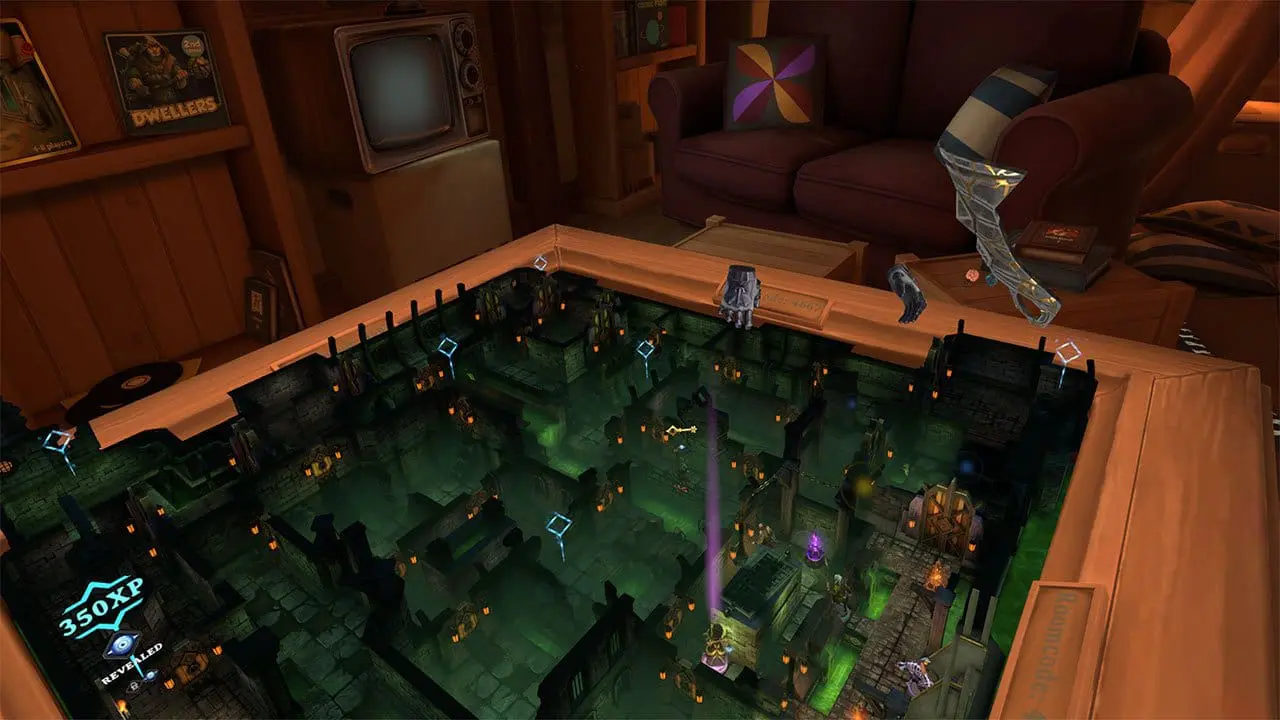
There is the option to play by yourself, where you can venture into a campaign with one character or control four, but it’s the worst way to play the game and not how it is designed to be experienced. Another mode lets you and a friend control two characters each, but when you’re playing with three other players, the true Demeo experience comes to life. Being able to see the masks of other players spying over the board at their pieces and the enemy placement, being able to pick up and throw the die with your virtual hands, and seeing and hearing the frustration of players when their attack roll fails adds a communal aspect to the game not see in the non-VR version of Demeo.
NON-VR EXPERIENCE ON PLAYSTATION 5
Given the purchase of Demeo lets you play it on your TV screen and play on PS VR2, I decided to run through a campaign without the headset on and found it to be a perfectly OK time. The communal aspect mentioned above is lost, the feeling of playing a real-miniature board game forgotten, and in its place is a decent turn-based strategy game with none of the magic.

Demeo is cross-play enabled between the non-VR versions of the game and the PC/PC VR release, so a reason someone may pick up the game without a PS VR2 headset would be to play with friends. And if this is the case, it’s an acceptable reason to buy the guy without PS VR2 access, but I wouldn’t recommend Demeo outside of owning a PS VR2.
Picking up Demeo isn’t hard compared to most miniature board games. Every character has the same two action points they can use per turn, and for the most part, you’ll know what you should be doing as enemies seem to swarm you. Picking up and moving your character is one action, and attacking an enemy is another. Opening a door or chest also counts as one action. All these things are done by simply placing your character piece on the door, chest or enemy. You’ll also get access to cards, which let you use health potions, cast spells like fireballs, or initiate special attacks with your particular character. Opening a chest will give everyone in your team a new card, and after enough enemies have been killed, everyone will earn a new card. Seeing as for many characters outside someone like the Barbarian class, cards will do more damage than basic attacks, you’ll want to search for ways to unlock new cards as best as possible. Sometimes this means throwing a character under the bus as they sacrifice themselves to open a chest and get the rest of the team a card.
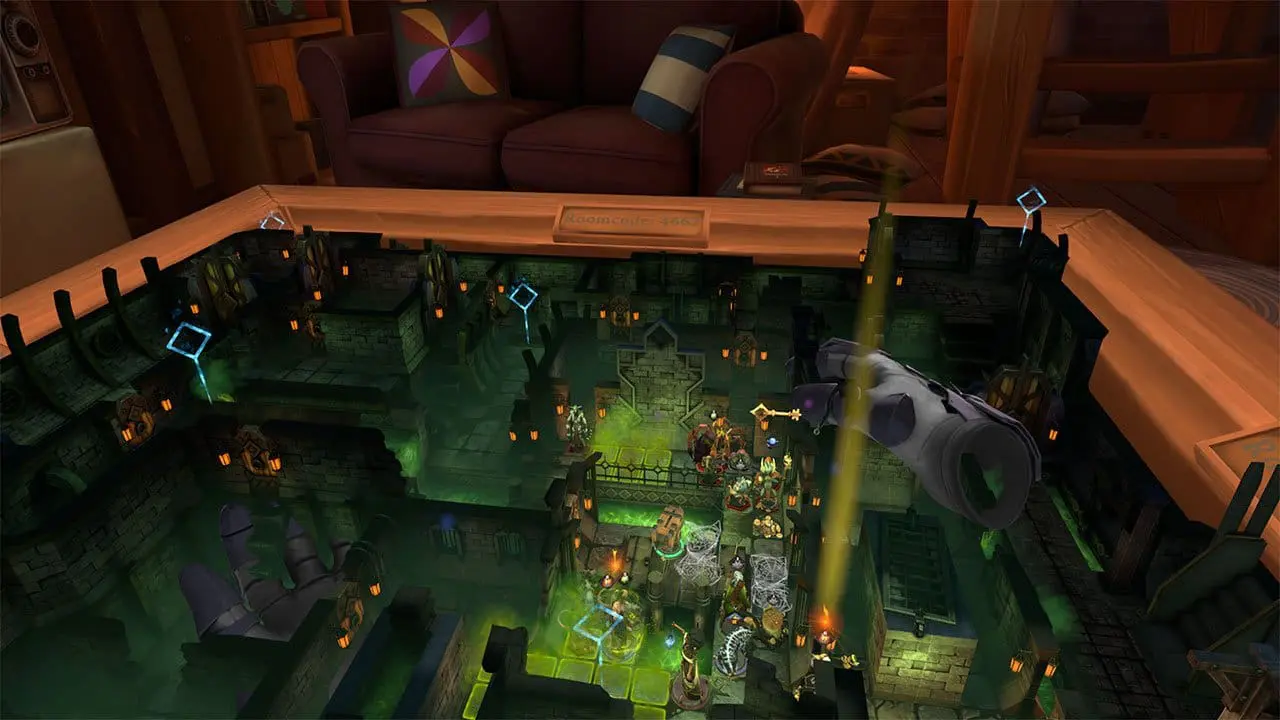
In Demeo, you can start an open campaign, play with a friend only, or jump into a quick-play session and join someone else’s game. For the most part, I’ve found everyone I’ve played with to be accommodating from the PC side, although I was kicked from a session once for attacking a spider nest and not knowing what it would do. When I’ve been playing with anyone on PlayStation, no one knows what they’re doing, so there’s a sense of discovery together. In contrast, the PC crowd have all the weaknesses of enemy types, what to, and what not to do down and memorize. Having someone come in and tell you an item will one-hit an enemy doesn’t feel bad; it’s like the veteran player at your local game store, merrily spreading tricks of the trade, but being kicked from a game for not knowing something doesn’t feel great.
Demeo is brutally hard at times, which may be the cause behind anyone’s frustrations when someone like myself does something wrong in the game. Enemies swarm you constantly, and one wrongly placed or wasted card can quickly tip the sway of things into the monster’s hands. Fortunately, the game is enjoyable, and any losses are a learning experience. You will earn in-game experience also, even if you fail a campaign, which unlocks new cosmetics from costumes for the characters to gloves and masks your VR characters will wear in-game.
Demeo in PS VR2 is a communal board-game experience that’s bound to tickle the love of any current or retired D&D players. As someone from across the world explained to me the other night as we played, they just loved that they could get the combat experience of D&D without having the full-time commitment of the entire campaign. A sentiment that a lot of us with day jobs can get behind.


Dylan Blight
[He/Him] Dylan Blight is the Founder and Editor-in-Chief of Explosion Network, an independent Australian publication covering video games, film, television and pop culture. Since founding Explosion Network in 2017, Dylan has written and produced reviews, news, interviews, features and podcasts across the entertainment industry, while overseeing the publication's editorial direction and content.
MORE FROM DYLAN BLIGHT →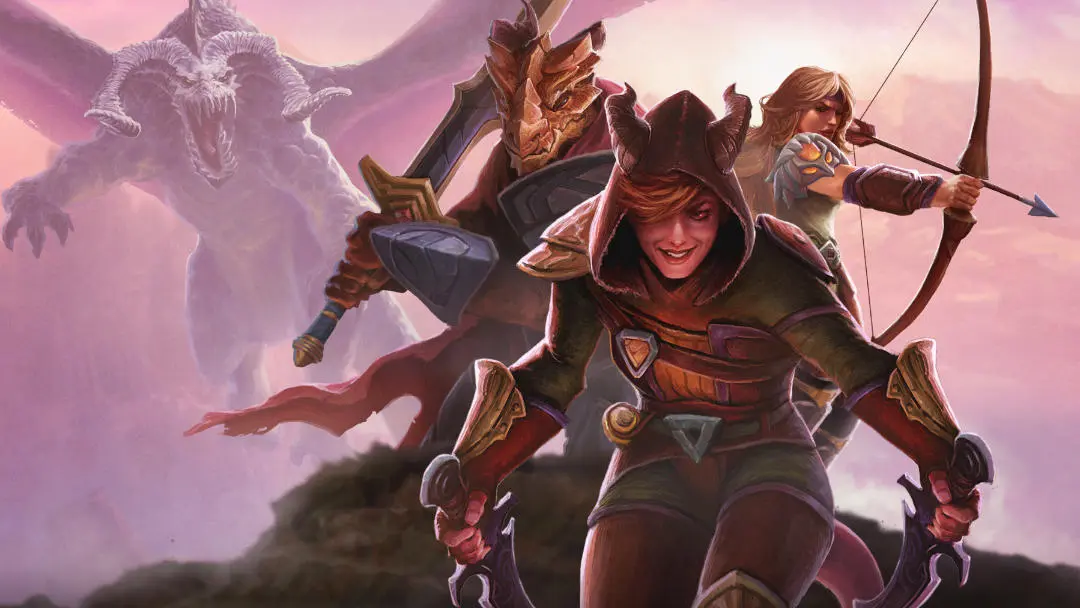


Comments