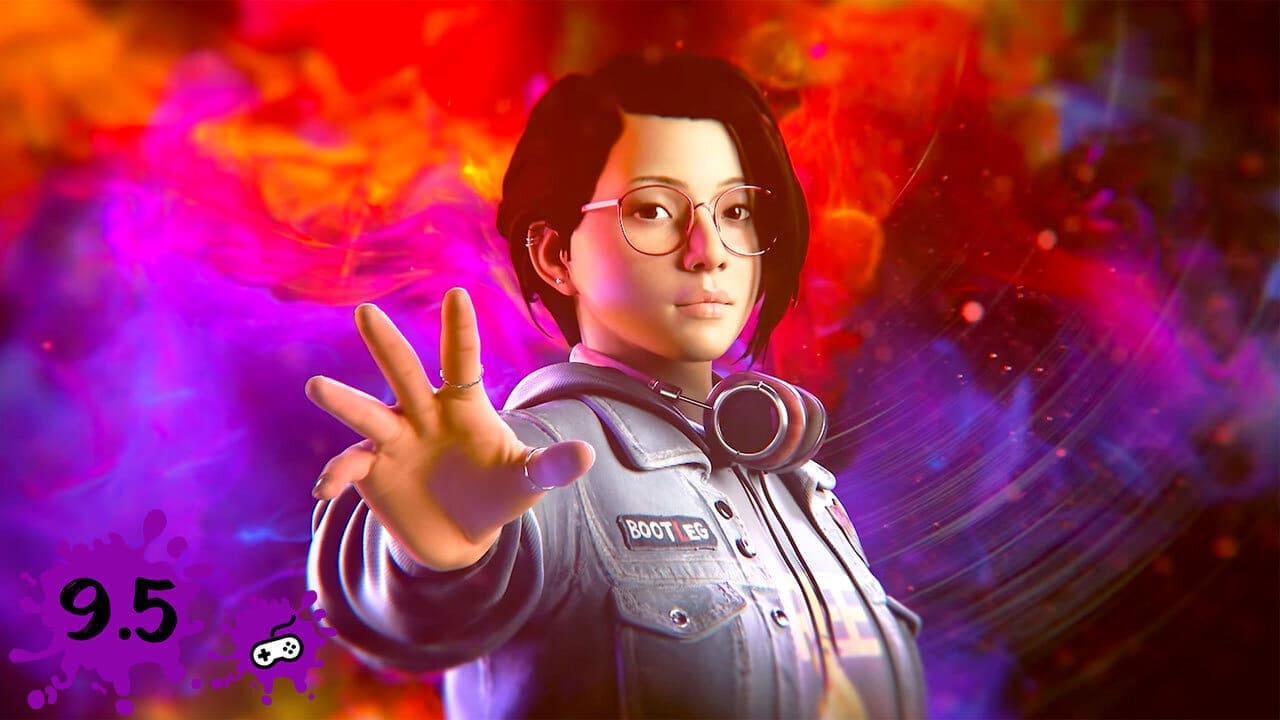
Explosion Network may receive a commission when you purchase something via a link on our site
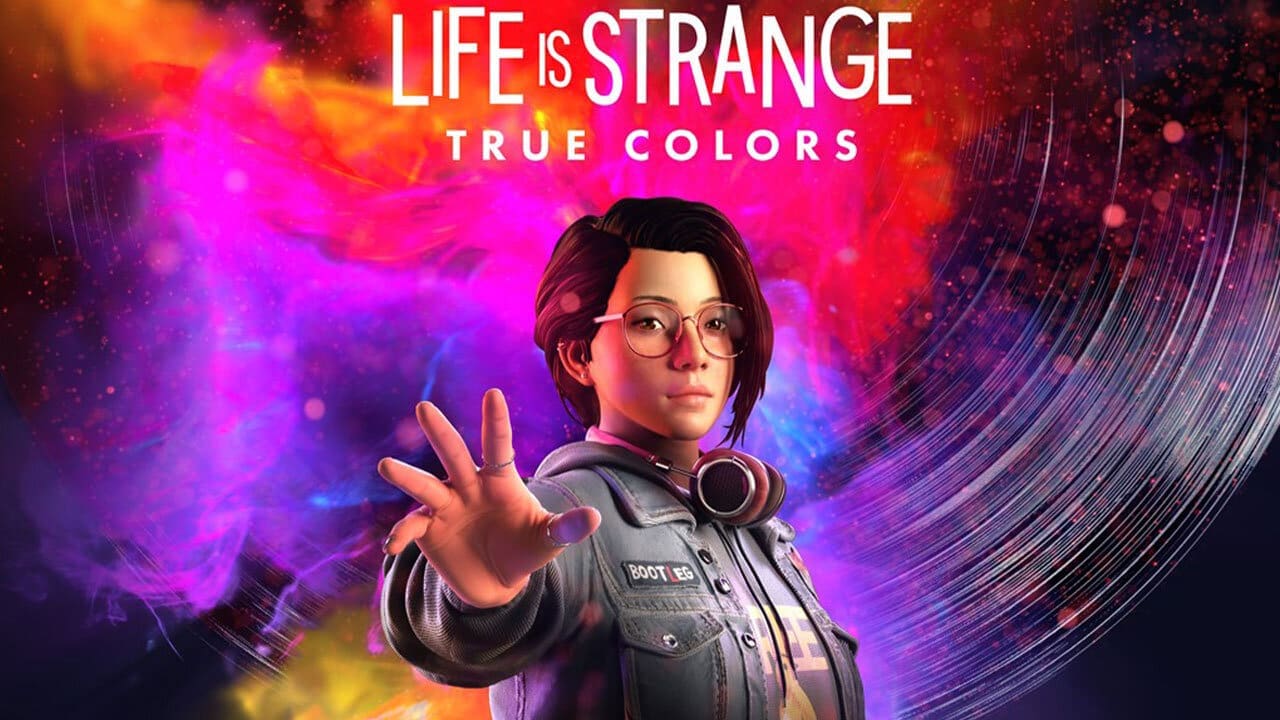
Synopsis:
Alex Chen hides her ‘curse’: the psychic power of Empathy, the ability to absorb the emotions of others. When her brother dies in a so-called accident, Alex must embrace her power to find the truth.
Publisher: Square Enix
Reviewed on: PS5
Also available for: PS4, Xbox One, Xbox Series X|S, PC, Nintendo Switch (later this year)
Cast: Erik Mori, Han Soto, Eric Emery, Katy Bentz, Stephen F. Austin, Exzinia Scott, Ignacio Garcia-Canteli, Danielle Renee Vivarttas, Karen Slack, Dwight Braswell, Anastasia Davidson, Cody Lyman, Jim Hunt, Rachel Darden, Joseph Steven Yang, Christine Liao
Developer: Deck Nine Games
Game Director: Zak Garriss
Performance Director: Webb Pickersgill
Narrative Director: Jonathan Zimmerman
Writers: Felice Kuan (Senior Staff), Ryan Clements (Staff Writer), Mallory Littleton (Staff Witter), Deandra Fallon Warrick (Staff Writer)
Game Designers: Christopher Sica, Chris Floyd
Art Director: Andrew Weatherl
It all started at Blackwell Academy, with a girl named Max Caulfield in 2015 with the first Life is Strange game. Since then, the franchise has found a special place in many people’s gaming collections and continued to grow as a franchise. Now, Life is Strange: True Colors places you in the shoes of Alex Chen as she arrives in the small mining town of Haven and is Alex reunited with her brother Gabe. In so many ways, True Colours returns to the franchise’s roots by reducing the scope of the game from the road trip of Life is Strange 2 to a small town again, which pushes developer Deck Nine to take the franchise to new heights.
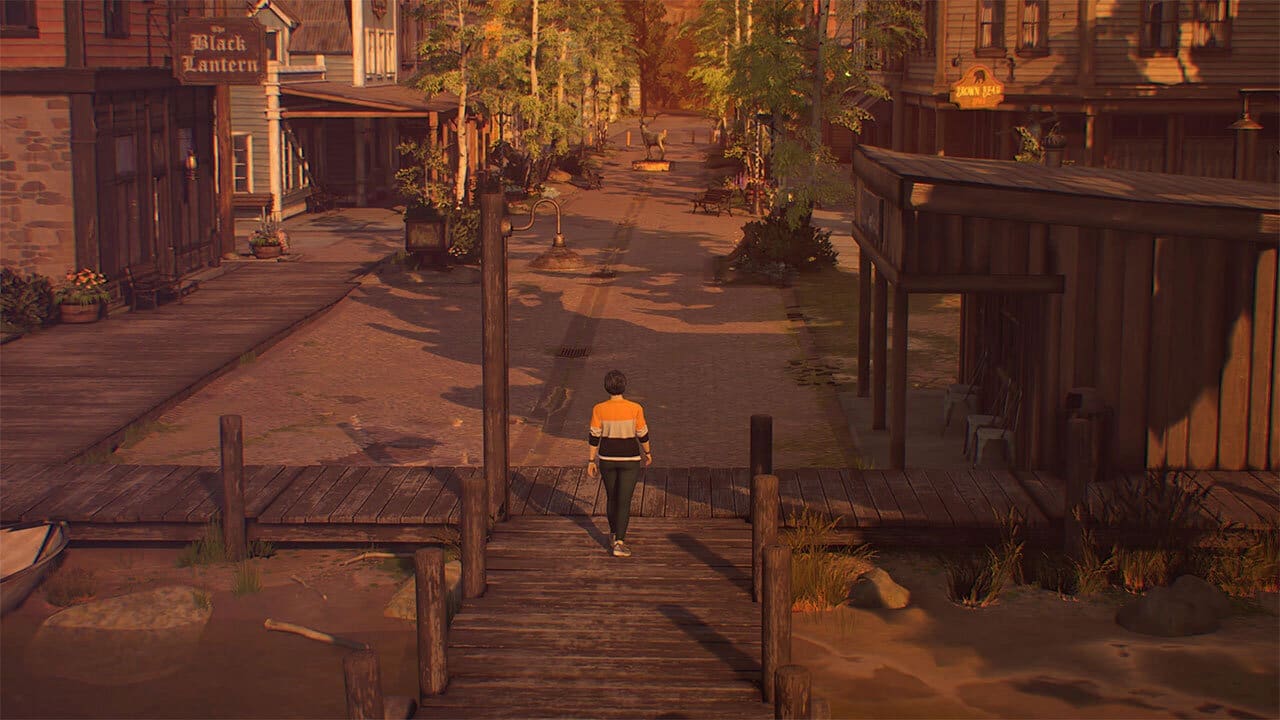
Haven is a charming town that players are given plenty of opportunities to explore through the game’s five chapters. Having Haven as the primary setting means that players are given more time to feel at home within its streets and become accustomed to the people that roam them, which lends itself to Alex’s own story of making the town feel like a home. As with all Life is Strange games, the people truly make the world come alive. From Jed the Black Lantern Tavern owner to Duckie, the local town legend, there are plenty of characters to get to know throughout your stay in Haven. These connections are grown even further than previous games thanks to Alex’s supernatural powers.

Unlike Life is Strange 2, Life is Strange: True Colors puts you back in control of the supernatural abilities. Alex can see the aura around people and key items, revealing their emotions, giving Alex a glimpse into their memories. With this ability, Alex can help people with their problems, giving more insight into your conversations and helping to work through their issues. This power also provides its own narrative questions. Is it right for Alex to be using this power to change people emotions? Is it an invasion of privacy? What are the effects of its use on someone? Some of these questions are presented throughout the game, while others are left to the players own thoughts which is honestly a great touch. Games can often be very heavy-handed with these moral dilemma’s, but Life is Strange: True Colors acknowledges that players can think these decisions through themselves. Alex muses on them through her journal, but it is never truly made a focal point of the story, which some may class as a shortcoming of the writing.
In this more accessible form flow of the game, players are given agency in Alex’s story. Objectives are shown in the game’s social menus of the game. You’ll find many smaller character stories naturally throughout the world, some larger than others which can lead to players having their connections and focal points while roaming the streets of Haven. However, this can also lead to missing characters towards the end of True Colors if you have not strived to find their stories during the previous chapters. One character, in particular, is a large part of the story early, but as I missed their encounters in a later chapter, they just kind of fell off the face of the earth. There was no objective or note to tell me to look for them, just a couple of minor lines of dialogue from characters. It was not until the results screen that follows the completion of each chapter that I realised I had missed this character, and now in some ways, my story feels incomplete. On the other hand, this story does feel like it had been catered for me; I find the beauty of this form of storytelling. One person’s True Colors playthrough could be wholly different from mine, not only from their choices but also from how they review their reasoning behind each of those decisions.
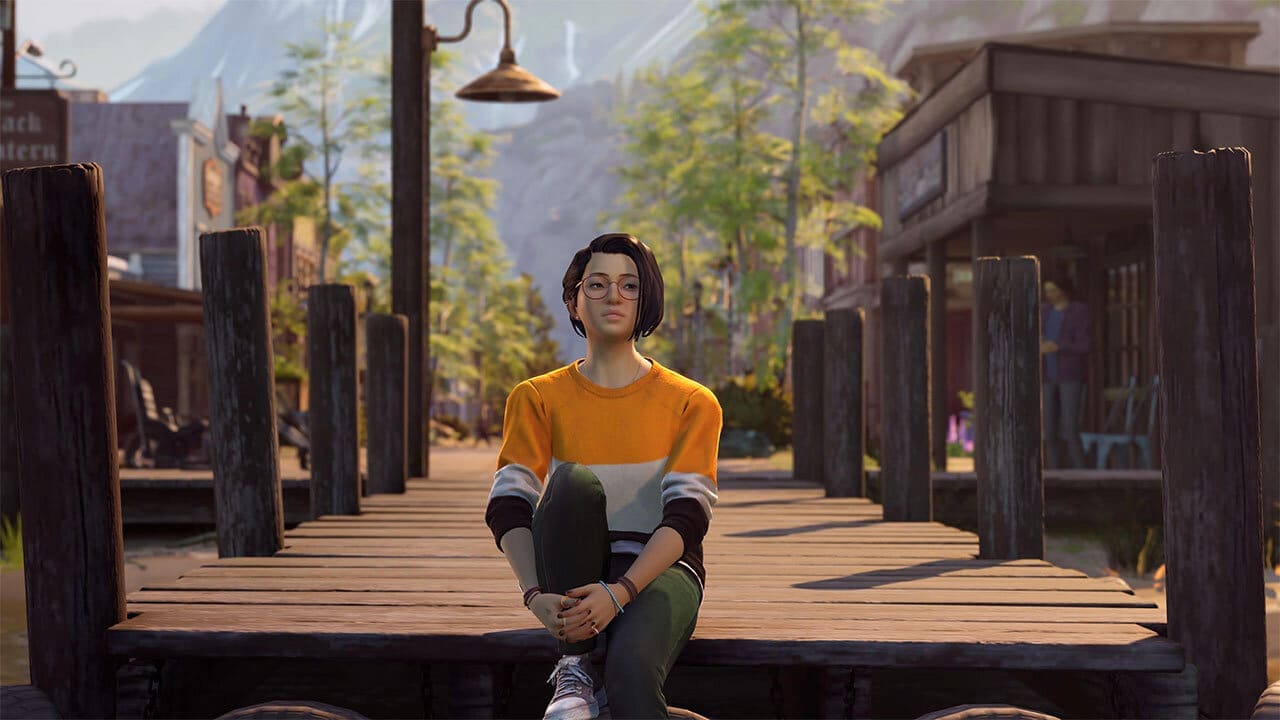
Life is Strange has always had beautiful moments, but I would not say it has always been a beautiful game. At times, character models would look like lifeless dolls, and sceneries were held back by its art design. These are no longer factors with True Colours. Rocky Colorado lends itself to some truly stunning scenery fully captured by its revitalised game design. Locations look realistic and brimming with life; even from a distance, the mountains seem to be alive with the sound of mining. Where True Colors truly takes your breath away, though, is with its character models. A game that focuses on emotions uses these character models to convey those emotions in such subtle ways. While talking to characters, you can read their facial expressions and gain insight into how they are feeling. In the franchise’s iconic still moments, you can read Alex’s face on close up and see where her thoughts are currently lingering without any words. This became an ongoing high point for True Colors throughout its playtime as you look back at its roots in the stiff facial expressions of the original game.
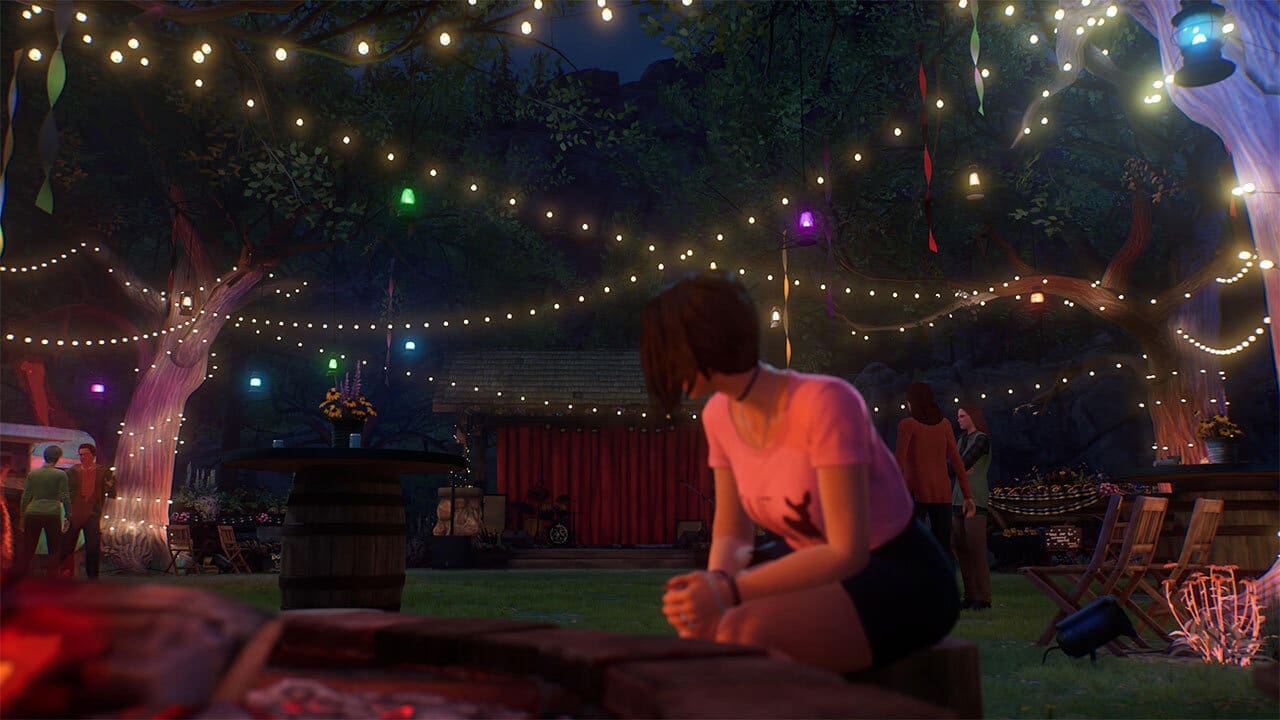
The previous mentioned still moments are a staple of the franchise, but they are made even more incredible by two other key aspects: music and direction. Music has always been one of my favourite aspects of Life is Strange; even now, I’m listening to True Colors soundtrack as I’m writing this review. Music is given an even larger role in Alex’s story because of her love and connection with music. I could count the important pieces of music in previous games on two hands, but in True Colors, I would need several sets of hands to list them all. The musical choices of each moment create what feels like a moment in a bottle. But the direction of the game, and these moments, further enhances the song choices. The cinematic camera shots that Deck Nine chose to appear throughout these moments give plenty of perspectives to a single moment in time; each picture showed the care the team had for this game and led to me screenshotting so many of them without the need of a photo mode.
For the first time in the franchise, all five chapters are being released at once rather than waiting. This choice makes the story feel more tightly knit, and the use of time frames in the world can be portrayed much more quickly. Previously, the break has allowed players to reflect on each chapter individually, but in this instance, reflecting on its entirety at once gives more context to each chapter of the game as a whole. This overall change is new for Life is Strange. However, I believe it is a return to a small setting that has improved True Colors the most.
Life is Strange 2 strove to tell a big political story that was quite heavy-handed in some places. The cross country adventure and changing roster of characters made it hard for players to build connections. This also led to time jumps and events happening between episodes that would disconnect the player. True Colors does have its real-world messages, mainly through the big corporation mining company Typhon, but it never feels forced. True Colors puts its own story first before the message it wants to portray to players, which I don’t think can be said for Life is Strange 2. In True Colors, you have more time to create bonds with the people of Haven and make the small mining town feel like their own home.
Life is Strange: True Colors is a fantastic instalment of the franchise that returns to its roots while striving to push the franchise to become something even better. To be honest, I have not touched on much of the narrative threads of this story as I am so excited to see players experience the game, twists and turns, for themselves. Deck Nine has shown its development and progression through True Colors and its commitment to telling great stories in the best way possible. Alex Chen’s story is one of many within the town of Haven, and although you can miss some of these, every one of them has something we can take from it. This character-based narrative will always make Life is Strange a special franchise, but True Colors goes beyond its predecessors and begins to show what is still yet to come from the team at Deck Nine.