Explosion Network may receive a commission when you purchase something via a link on our site
Synopsis:
Get ready for a new kind of grand, Pokémon adventure in Pokémon™ Legends: Arceus, a new game from Game Freak that blends action and exploration with the RPG roots of the Pokémon series.
3D Graphics Section Director: Takao Unno
Planning Section Director: Yuichi Murase
Publisher: Nintendo, The Pokémon Company
Reviewed on: Nintendo Switch (OLED Model)
Also available for: N/A
Cast: Tamaki Fujii, Tatsuya Katonoa
Developer: Game Freak
Director: Kazumasa Iwao
Writers: Toshinobu Matsumiya, Yuichi Murase, Yuya Watanabe, Tatsuya Yamashita, Aoi Tagawa, Kota Yamashita, Yuta Hayashi
CG Director: Haruka Tochigi
Programming Section Director: Masayuki Onoue
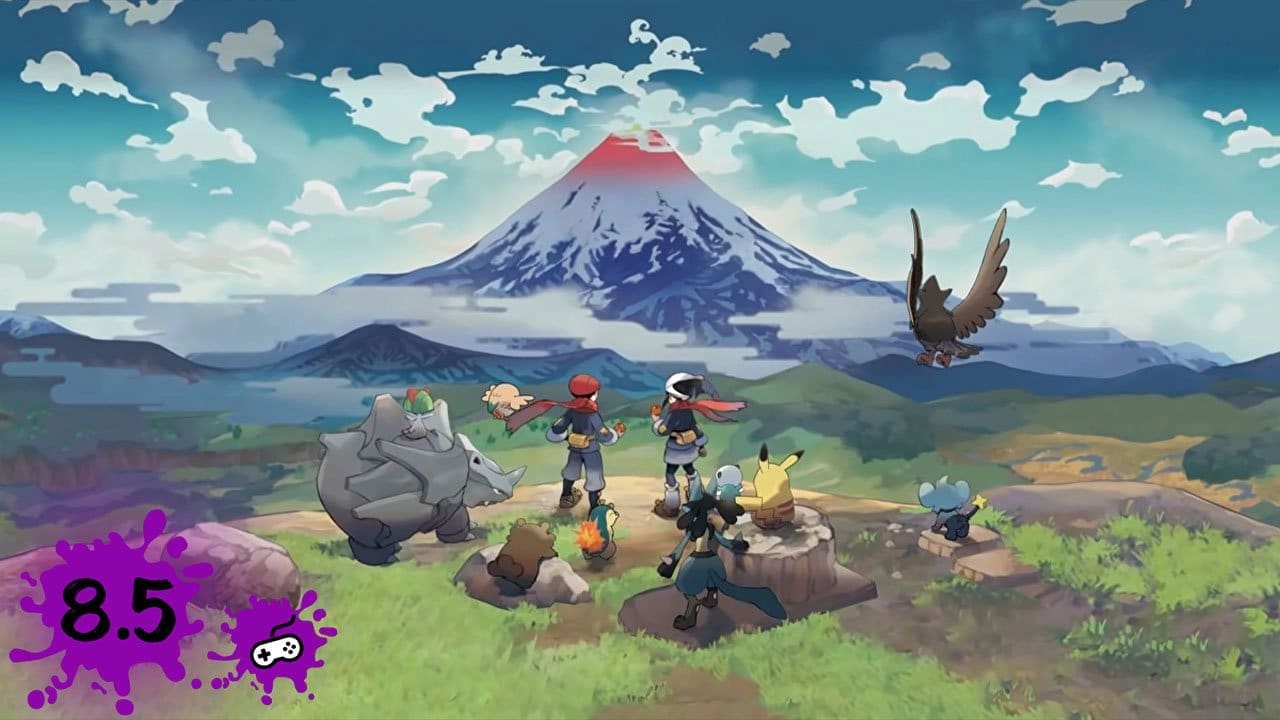
Pokémon Legends: Arceus is the latest instalment in the Pokémon franchise, and the developers have done some very interesting things this time. This entry sets a new precedent for future titles with a large overhaul, a new story, and a range of unique battles, biomes, and mechanics. It’s the kind of game many Pokémon fans have wanted for a long time and, although it isn’t perfect, it’s a step in the right direction—pulling ideas from recent titles and combining them into a rich world with story and intrigue.
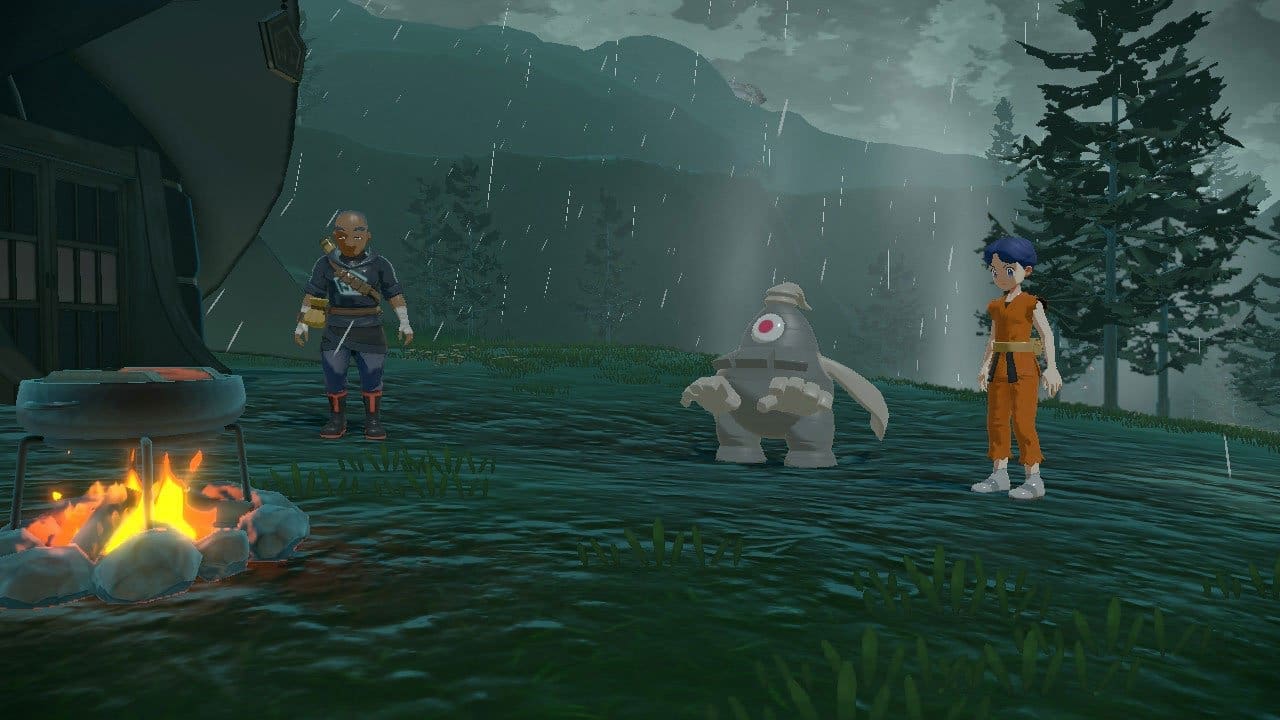
The game starts with the familiar RPG trope of being found unconscious on a beach—this time after appearing from a strange rift in the sky. Your clothing is more modern, and some things seem out of place. Professor Laventon and his three Pokémon come to your aid, even if they are somewhat suspicious about your arrival. The Professor quickly informs you about the area you’ve appeared in: the Hisui region. It’s an expansive land, full of natural beauty. There are various areas surrounding the central Mount Coronet, and each features unique Pokémon and environments to capture and explore.
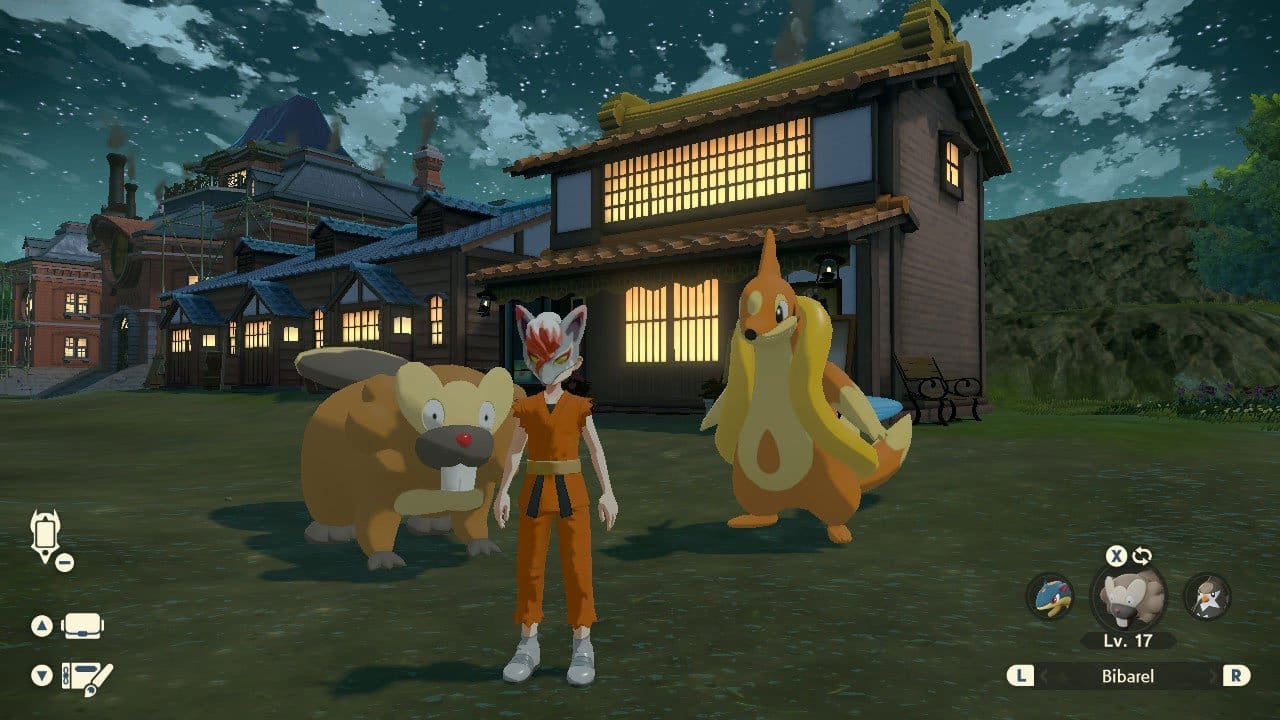
Once off the beach, the Professor loses his Pokémon; you assist in their retrieval and—much to his surprise—you’re a natural at capturing them. Shortly after, he takes you to nearby Jubilife Village, a beautiful township housing the research institute that’s home to the Galaxy Expedition Team. This group features several divisions, including Medical, Security, and Survey. Hearing of your recent exploits, you’re quickly assigned the task of capturing three Pokémon, after which you choose one of the Professor’s as your new companion. With that complete, you’re accepted into the fold as a rookie Survey Corps member, tasked with helping fill out the Pokédex and discover more about Hisui and its Pokémon.
The semi–open-world structure evokes Monster Hunter: multiple base camps around a primary home base (Jubilife). The village is ever-expanding. It starts with the basics—food, clothing, supplies, crafting—but soon grows to include haircuts, photography, trading, battling, farming and more. As the town develops and more people arrive, you’ll unlock additional side quests: discovering new Pokémon, fleshing out Pokédex entries, and helping with local problems. These can yield new crafting recipes, shop stock, or broader village upgrades, and they add a lived-in feel that makes returning to town rewarding.
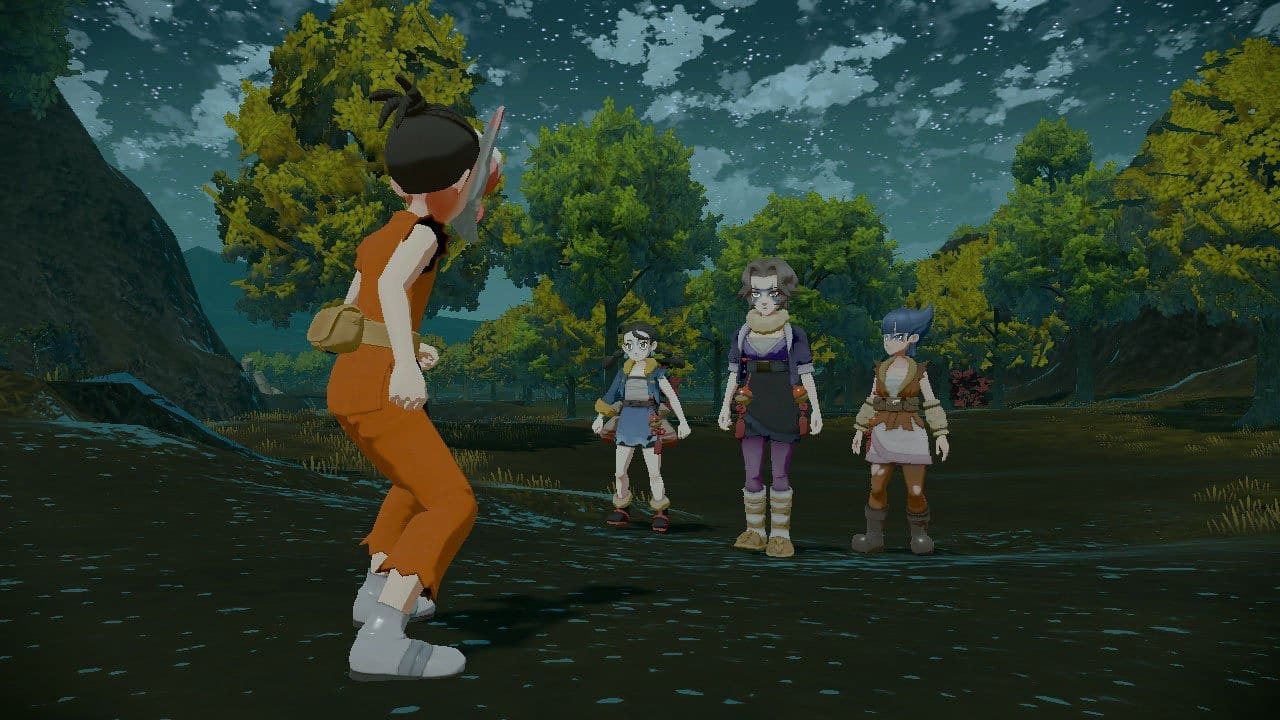
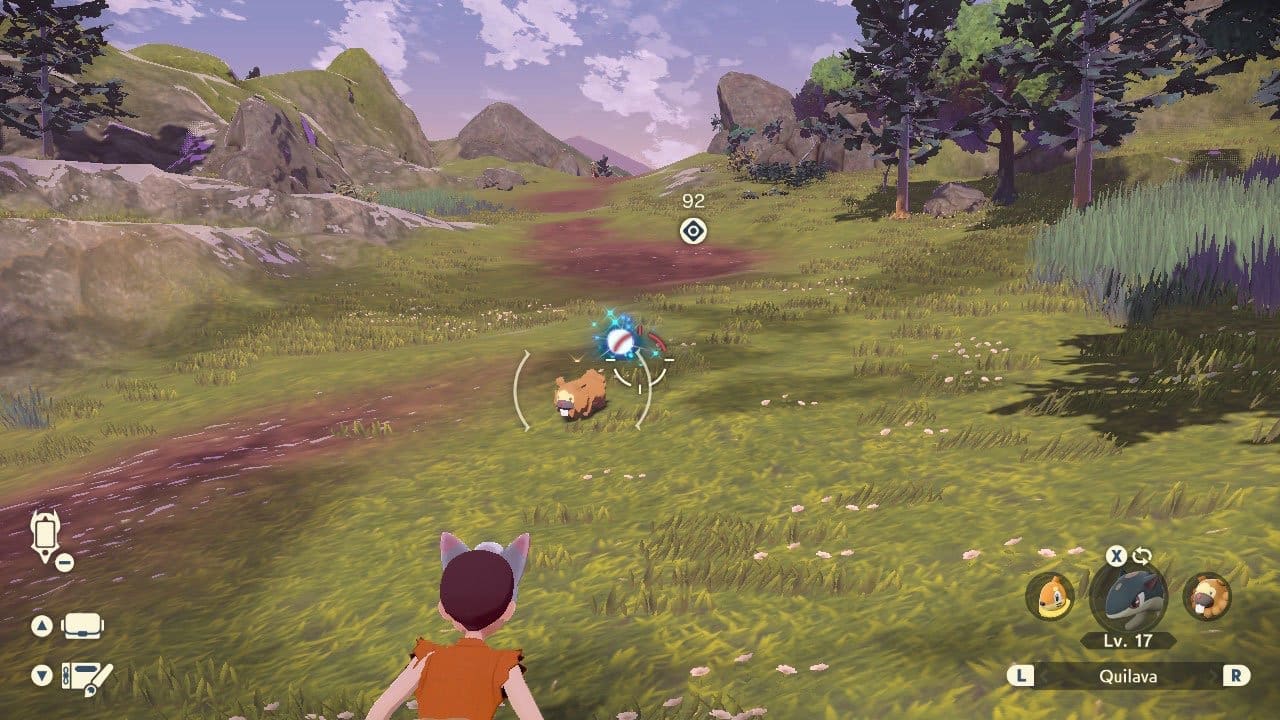
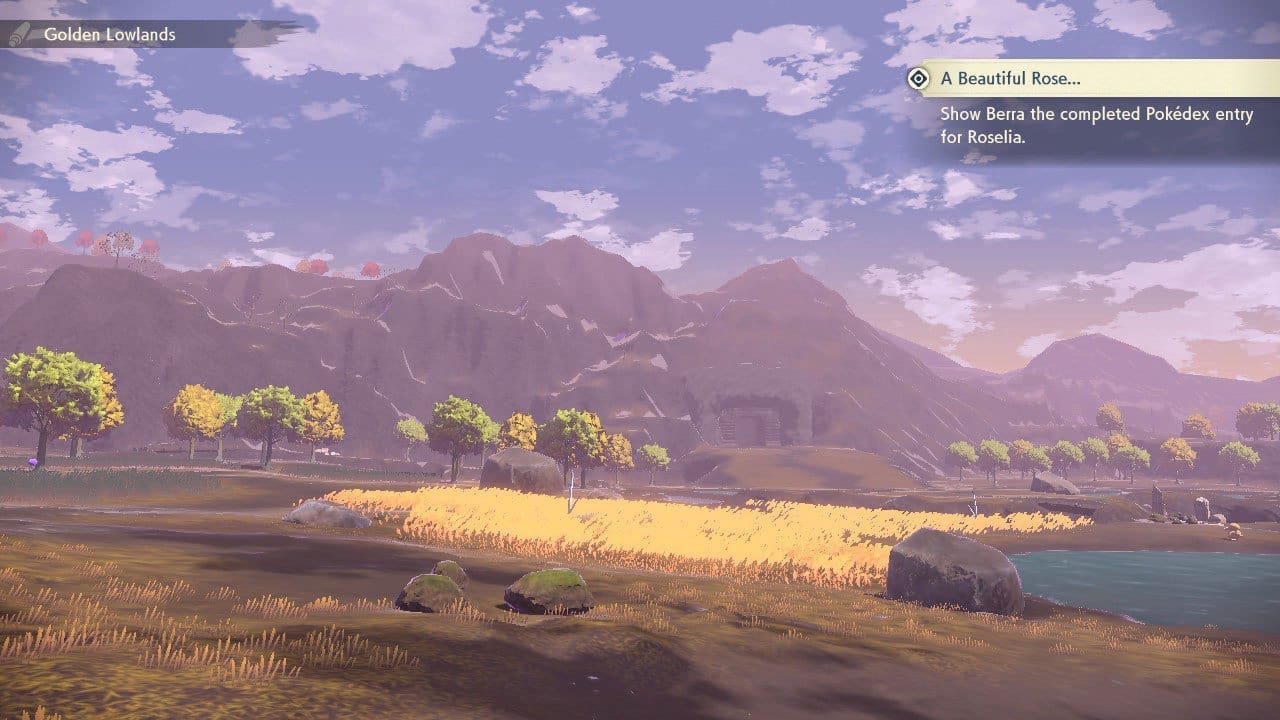
The world outside the village is less impressive visually, with wide-open spaces sparsely populated by Pokémon. Tree and grass assets are often reused, and it can feel like Game Freak could have done more to fill things out. Traversal, however, is great. Pokémon roam openly (as in Let’s Go and the Wild Area of Sword & Shield), and new catching mechanics let you engage differently: toss a partner for instant battle, or throw various Poké Balls for a stealth capture. You can lure with favourite foods or stun with crafted items, and—importantly—wild Pokémon can attack you directly. Later, rideable Pokémon make traversal faster and more dynamic across land, sea, and air, opening up exploration.
The revamped battle system gives you more control than prior mainline entries. You still have up to four moves, but mastering a move unlocks three styles: Agile (faster, weaker; can move you up the turn order), Standard (normal), and Strong (slower, stronger; may push you back in the order). You can see the upcoming turn order and plan around surprise openings. Moves can be relearned or swapped easily, allowing you to prep for key encounters. The result is more engaging turn-based combat where timing matters almost as much as type matchups.
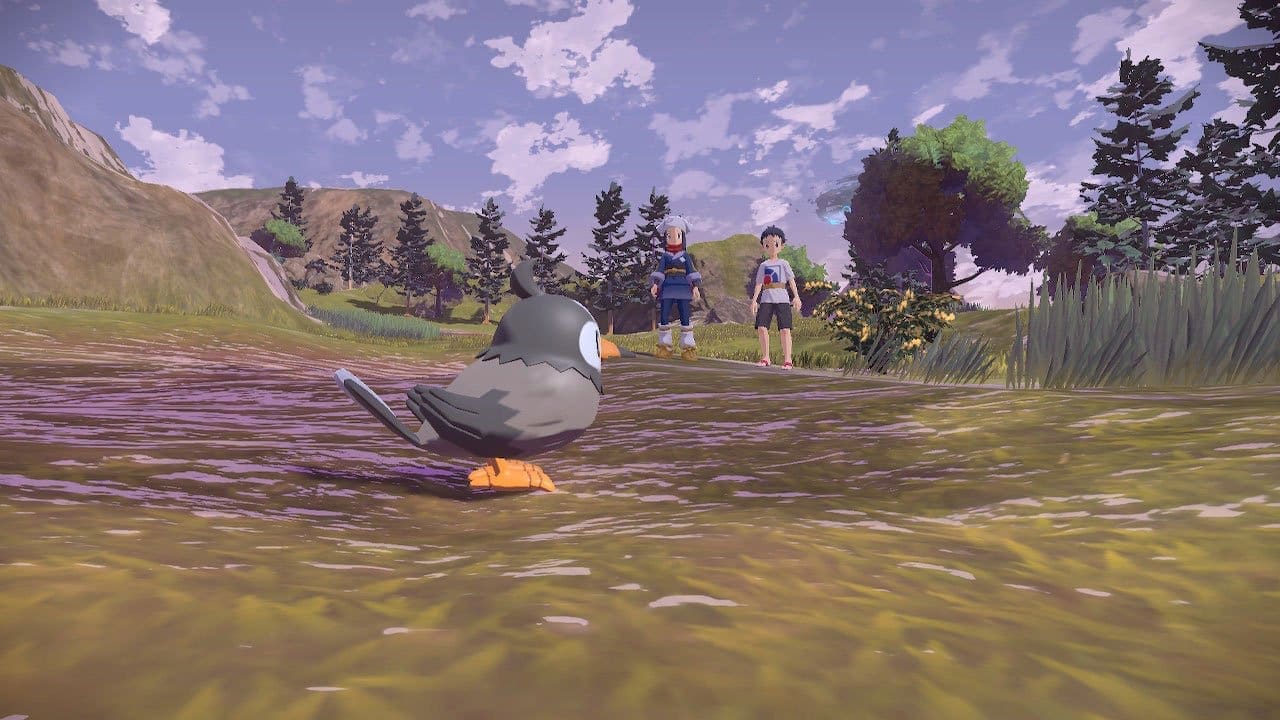
Narrative-wise, this prequel sidesteps the classic gym circuit. Instead, it focuses on forging relationships with local clans and village life—learning to live alongside wild Pokémon. The overarching mystery involves the vortex above Mount Coronet and regional politics between clans and Wardens. Frenzied Noble Pokémon provide fresh boss encounters: you calm them by throwing balms and can optionally weave in traditional battles. Clan leaders occasionally test your mettle, acting as level checks before the next major objective.
The Pokédex is a true field manual this time—no digital entries. Sight a Pokémon and it’s added; complete research tasks to learn more. Hitting Research Level 10 signifies sufficient knowledge. Entries include photos, locations, forms, typings and more. Filling it out is compelling; I often got lost simply exploring and researching. As the Pokédex expands, the populace’s fear recedes, reinforcing the world-building as Hisui moves toward the human–Pokémon harmony seen in later eras.
Audio remains a series strength: area themes shift tone as needed; Pokémon cries are expressive; and the UI cues for battling, gathering, and capturing are clear and satisfying. There’s still no voice acting for characters—something that would elevate the presentation.
Experience is shared, and catching also grants XP. Evolution is manual now: when a Pokémon is ready, you choose when to evolve. It’s a welcome layer of control. Beware Alpha Pokémon—larger, tougher variants that can wipe your team if you’re careless. They’re harder to catch but drop better rewards and XP.
While Pokémon Legends: Arceus does so much right, it also stumbles. The Switch hardware shows its limits with low-fidelity assets, pop-in, and distant low frame-rate animations. None of this sinks the experience, though—and The Pokémon Company has nudged the series toward something far more engaging than recent entries.
Arceus takes the franchise from feeling a tad stale to something I wanted to play every day. A more fulfilling world, new ways to interact with Pokémon and people, and a fresh perspective on the past make this my favourite Pokémon title to date. It’s not perfect, but it’s a bold, welcome step forward—and I’m excited to see where the series goes next.