
How Dredge Limitations Helped Shape One Of Its Biggest Strengths
Black Salt Games the developers of Dredge reveal how playtesting, cutting ideas and embracing a small-team were important during a QnA for Melbourne International Games Week

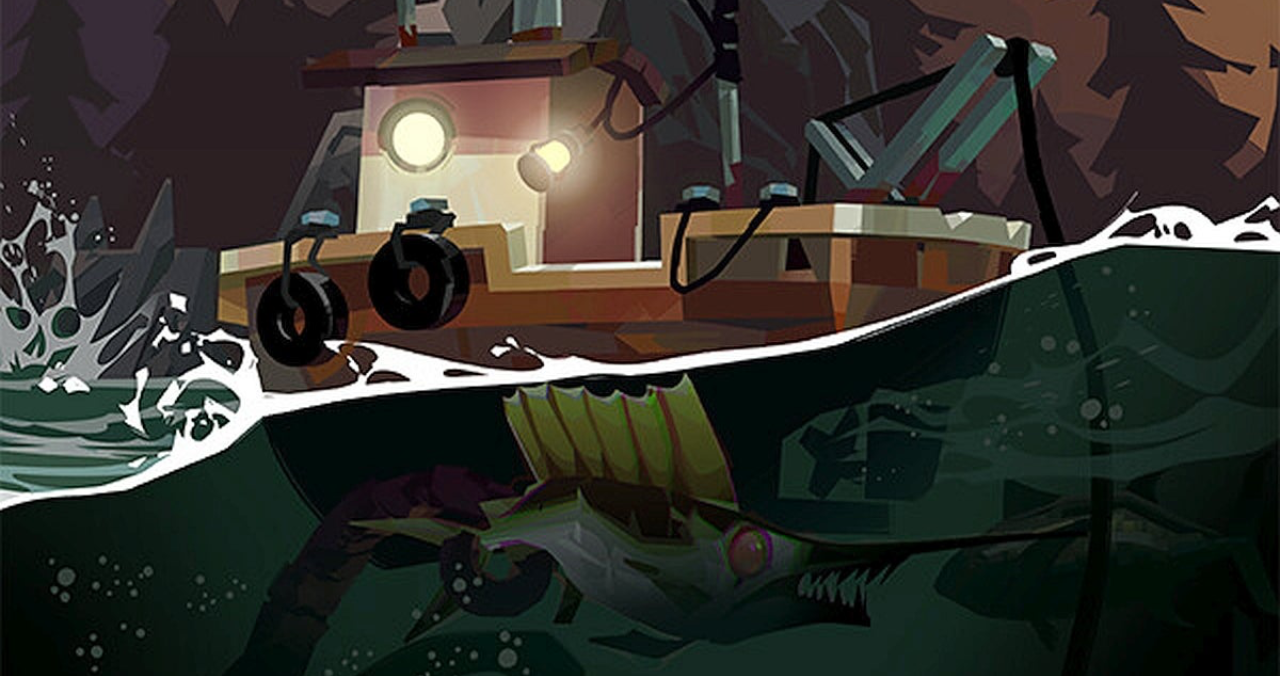
Dredge developer Black Salt Games has discussed developing the hit fishing and spooky adventure, revealing how playtesting, a small team, and knowing when to cut ideas shaped the final game players came to know and love.
As part of Melbourne International Games Week 2026, Black Salt Games’ Nadia Thorne and Joel Mason joined moderator Lena Moon at ACMI for a screening of Noclip documentary The Design of Dredge, which was followed by a QnA session discussing the game’s development, its DLC and some of the lessons the team has taken into its next project.
One thing that came up repeatedly was scope. Black Salt Games didn’t just consider what game it wanted to make, but what game it could realistically make.
“We do a thing at the start of every project where we talk about the games that we want to make, but we talk about the games that we can make,” Thorne said.
That meant abandoning ideas that were simply too ambitious for the team’s size. An RTS was one of the prototypes considered before Dredge, but the team realised it couldn’t provide all of the features players would expect from the genre within the available time and resources.
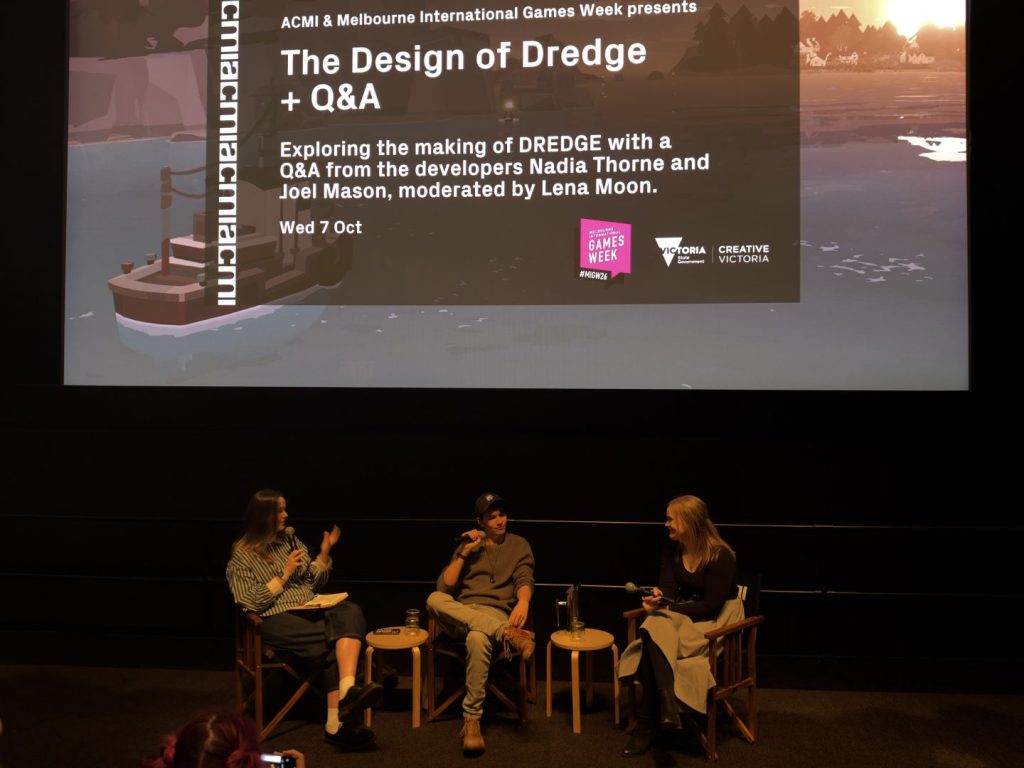
Thorne and Mason talked about how they, along with artist Alex Ritchie, worked within the restrictions and viewed them as a positive guide rather than a negative reminder of what they couldn’t do. It sounded like it helped their decision-making.
In the Noclip documentary, we see captured footage of very early playtests, and the builds showing the simplicity of the early prototypes, which were essentially a shape floating around in the water. The team said they locked in the basics of the game’s first area, the boat controls, and core mechanics before moving to Dredge’s other biomes.
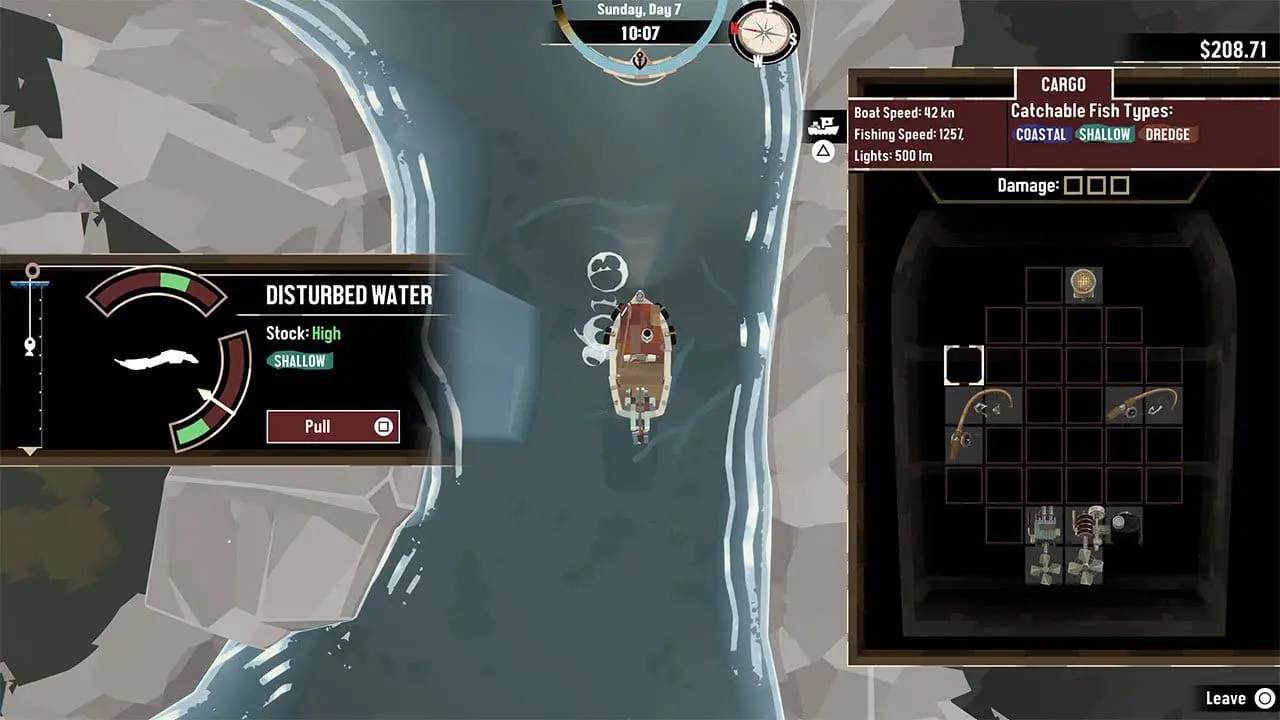
Playtesting helped Black Salt Games figure out what needed tweaking during development. Fuel, for example, was originally a resource, and players could run out while exploring and find themselves stuck in the middle of the ocean, slowly making their way back towards safety. “And it was so unfun,” Thorne said. So fuel was removed.
“It’s the great equaliser, right? Because we can passionately disagree, but then when five people play it and say that that’s not fun, then it’s pretty easy to put the ego aside and go with what the players want.”
Not everything testers discovered resulted in something being removed; sometimes it led to adding something that made a bunch of sense. A perfect example is Dredge’s horn, which didn’t originally serve any functional purpose other than making noise. However, during testing, players began honking at the crows that could steal fish from the boat, expecting the sound to scare them away. And so it changed.
Black Salt Games also revealed some of the tricks used to guide players around Dredge’s otherwise open ocean. Originally it took a long time to travel between them all, a bit too long, so everything was then tightened up. This led to another problem: some players moved straight toward things in the distance, like a big volcanic region they shouldn’t be heading toward just yet. So Black Salt Games added mountains to make the location less visible, running under the idea that what players can’t see, players can’t want.
The distance between The Marrows and Gale Cliffs was designed around the engines players were expected to have by then. The journey takes just long enough to push players into nighttime, forcing players who were passively playing during the day to have no choice in some parts and be forced into the more “spooky” parts of Dreadge.
Related: Dredge Review – Reeled me in and blew me out of the water
One of the more surprising details from the Q&A was how Dredge’s story developed.
In the earliest versions of the game and the first several months, there was no focus on narrative or talk about it. There was going to be some MacGuffins to lead players on an adventure, but without any of the narrative elements that players have now spent hours thinking about and boiling down. That was until artist Alex Ritchie went for a walk and returned with the outline for the game.
The team jokingly described it as a particularly “load-bearing walk.”
Early versions included creepy characters and small hints of something bigger, and playtesters began theorising about what was happening based on only a couple of lines of dialogue.
With the two DLCs, one added a new biome that the team had originally scrapped for time before the original game’s release. At the same time, the other saw the team experiment with adding around eight new resources before playtesting showed that collecting them was becoming tedious. So the team consolidated them.
After taking a step back, the team returned to the game’s core: the crafting and upgrade systems complement it, but the core experience is exploring the ocean and uncovering its mysteries.
What’s next for Black Salt Games is a question sitting around the room during this QnA and, of course, online, as people want to know what the next game will be like. The team said that although the success means they can give themselves more room to breathe and work on their current project, they definitely don’t want to be spending ten years working on a game either.
“I think we’re agonising even more because we actually know that people might play this game,” Mason said.
The studio spent roughly two years developing Dredge, with the team acknowledging they sometimes worked more than 40 hours a week, although it wasn’t something enforced to hit milestones.
They’d also worked together for around a decade before forming Black Salt Games, meaning many of the processes and disagreements that can slow down a new studio had already been worked through.
Listening to Black Salt Games discuss Dredge, it was clear that the guiding force for this game was the ability to work within their restrictions and have open and meaningful discussions about some of the tougher design decisions. Sometimes that meant removing a harpoon to stop players from hunting whales. Sometimes it meant removing fuel. Sometimes it meant moving islands closer together. And sometimes it meant putting your foot down because the fish absolutely needed to jiggle.

Dylan Blight
[He/Him] Dylan Blight is the Founder and Editor-in-Chief of Explosion Network, an independent Australian publication covering video games, film, television and pop culture. Since founding Explosion Network in 2017, Dylan has written and produced reviews, news, interviews, features and podcasts across the entertainment industry, while overseeing the publication's editorial direction and content.
MORE FROM DYLAN BLIGHT →


Comments