
Star Wars: Galactic Racer Review
Star Wars: Galactic Racer combines blistering speed, meaningful choices and a replayable campaign that kept me chasing the chequered flag.

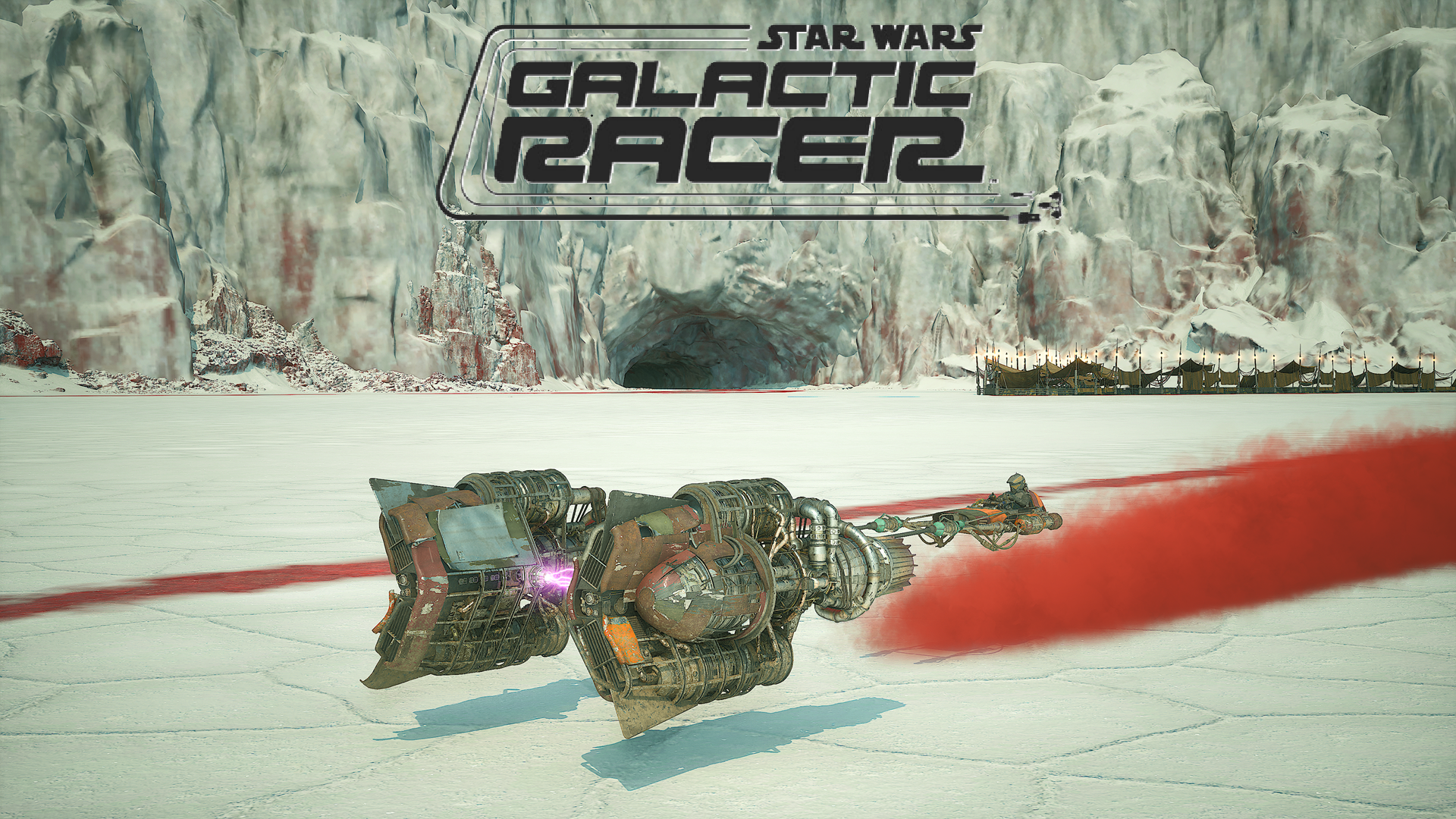
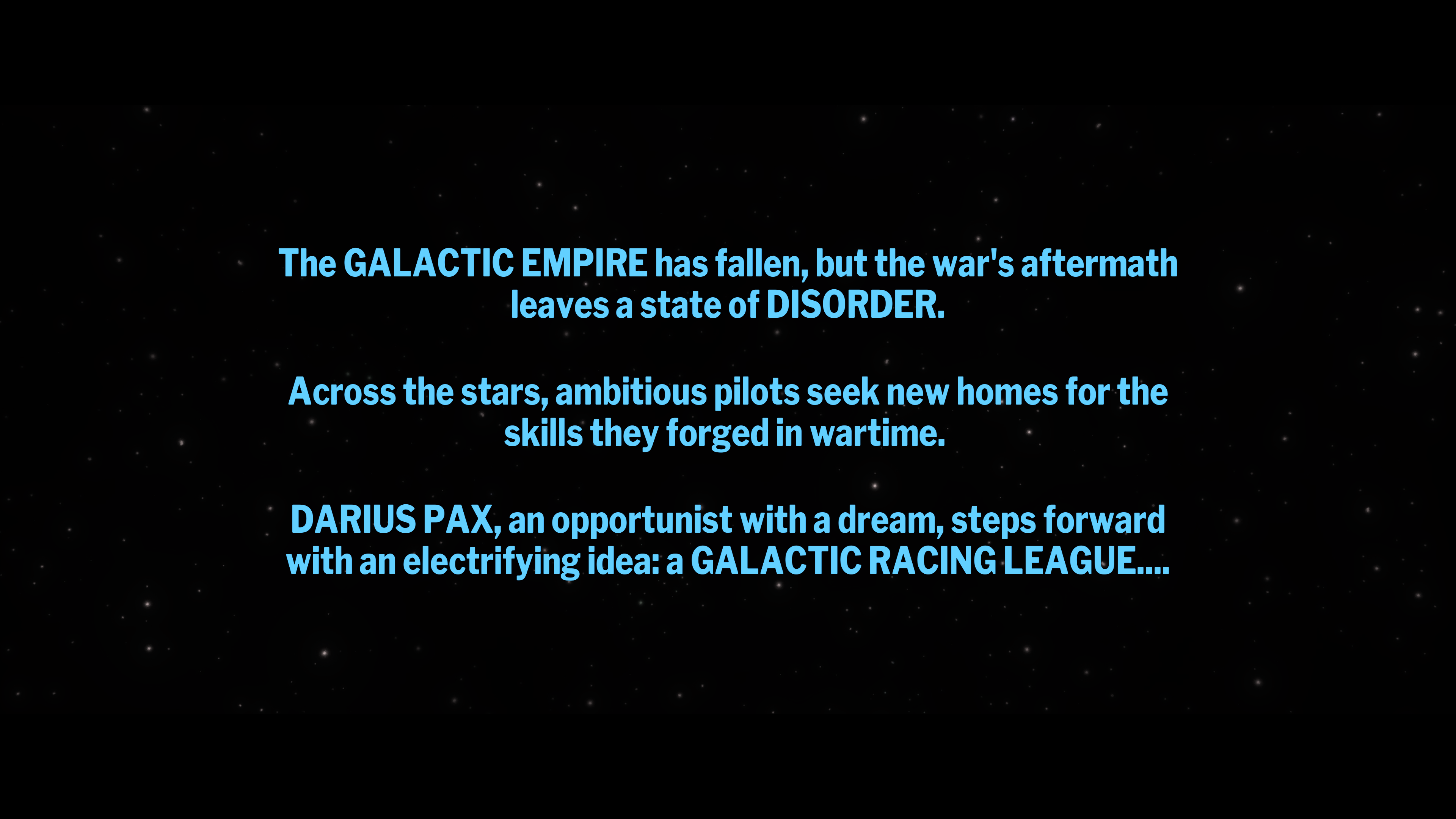
With the Galactic Empire defeated, the New Republic is struggling to bring order to the galaxy. In the Outer Rim, gambling, entertainment, and glory ignite a passion for speed in the underground racing scene.
Shade, a helmeted human imprisoned in the Bool family prison for three years after scuffing Kestar’s speeder, is finally free. He wants revenge on Kestar, the Caskadag noble who took so much from him. A professional pilot, Shade soon learns that his rival has used his wealth and influence to remain champion of the Galactic League. Determined to bring him down, Shade enters the competition with one goal: to win.
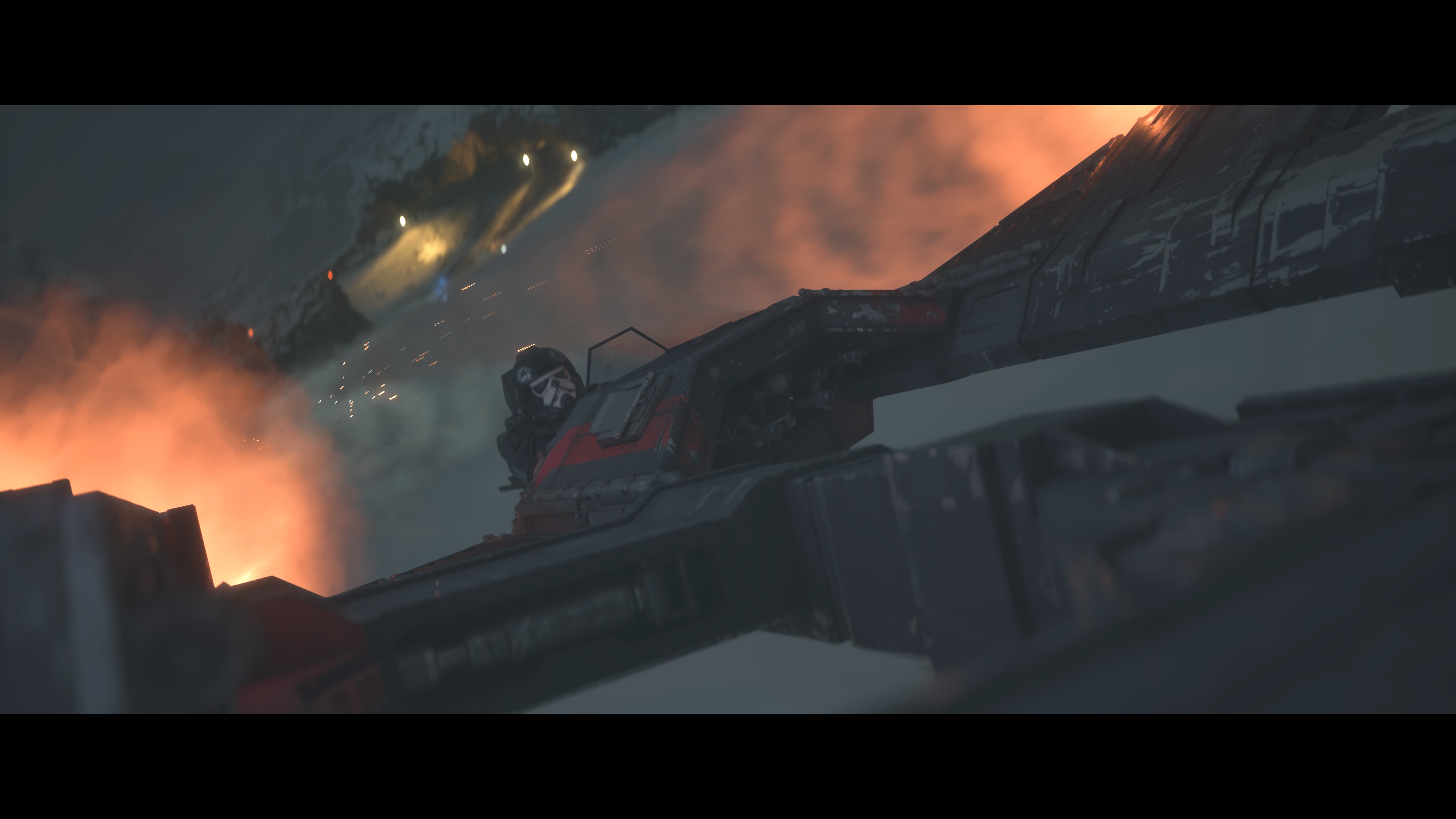
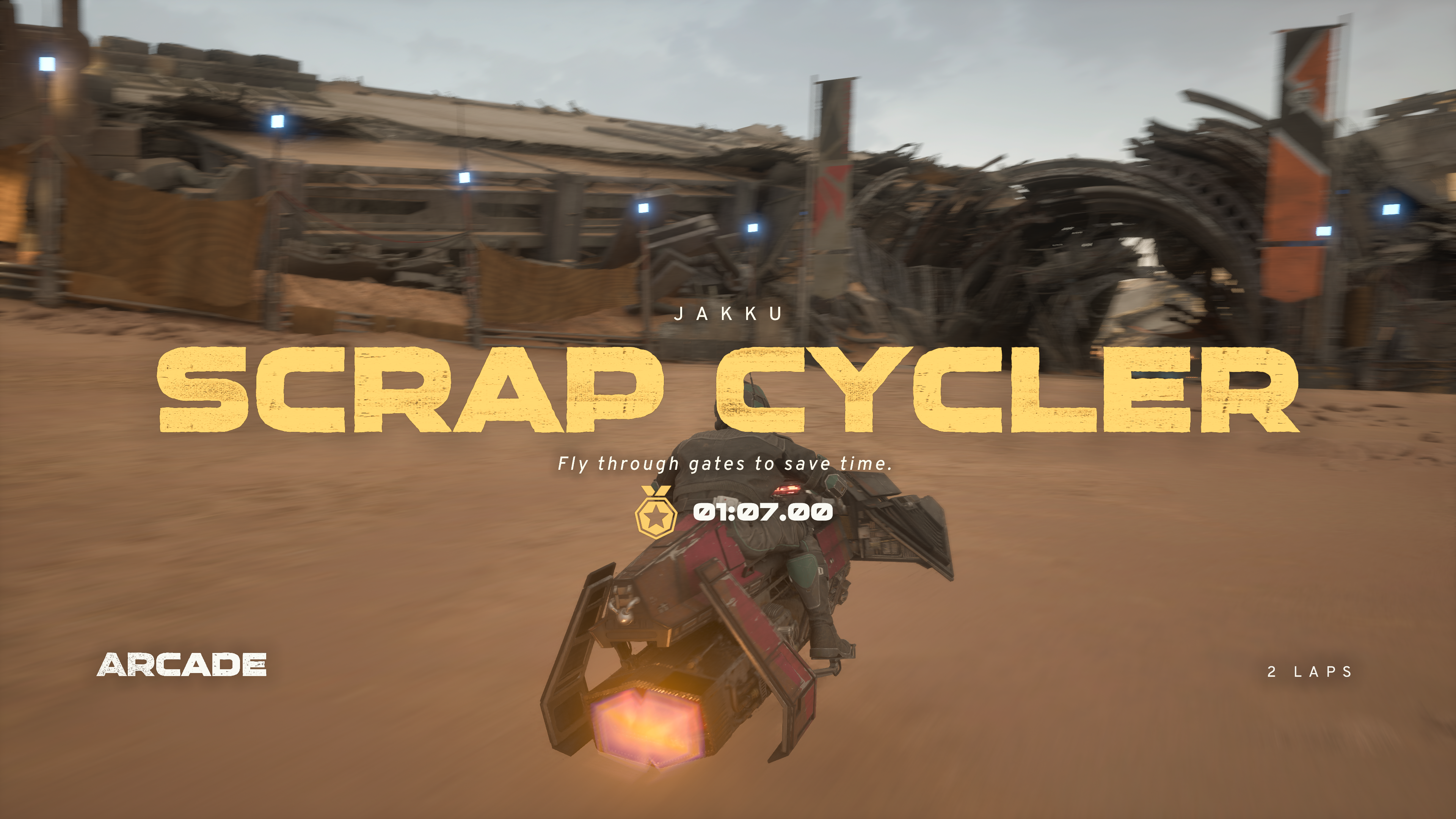
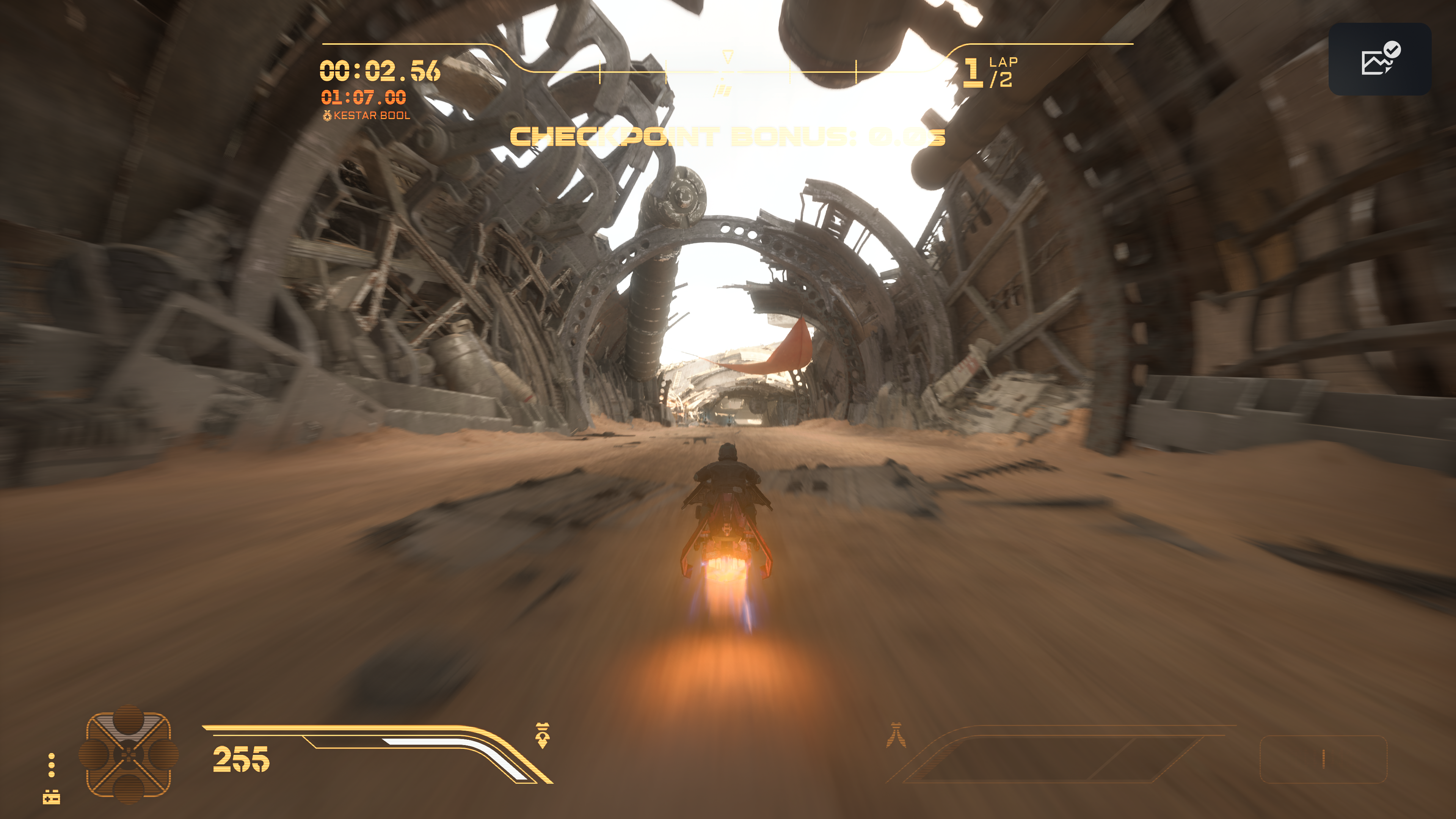
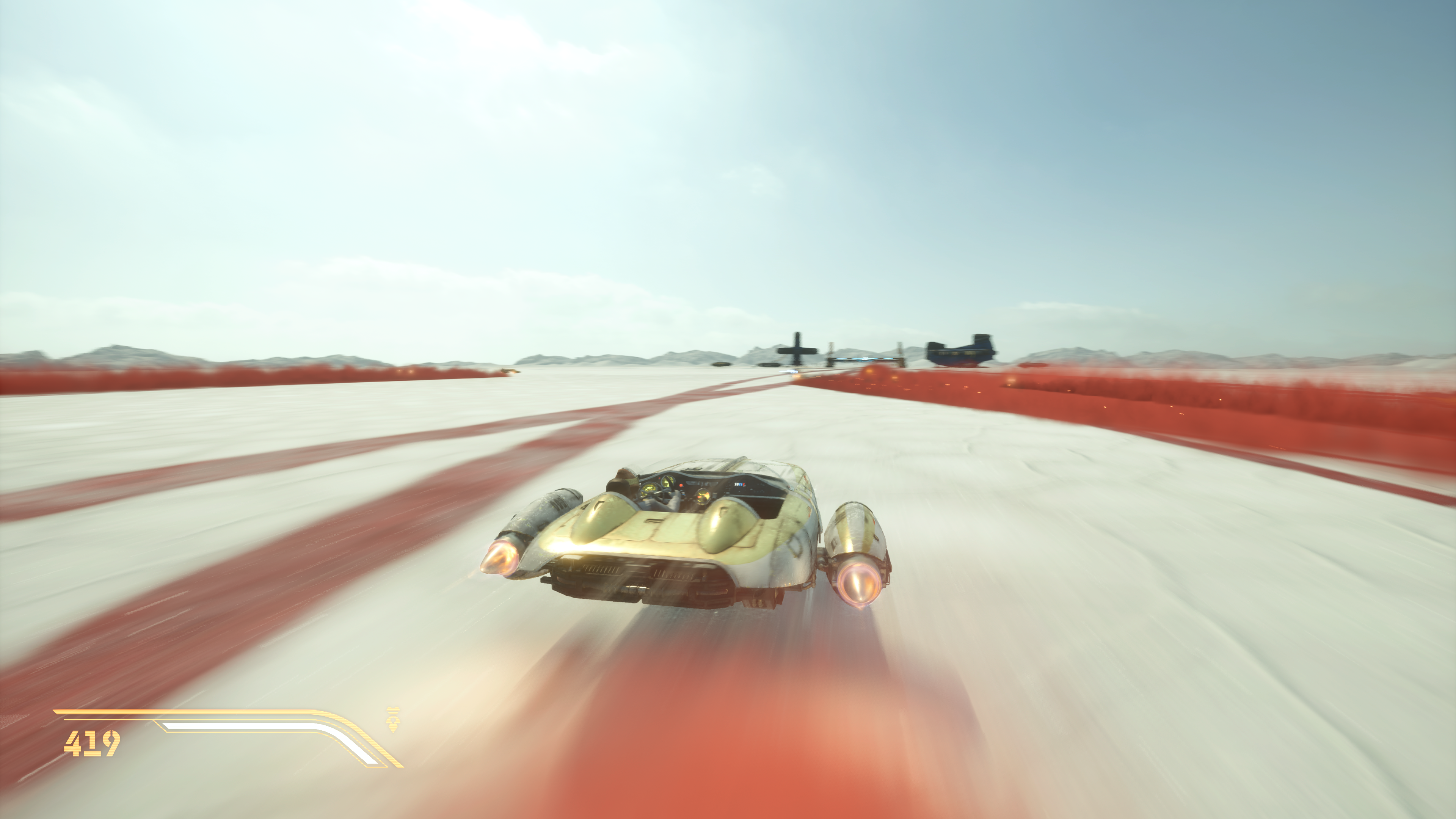

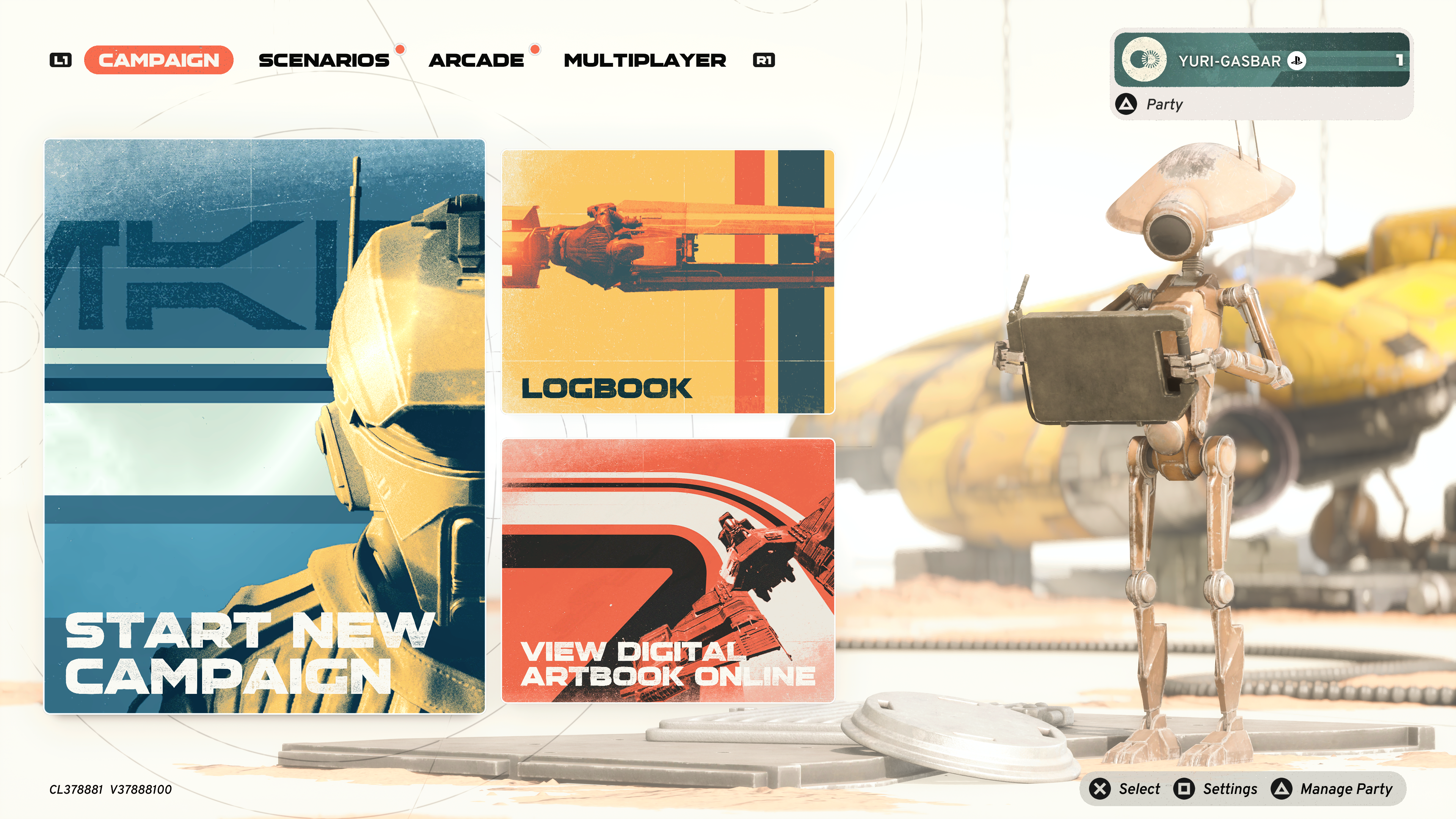
Star Wars Galactic Racers campaign blends a story of hope and redemption with a racing experience. Shade’s rivalry with Kestar motivated me to continue playing and improving my racing skills as I worked through the three-act story. Each with its own unique boss race at the conclusion.
The defining feature of the campaign is its run-based structure, following the galactic tour across the three acts. Each run features branching events that include races, elimination races, field testing, and mysterious encounters. The event layout changes between runs while the planetary order remains fixed. This provides enough consistency to learn the tracks without allowing each attempt to become stale.
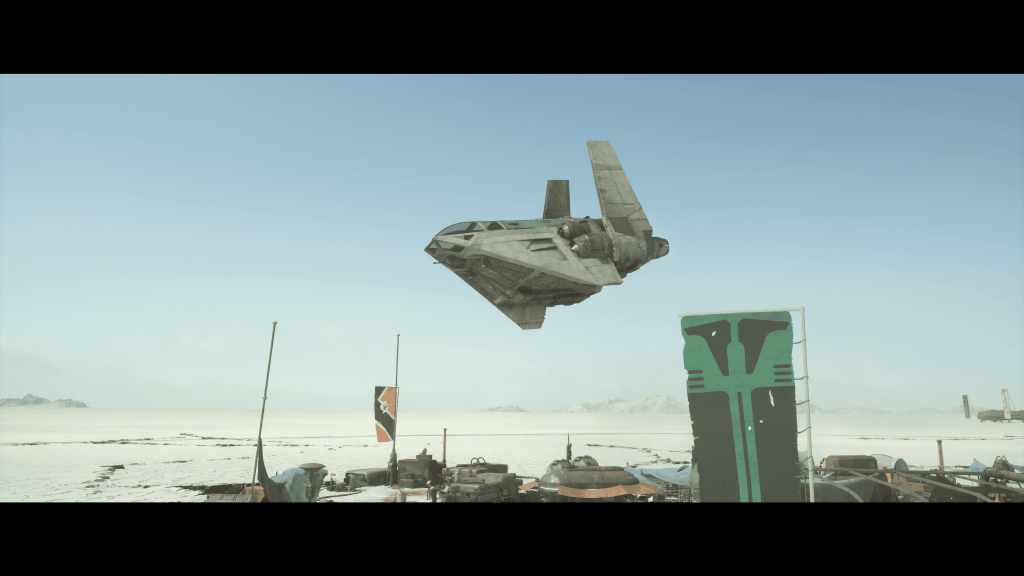
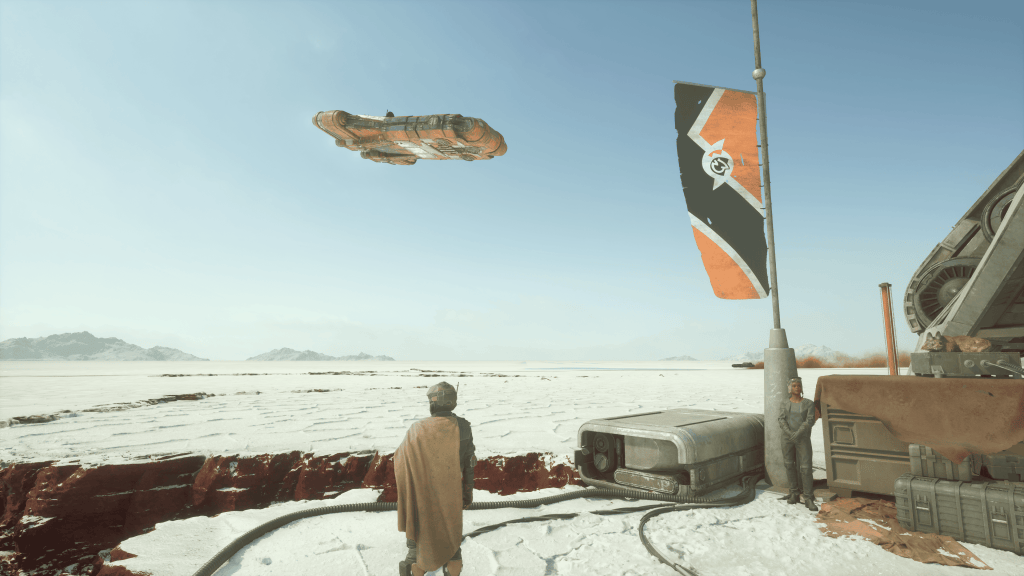


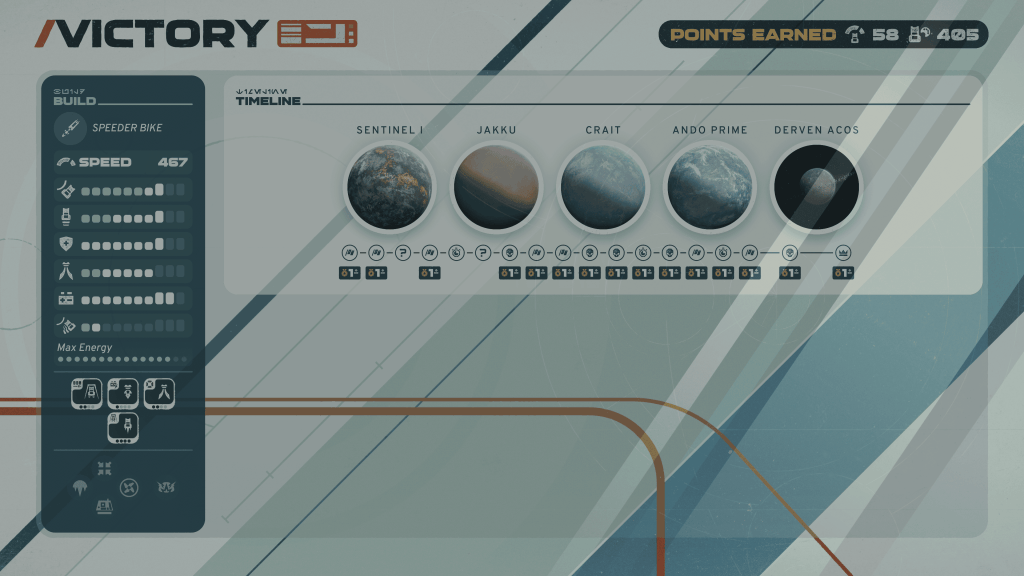
League entry tokens determine how long a run continues. Losing the token means starting again; this can occur in many ways. Crashing too many times, failing to get in the top three in eliminator events, or losing all the tokens means ending the tour. Shade restarts from the beginning of the tour, but credits, tuning points, kit points, racer styles, and favours carry over. Tuning points unlock both vehicles and improve their base stats, while kit points are used for customising the vehicles. The carryover of progression softened the blow of a failed run and makes for a stronger vehicle for the next attempt.
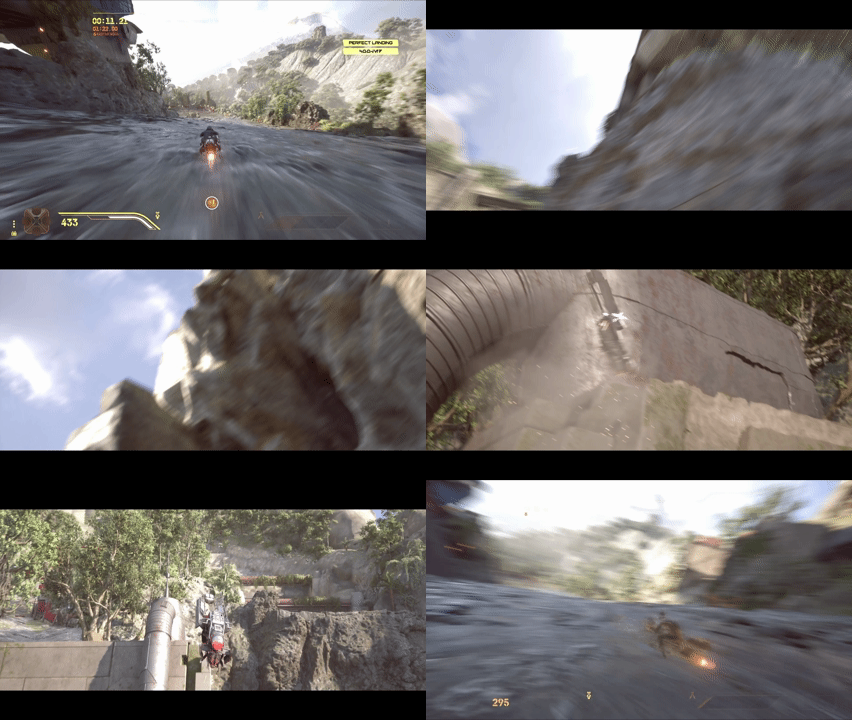
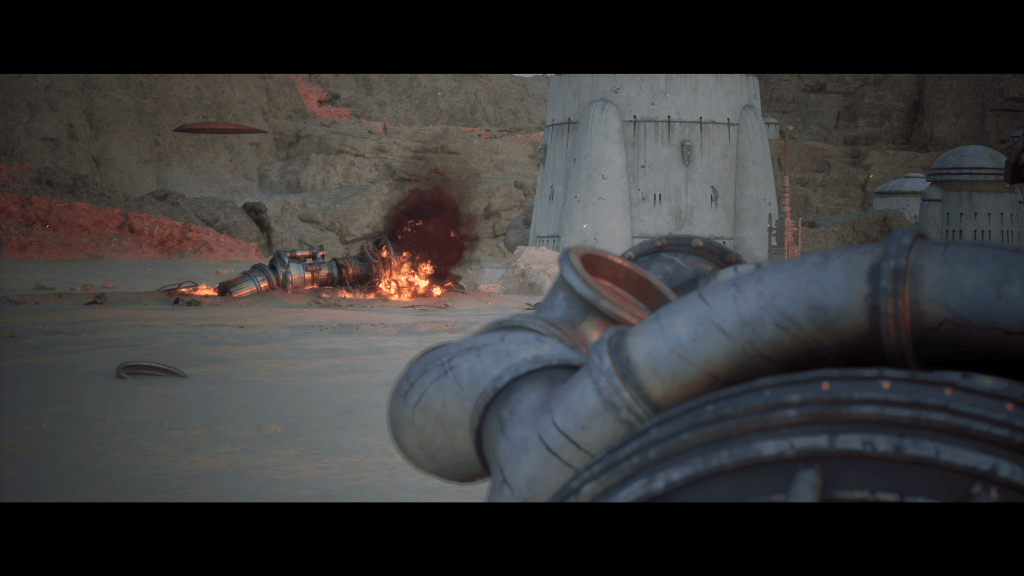

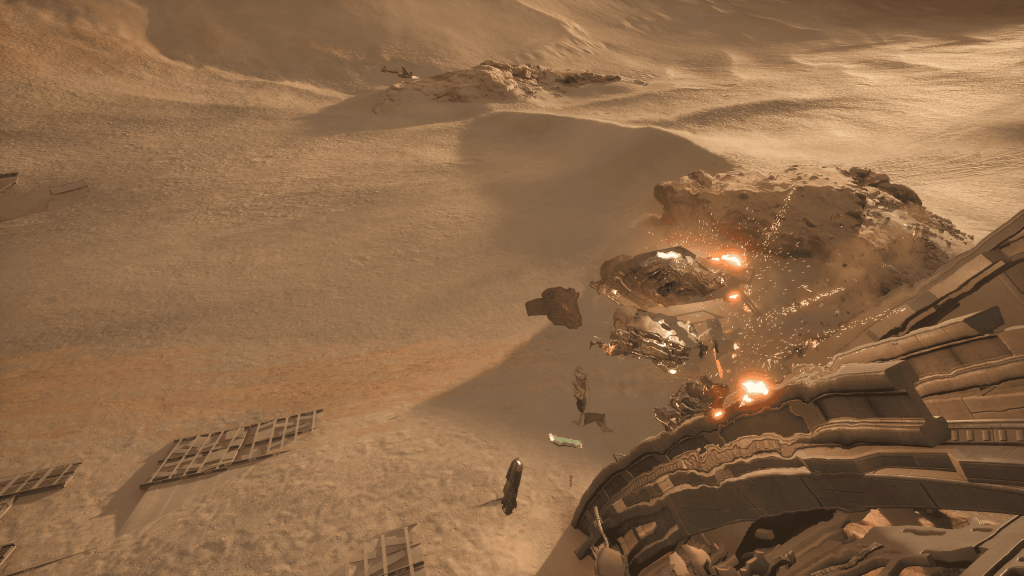

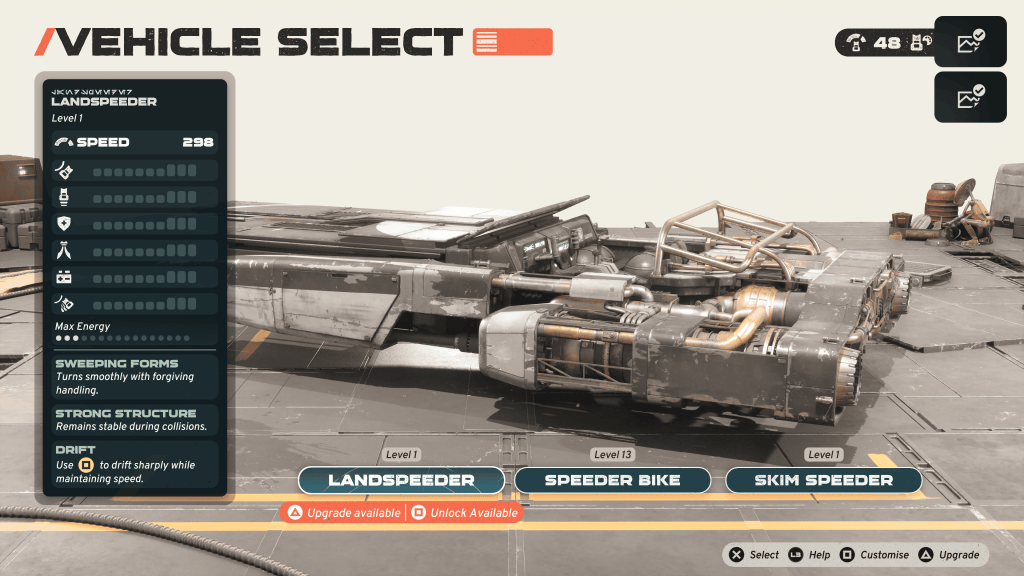
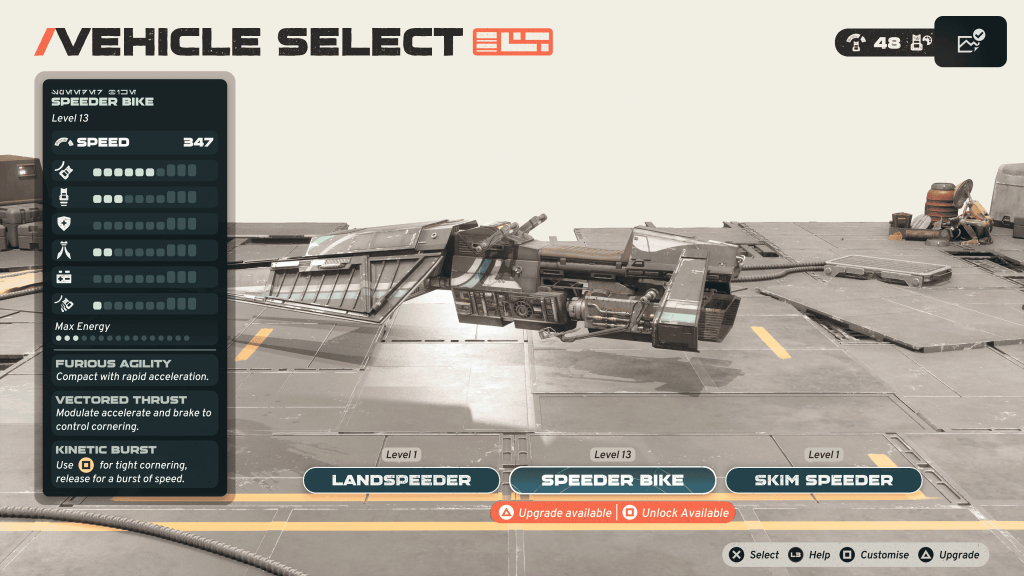
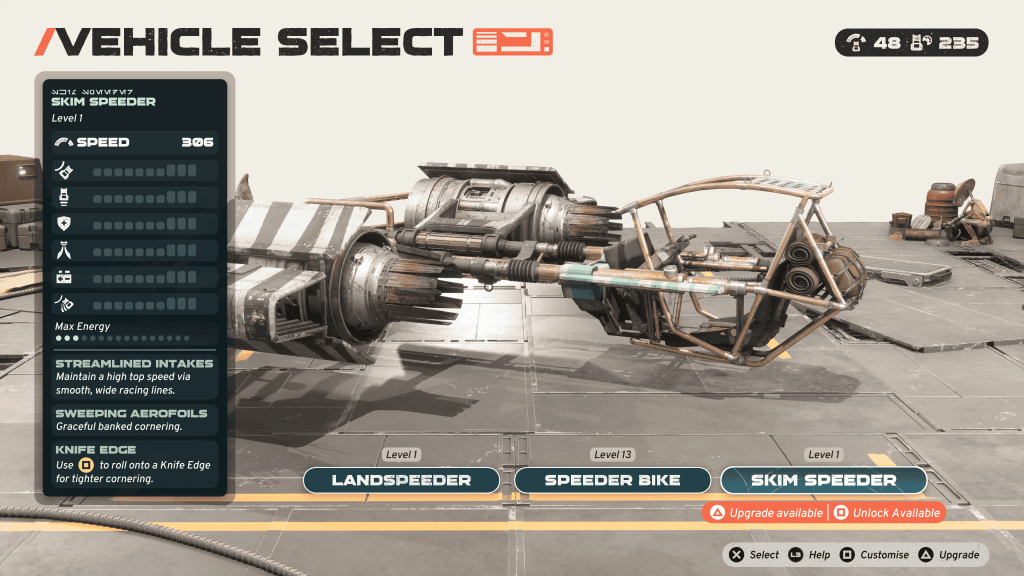
There are three main repulsorcraft types to choose from: the landspeeder, speeder bike, and skim speeder. Each is fast but handles differently, with its own strengths and weaknesses.
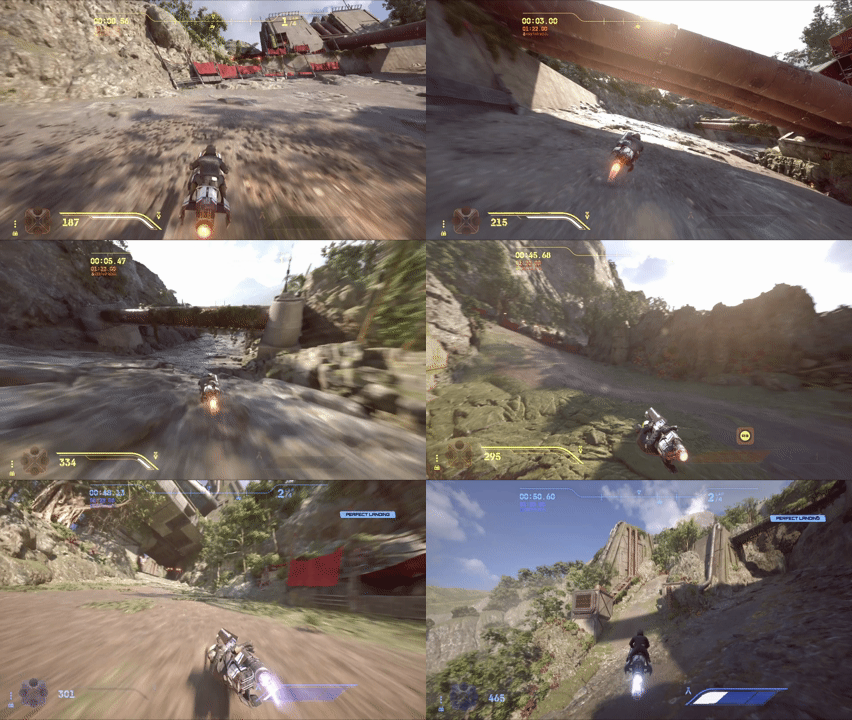
The landspeeder is a heavy, durable, and stable vehicle designed to follow the racing lines. It has the ability to drift through corners to maintain speed and accept plenty of punishment.
The speeder bike has exceptional acceleration and agility, although it has a harder time maintaining tight turns and is easier to destroy. It has a unique Kinetic burst that stores energy while braking for corners and releases on the exit for a surge of speed; this made it a favourite of mine. The added speed and sound it made filled me with adrenaline.
The skim speeder feels more like a starfighter, with its banking ability turning it into a knife’s edge; it fit through narrow gaps and tight corners. It also took a lot more time to learn than the others and is the closest feel to the pod racer.
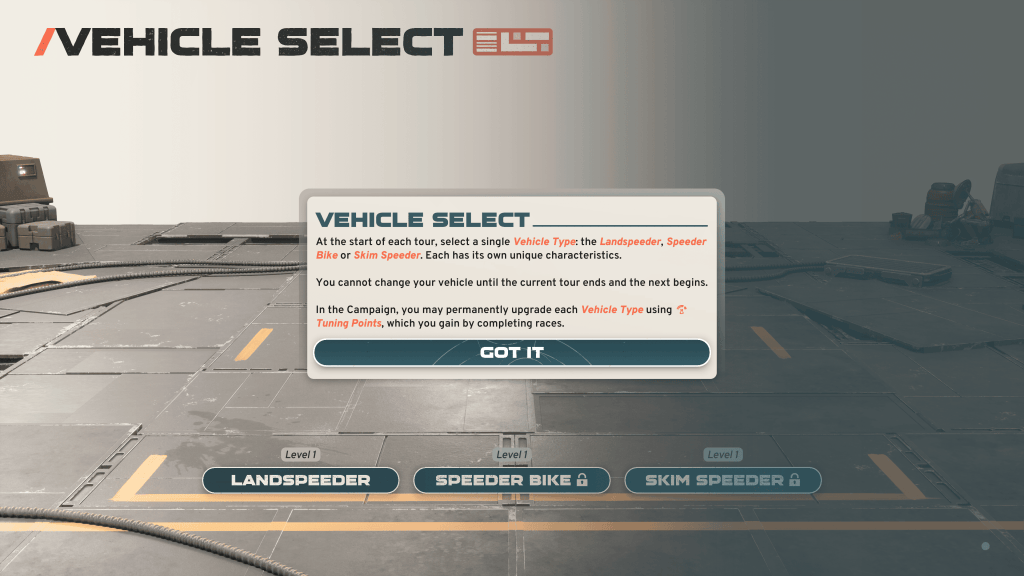


After the completion of Act One, pod racing is unlocked when Shade approaches and speaks with Sebula, whom most will recognise as Anakin’s podracing rival from the prequels. Sebula is a champion of the podracing scene from years ago. After racing the podracers, I can see why it is considered such a dangerous sport. While the other repulsorcraft are fast, the podracers feel like lightning. As they whip through caves, canyons, and flats, there is no rival for outright speed; the cornering is a challenge.
The three repulsorcraft share two boost systems: the Afterburner and the Ramjet. The afterburner is a conventional boost that drains a fuel supply for a quick spurt of speed and slowly recharges. The ramjet, once charged, provides a greater and longer sustained boost; however, holding it too long results in the explosion of the vehicle. Switching between the two and deciding on how long to push the Ramjet creates a nice balance between speed and survival.
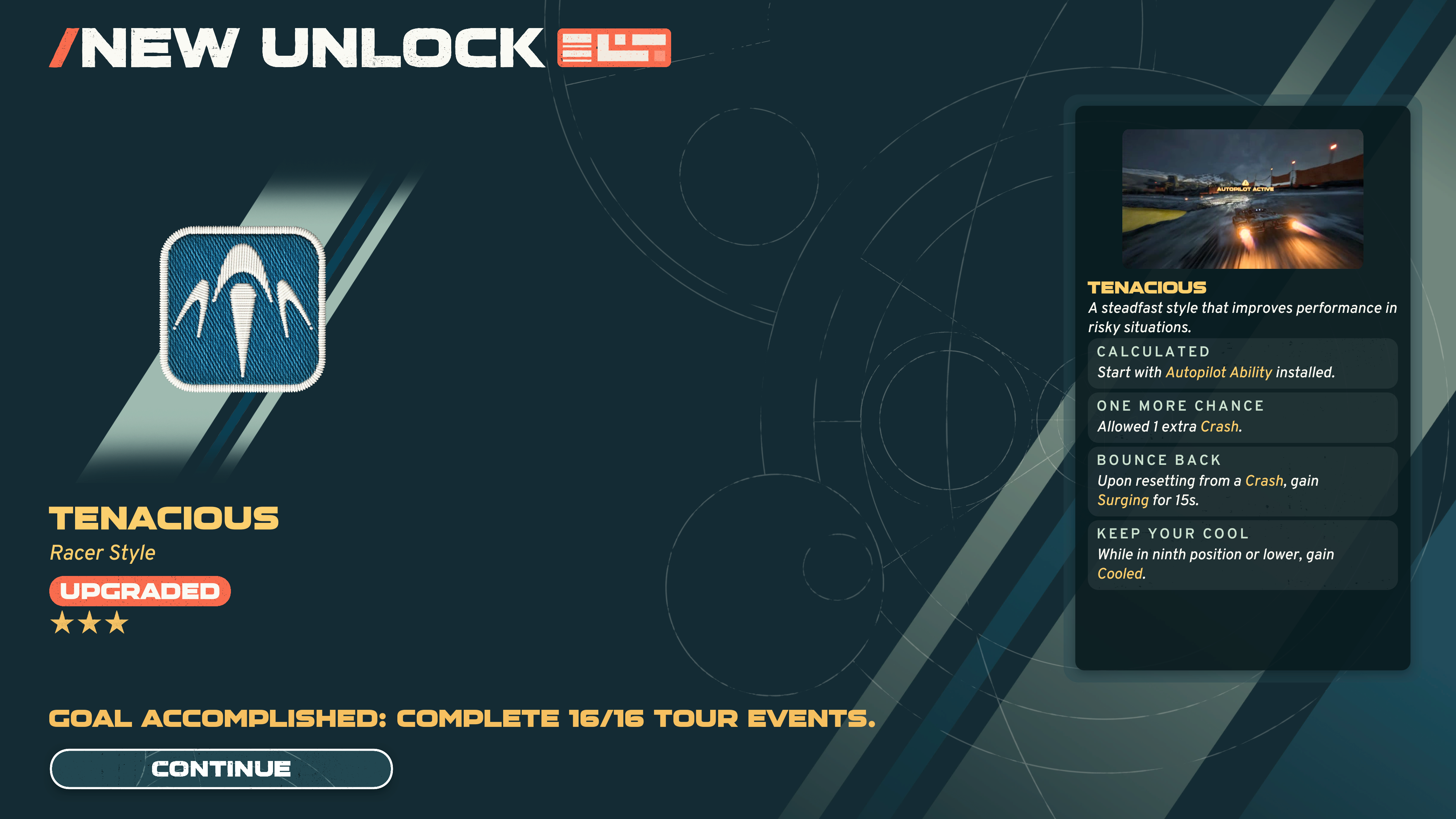
Throughout the campaign, rewards allowed me to shape my vehicle build. Through parts, upgrades, abilities, and racer styles. Parts provide a passive effect that alters the vehicle’s behaviour based on its condition and the environment. The higher rarity parts provided stronger effects, and up to four could be installed. Finding the combinations that worked with both the racer style, planetary conditions, and status effects was essential to creating the most effective build.
Abilities provide active defensive or offensive advantages, including shields, stronger boosts, mines, and crash effects, with up to five being able to be equipped at once. Upgrades improve the base stats: Cornering, Afterburner, Ramjet, Battery, and the vehicle-specific skill, Drift, Kinetic Bursts or Knife’s Edge. The Racer styles add unique traits and abilities that can further enhance how each vehicle is driven.
Before each race, there was a contract from backers that were able to be accepted. Completion of these objectives returned additional awards, giving further reasons to take the risk or change how I approached the events.
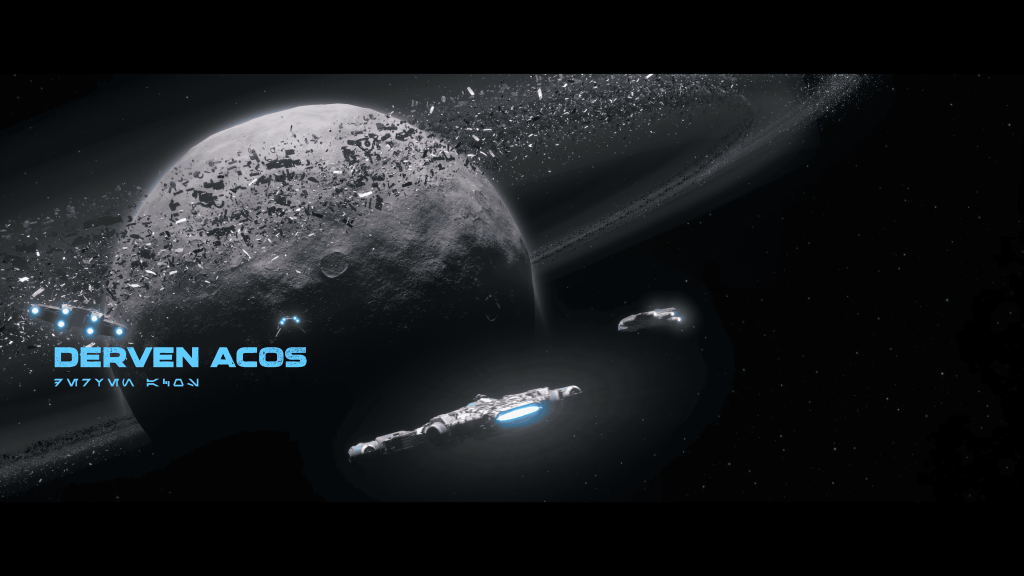
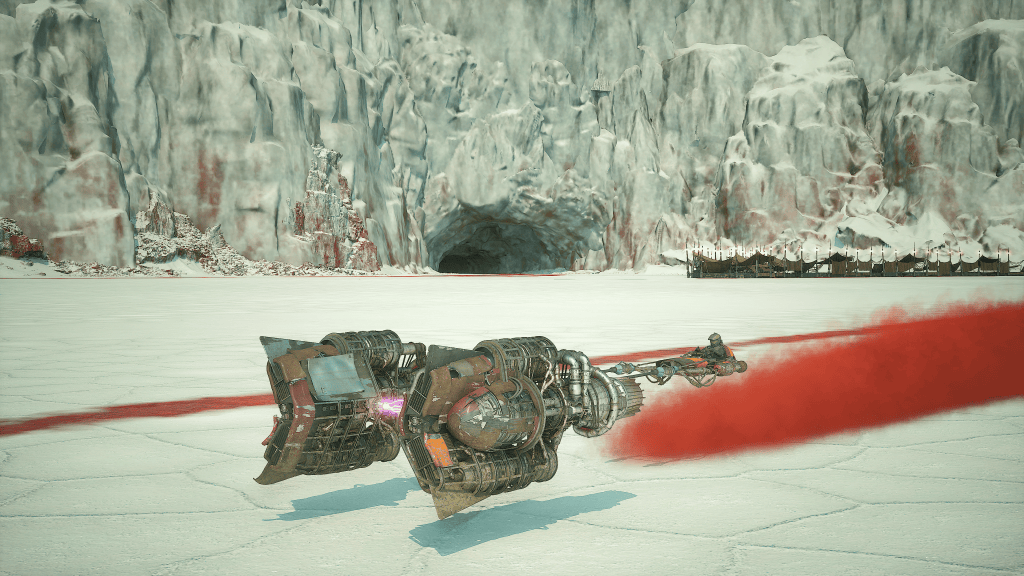
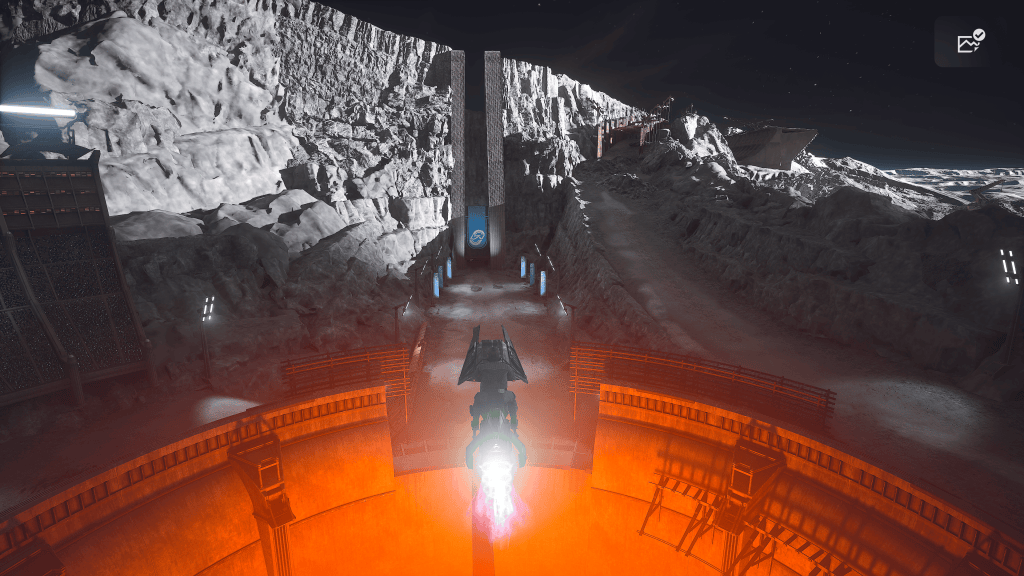
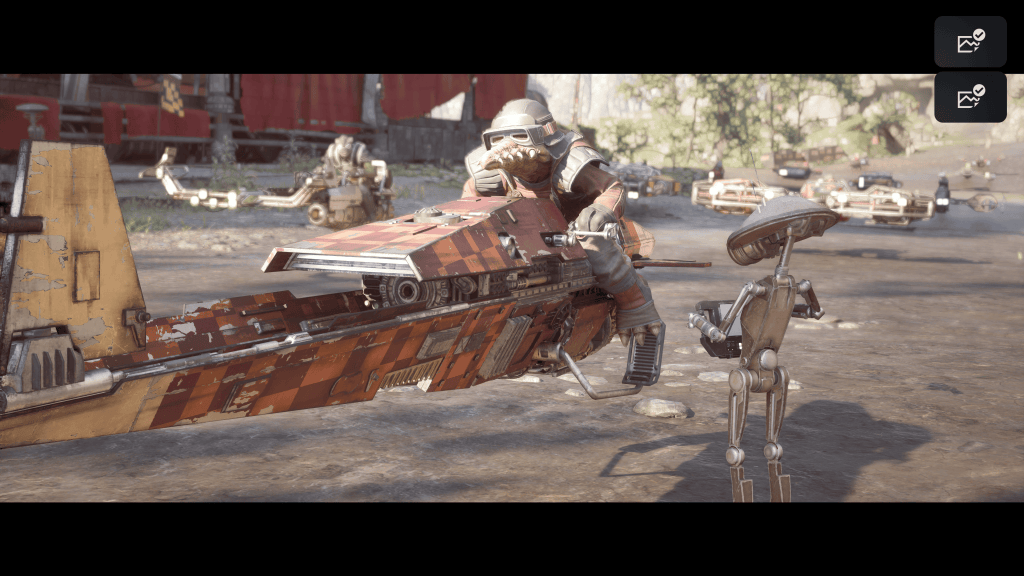


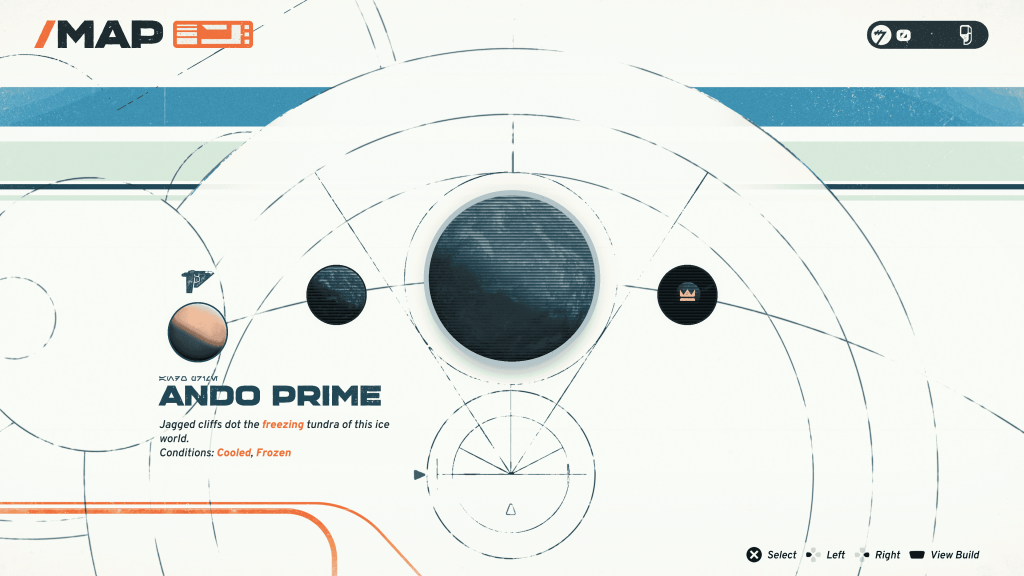
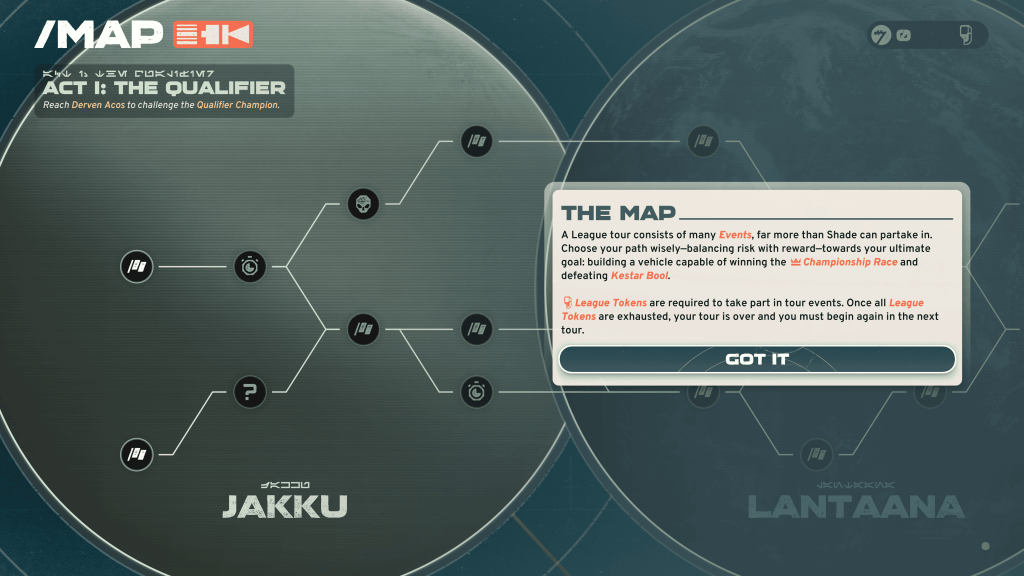
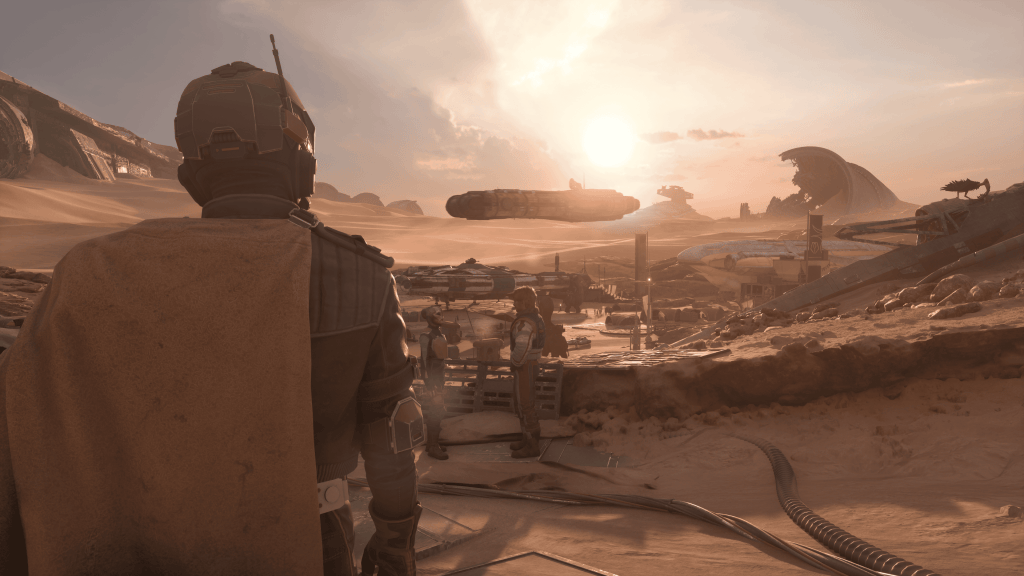
Races took place across Jakku, Lantaana, Crait, and Tatooine as well as many others. The worlds are more than just a backdrop for the races. With each having a unique effect on the race, including overheating, icing over, or corrosive elements. Which all interfered with the controls and made it a challenge to compete. The environments also looked amazing and helped give each planet a unique feel.
Between each planet’s event was the aptly named Paddock, which acted as a small hub where I was able to speak to other racers, fans, and backers, buy parts, and upgrade my vehicle. This calmer area helped to break up the intensity of the races. The Paddock is visited upon arriving at each new world and is no longer accessible once starting the first race on the planet.
Alongside the campaign are three additional ways to race. Scenarios are longer challenges that are focused on a particular character, with the starting build designed around their style. When a racer style is unlocked in the campaign, the corresponding Scenario is also unlocked. Arcade offers curated events across different vehicles and locations, challenging players to beat times, unlock new events, and even set records to challenge friends. It is also the home of several podracing challenges that include time trials and specialised events.
Multiplayer is its own beast, with quick races and tours supporting up to twelve players in speeders or eight players in podracers. Cross-play makes it easier to find some fellow competitors. Multiplayer tours carry the build system across six planets, using the initial five races to improve the vehicle before the final championship. I wasn’t able to play enough of the multiplayer to form a decisive opinion, but from what little I did play, it was fun and a reminder of how much I still had to learn as a racer.
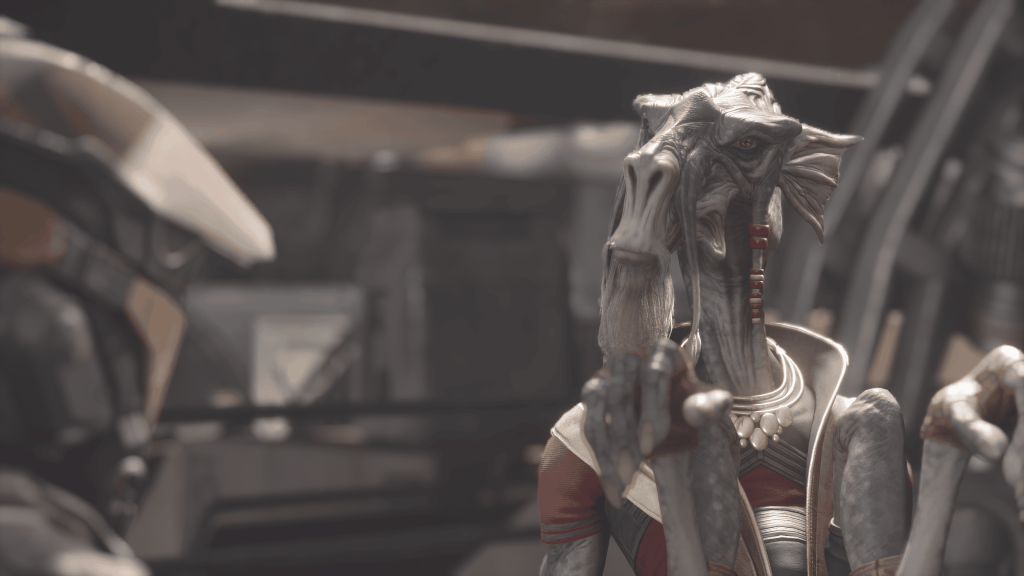
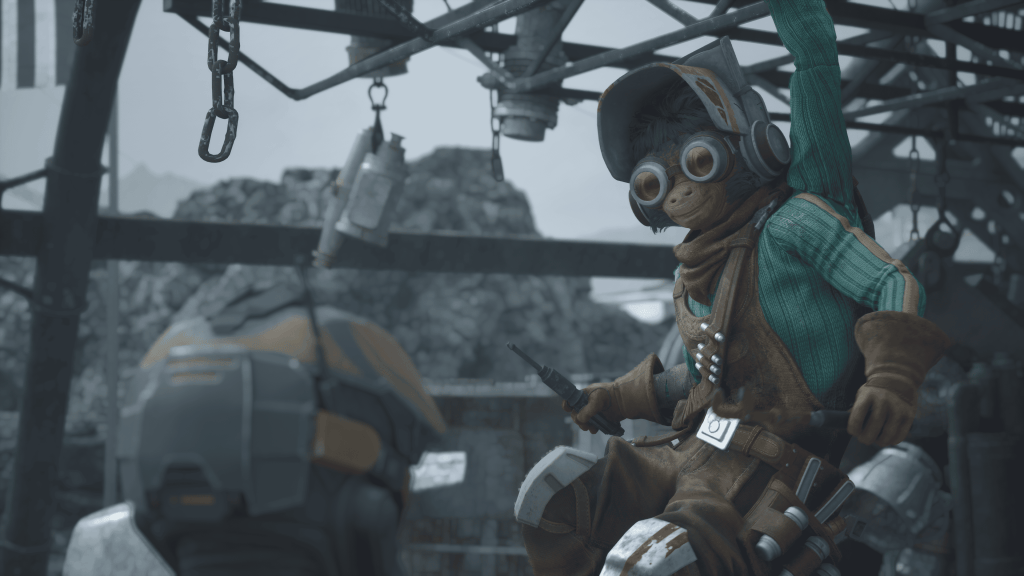
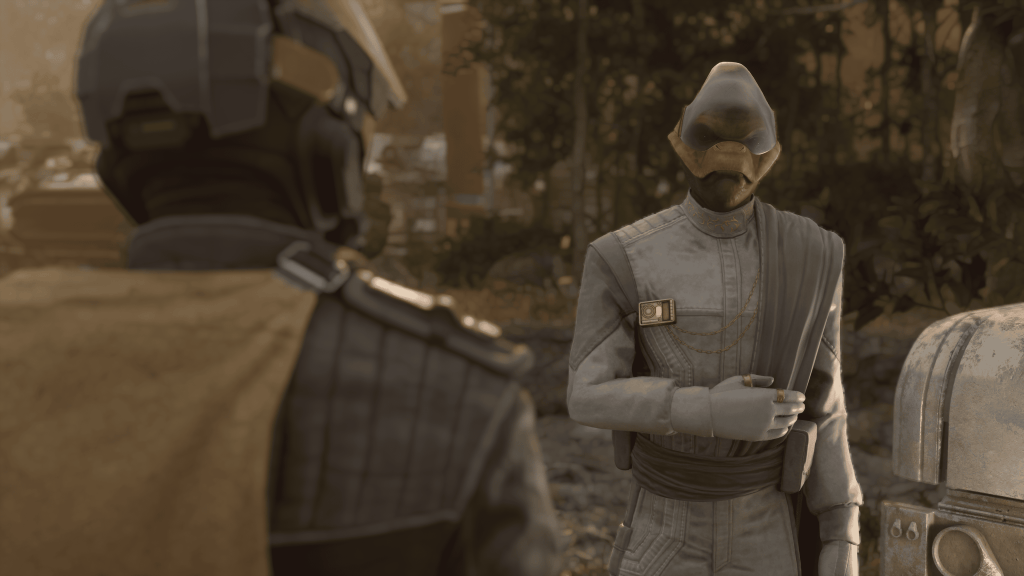


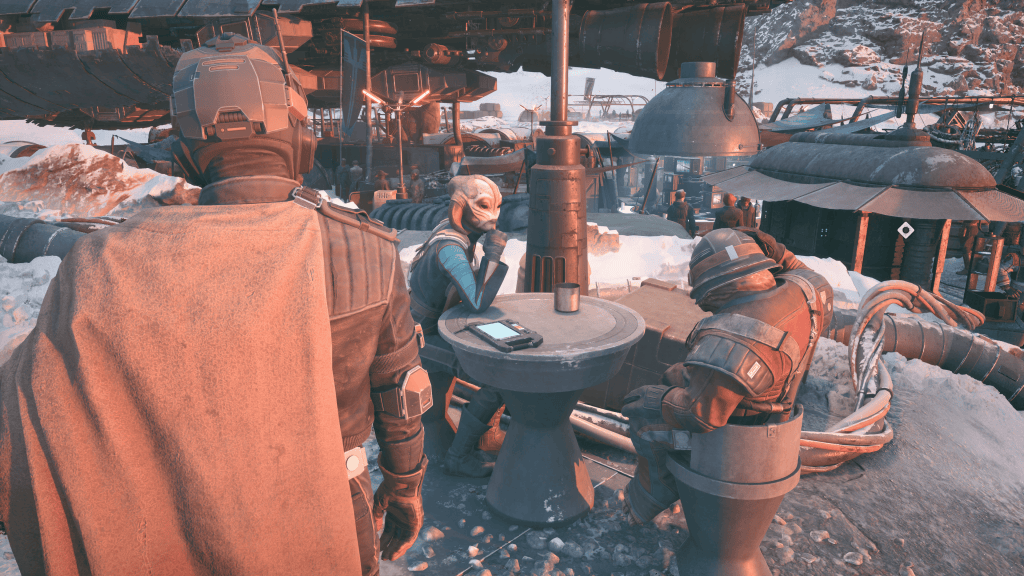
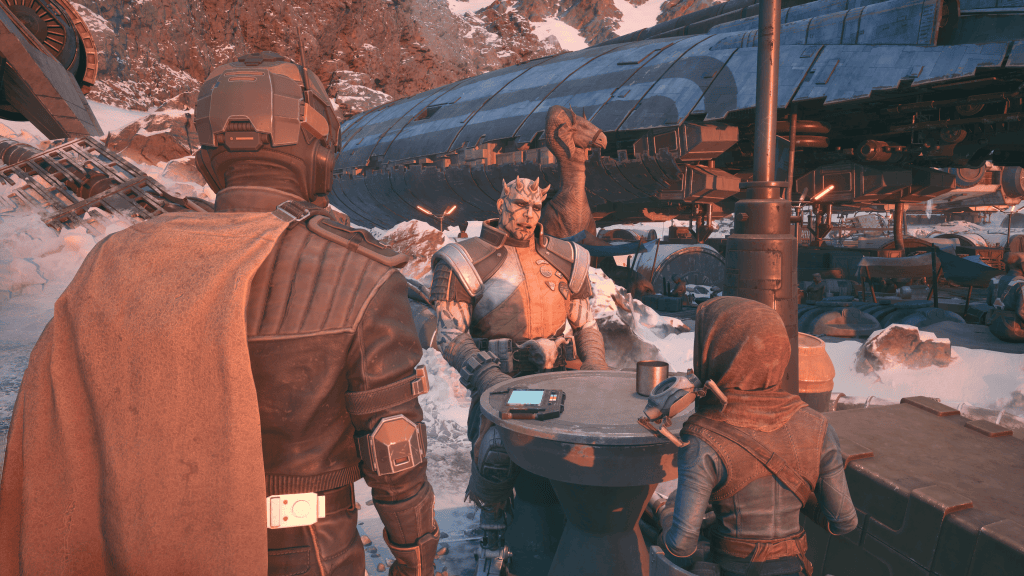
Several memorable characters support Shade throughout the campaign. Darius Pax is a Besalisk Mechanic, lifelong racing fan, and the founder of the Galactic League. He also wants to see the loosening of the grip the Bool family has on the competition. Hibi is an energetic Ardennian Mechanic whose wild ideas often provided surprisingly effective improvements for Shade’s racer. Sebula is a former podracing legend determined not to be left behind, while Kestar Bool is a prideful heir to a powerful family and Shade’s main rival.
These characters help to strengthen Shade’s story and give the campaign some personality between the races. I had a good time interacting with Hibi, Darius, and Sebula, even if the latter was often insulting my driving abilities. Kestar was an effective rival whom I quickly grew to dislike. His willingness to cheat only made me more determined to beat him.
Star Wars Galactic Racer is a fantastic racing game built around a demanding and replayable campaign. The run-based structure, vehicle-building decisions, and constant risk of wrecking out gave each tour weight. The story and rivalry between Shade and Kestar kept me determined to become the new champion of the league. The gameplay reminded me of the original Star Wars racer on Nintendo 64, but with a much deeper progression and customisation. It took time to learn the different racing styles of each vehicle, but the speeder bike remained my favourite. The visuals and the feel of speed worked well together, making the races feel challenging and dangerous, and more rewarding when completing them.
A review code was supplied for the purpose of this review. Read our Ethics Policy.
Star Wars: Galactic Racer
Star Wars: Galactic Racer delivers a demanding, replayable campaign supported by satisfying vehicle customisation and a strong sense of speed. Its runs-based structure made every Tour feel meaningful and kept me coming back for another race.

Jacob Hegarty
I enjoy games, and spending time with my pets, I also love drawing, painting, and being creative.
MORE FROM JACOB HEGARTY →

Comments