Synopsis: Five years later…
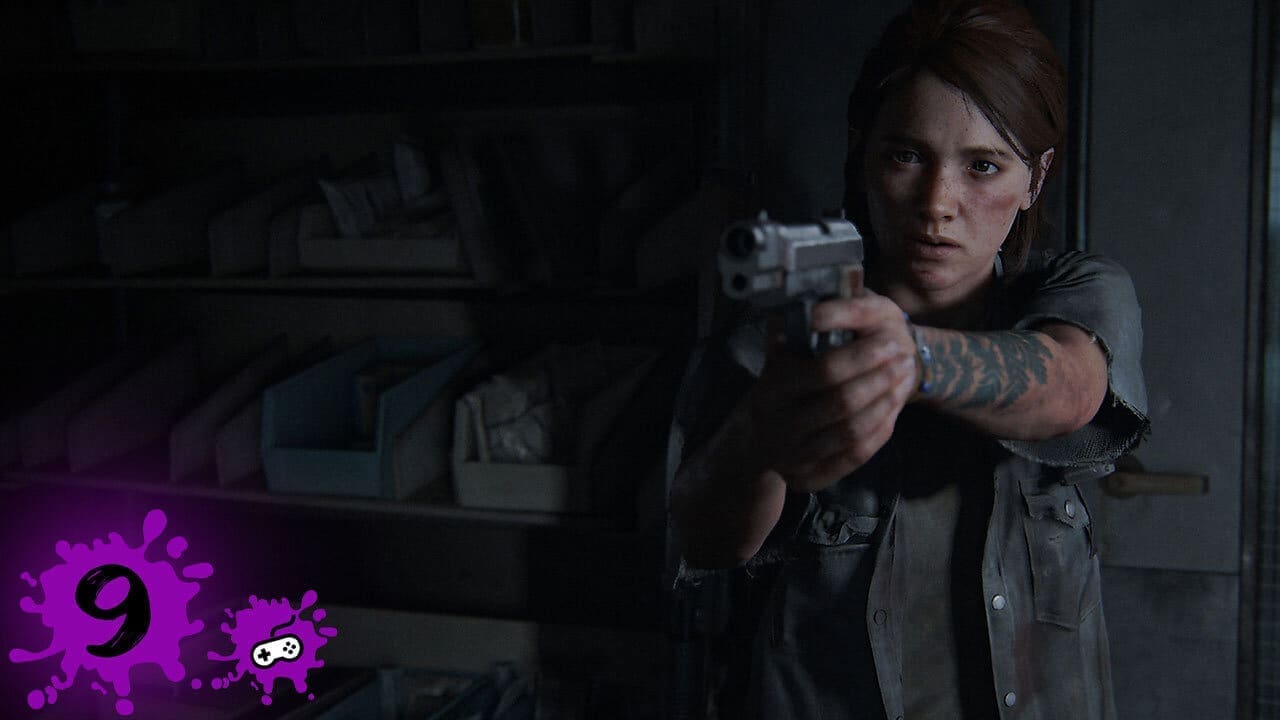
After a deadly journey across post-pandemic USA, Ellie and Joel settle down in Wyoming. Living in a thriving community gives them stability, despite the threat of the Infected and desperate survivors. When a violent event disrupts the peace, Ellie begins a relentless journey for justice. Hunting those responsible, she’s confronted by devastating physical and emotional repercussions of her actions.
Publisher: Sony Interactive Entertainment
Reviewed on: PS4 (Pro unit)
Cast: Ashley Johnson, Troy Baker, Laura Bailey, Shannon Woodward, Ashly Burch, Ian Alexander, Victoria Grace, Emily Swallow, Merle Dandridge, Reuben Langdon, Chase Austin, Chelsea Tavares, Alejandro Edda, Patrick Fugit, Robert Clotworthy, Ashley Scott, Jeffery Pierce, Derek Phillips
Developer: Naughty Dog
Director: Neil Druckmann
Game Directors: Anthony Newman, Kurt Margenau
Narrative Lead: Halley Gross
Writers: Neil Druckmann, Halley Gross, Josh Scherr, Ryan James
The journey The Last of Us Part II takes you on is like nothing you’ve ever played before. Instead of opting for a predictable, unnecessary sequel, developer Naughty Dog and writer/director Neil Druckmann chose to tell a brave story that could only have been told in a video game. It’s brutal, bleak, heartbreaking and at times I straight up didn’t want to play anymore, but the journey is worth pushing through. Ultimately, The Last of Us Part II will be remembered as a narrative-pushing moment for the industry as a whole, even if it’s hit with widely mixed reactions at launch.
The following review contains ZERO SPOILERS for The Last of Us Part II.
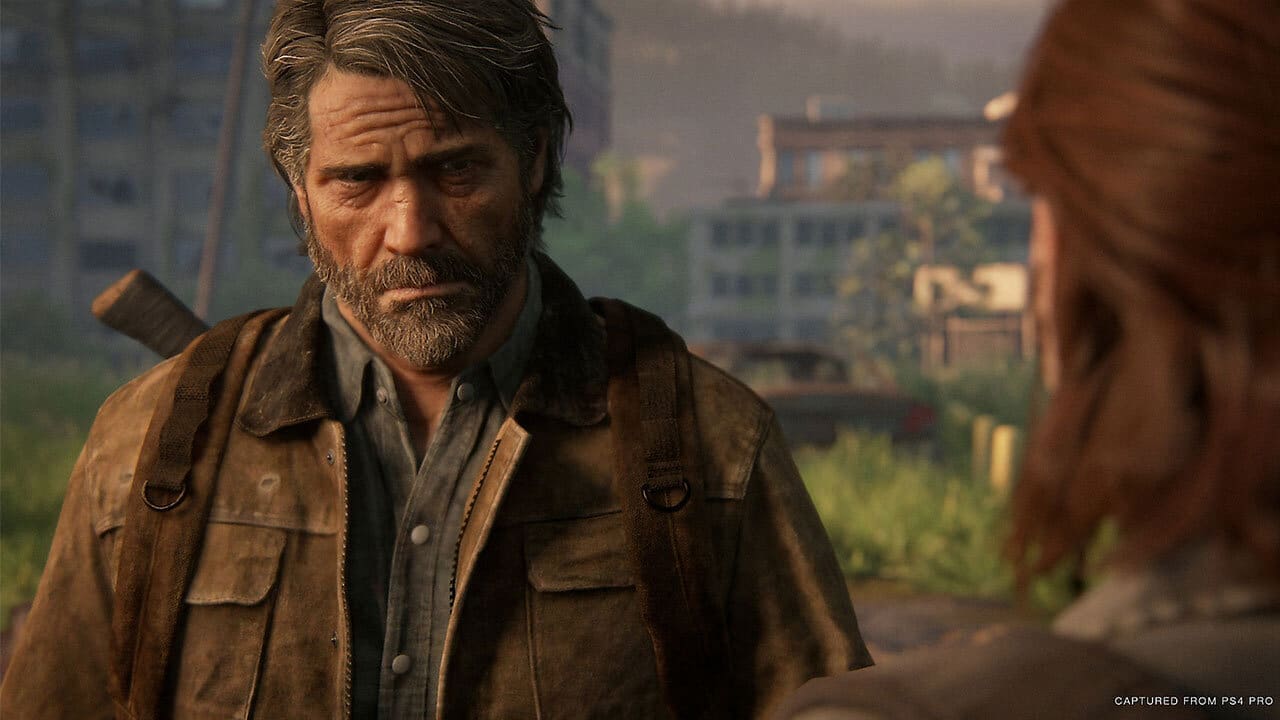
It’s five years after the events of the first game and Ellie is now 19 years old and a strong and integral member of the community in Jackson. Joel is older, softer and has settled into his paternal role over the years. If you wanted to play The Last of Us Part II to simply find out what happened directly after the credits rolled in the first game, there you go. There were five years of peace. But peace always ends eventually.
After a shocking event transpires early in the game Ellie is sent on a revenge mission to Seattle. As she searches for answers she’ll face infected and human enemies from two different factions:
– The WLF (Washington Liberation Front), a military group using heavy weaponry and dogs to track Ellie’s scent.
– The Seraphites, a cult-like group who favour bows and stealthier tactics.
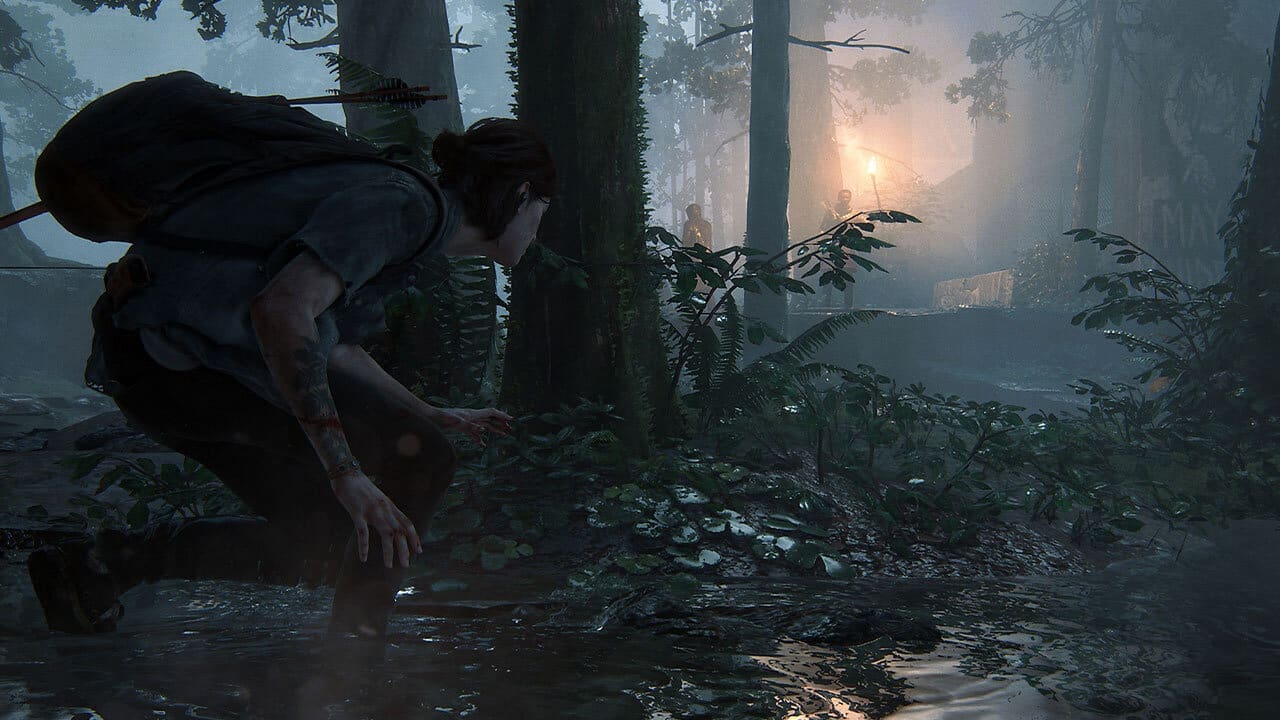
Just like the first game, ammo and resources are limited. Ellie is more agile and now able to jump and go prone. In tall grass, going prone means being nearly invisible and many encounters can be bypassed without combat. Shootouts often feel less engaging and are punishing on higher difficulties. The Last of Us Part II rewards stealth, making direct combat riskier.

Stealth is the most satisfying way to play. Like the first game, you can use traps, bricks, or bottles to lure enemies, and even craft silencers for pistols. Every shot counts. The sequel refines combat, including melee, which feels more visceral and satisfying.
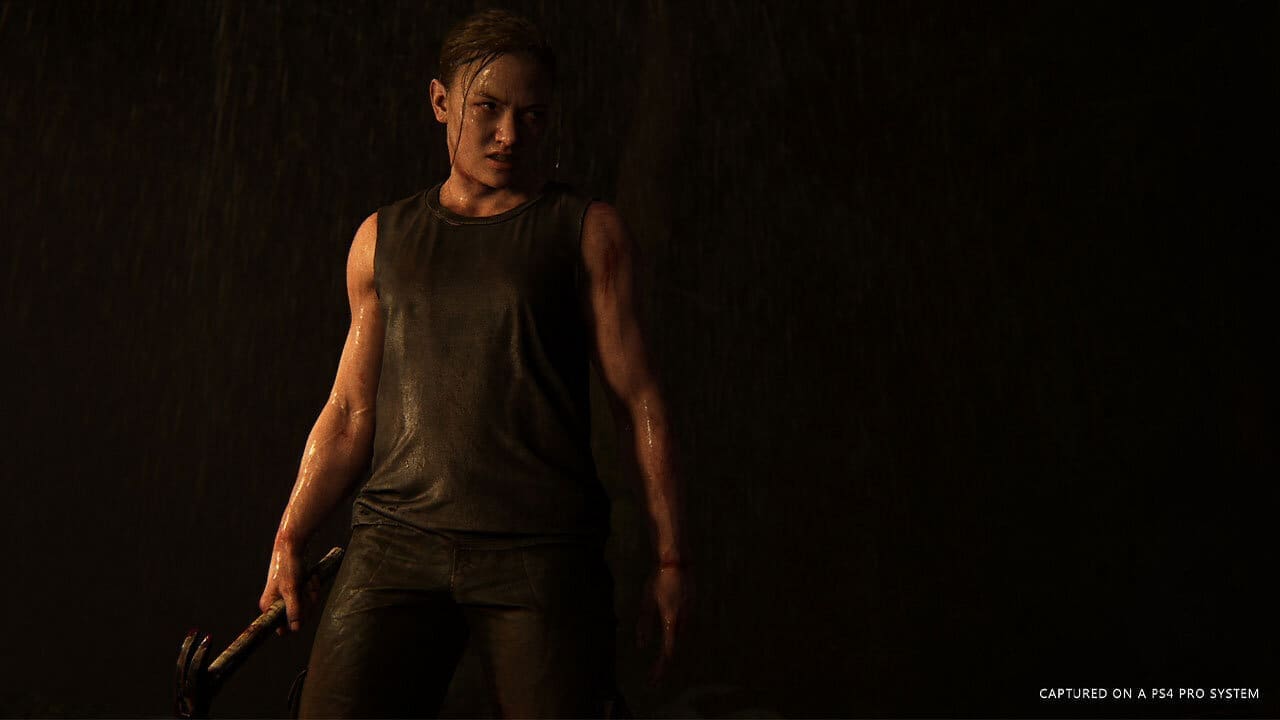
You’ll explore buildings scavenging materials, ammo, and collectibles. While rewarding, the rhythm of scavenging followed by combat sections can become repetitive, especially in the second half of the game. Some encounters feel unnecessary and drag down pacing. At around 26 hours for completion (20 with minimal exploration), the game feels longer than needed.

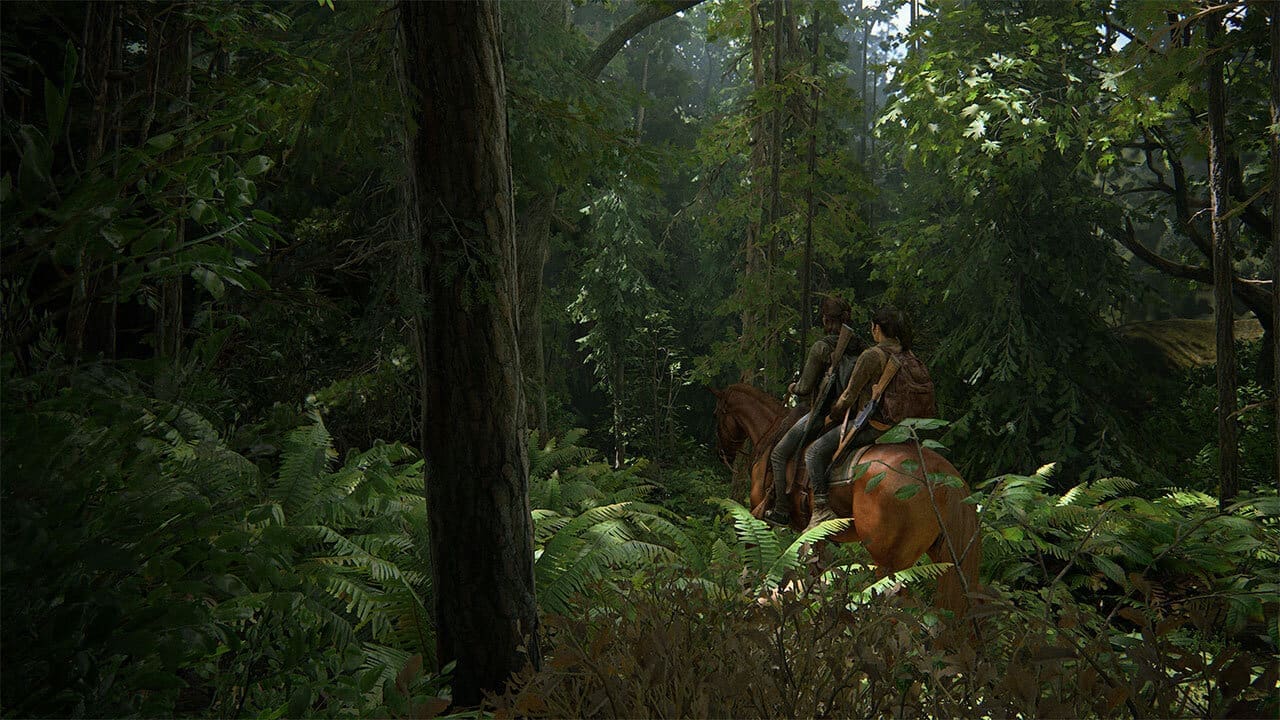
Despite being released before next-gen hardware, The Last of Us Part II delivers visuals and scale that feel ahead of its time. From character detail to dense environments, it’s an impressive technical feat, especially on PS4 Pro with HDR. Load times are near-instant, showcasing incredible optimisation.
The cast is diverse and more dynamic than the first game. Ellie’s relationship with Dina is central to the story, and the prominence of a queer romance in such a major release is worth highlighting.
READ THIS: [SPOILERS] THE LAST OF US PART II – BRUTALITY, REVENGE & WHY THE ENDING WORKS
The story is super-bleak and at times not “fun” to play — not due to gameplay, but because of its emotional weight. Like films such as Hereditary, it can be uncomfortable but unforgettable. By the credits, you’ve endured a harrowing journey. With no player choice over the characters’ decisions, you’re a passenger on a carefully crafted ride.
Combat refinements make encounters more engaging, but too many battles in the latter half kill pacing. Still, the narrative drives you forward, offering something only games can deliver: a generation-defining story that will be remembered.
The Last of Us Part II code provided for review