Synopsis:
Race through the ultimate street-racing scene at dizzying speed! Win and build the car collection of your dreams. Pick an event, choose a lineup of cars from your garage, and start racing for infamy in the first mobile Forza game.
Publisher: Xbox Game Studios
Reviewed on: iOS (iPhone 11 Pro)
Also available for: Android
Developer: Turn 10 Studios
Creative Director: Dan Greenawalt
Production Director: Michel Bastien
Engineering Director: Daniel Adent
The Forza series is fast, flashy, and fun. Forza Street is flashy. It’s neither fun nor particularly fast. In fact, it’s not really Forza either. This free-to-play mobile game feels more like an NFS: Underground attempt—or a bad Fast & Furious film. It’s not a fun video game, and I’m disappointed it has the Forza name attached to it.
I spent a week playing Forza Street and slowly but surely made my way through the first chapter of three in the atypical street-racer story. Honestly, I wanted to stop earlier than the end of Chapter One, but I was committed to seeing if there were new tracks or race types down the line. There weren’t. And herein lies the major problem with Forza Street: it’s simply too repetitive.
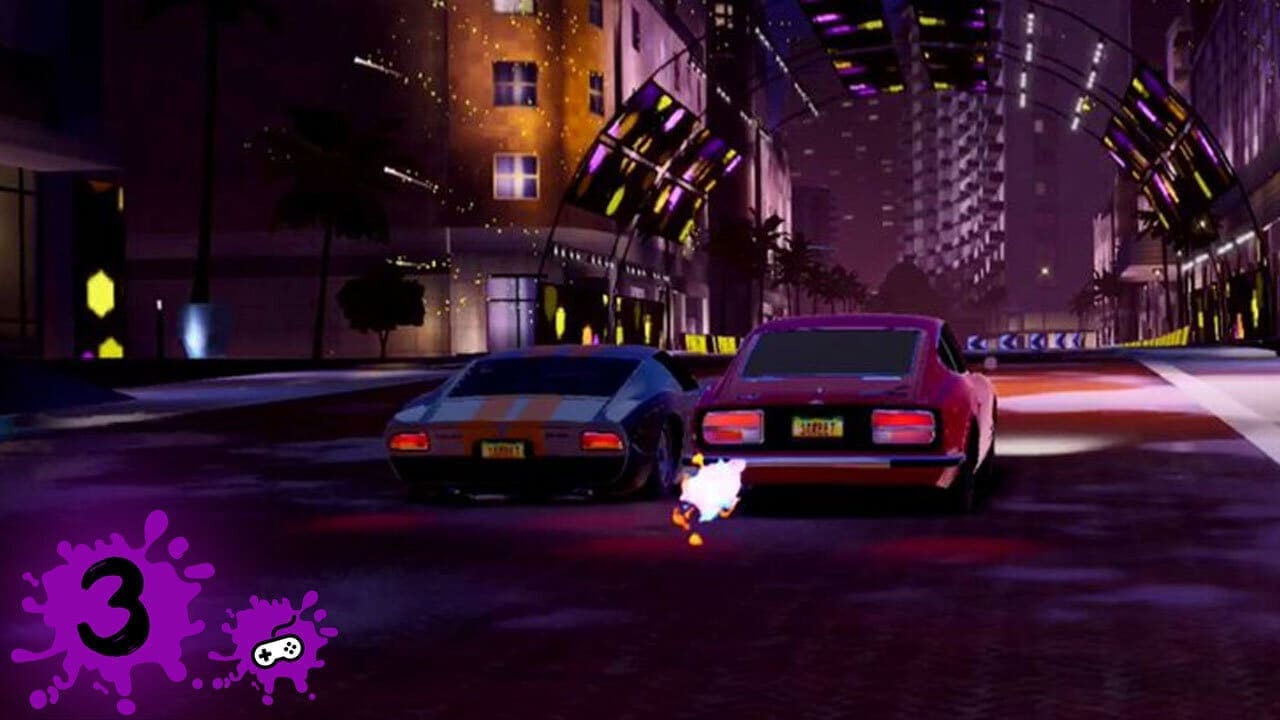
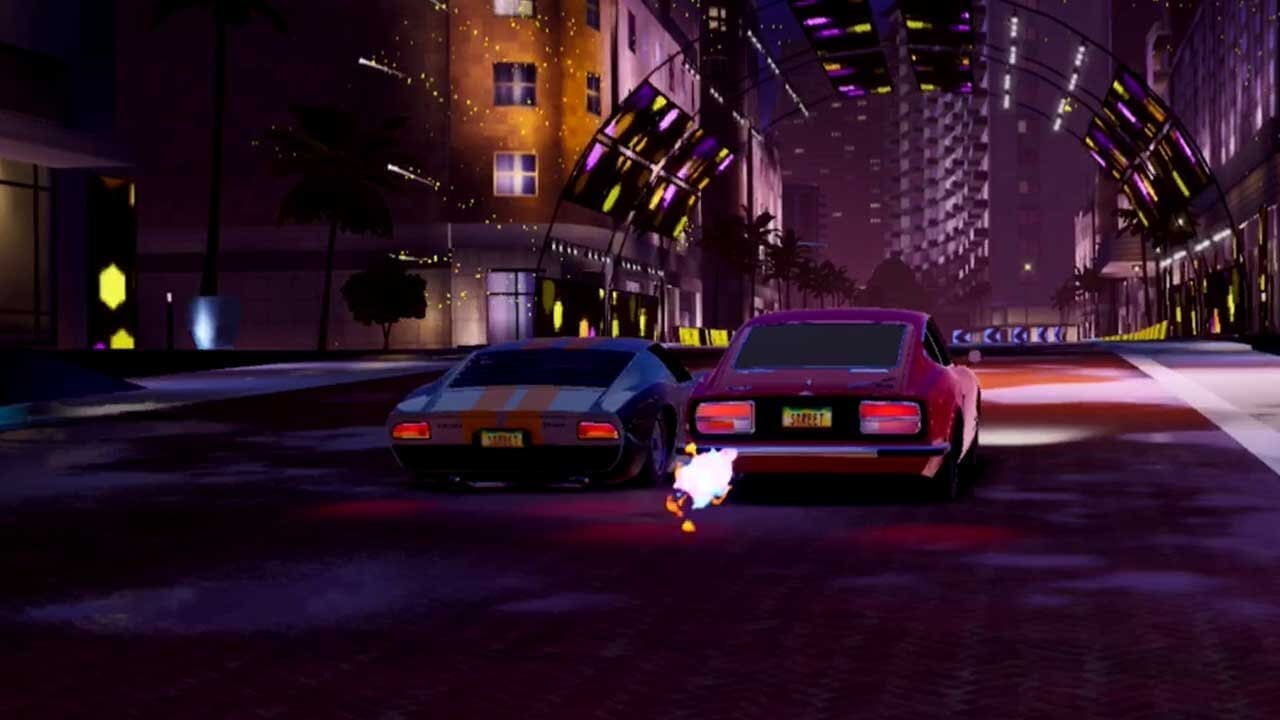
Each race looks and sounds fantastic—undeniably so. From the engine roars across muscle and sports cars to the flashy neon lights in nighttime races, this is one of the best-looking mobile racers I’ve played from a technical point of view. However, the racing itself grows very tiresome.
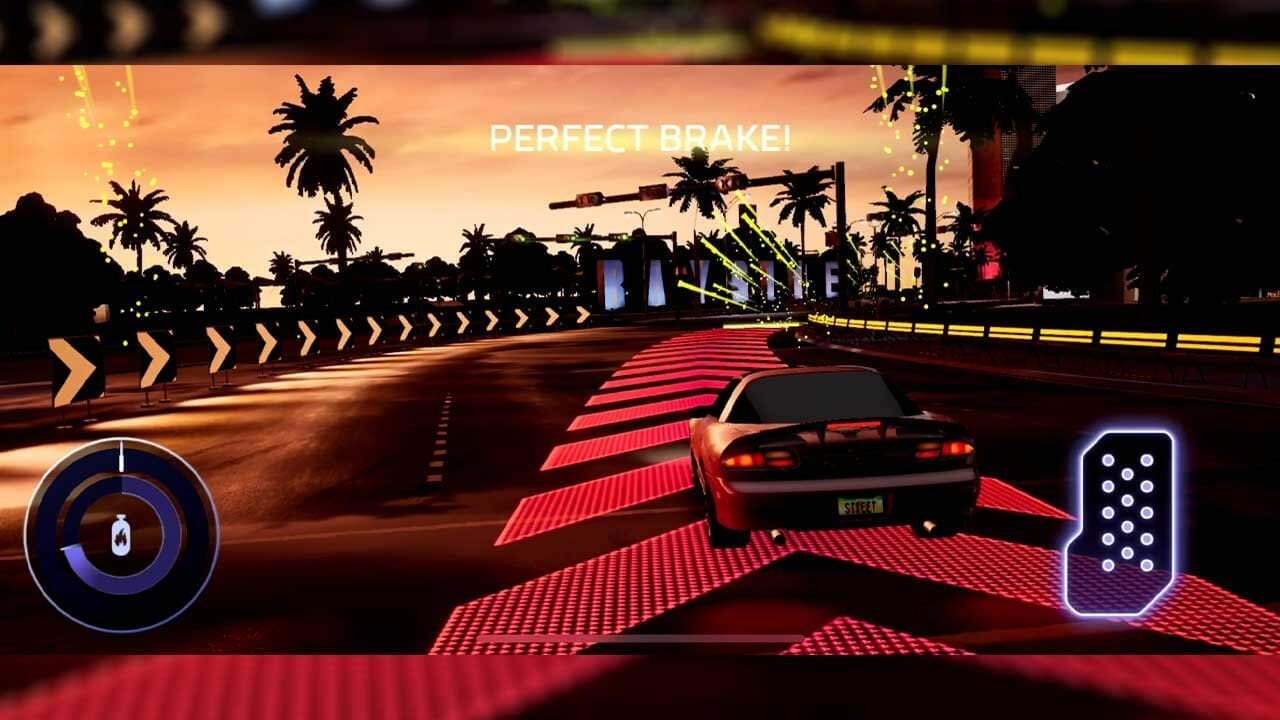
Perfect brake in my big red car! — image captured by author
On the right side of your screen is a pedal. Hold to accelerate. When you reach a corner, release in the green zone and tap again at the perfect point on exit. Beyond deciding when to use your NOS (hint: on the straights, not into corners), the rest of the race is largely automated. Each track has two corners; although they’re placed at different points along the track, they quickly meld together.

What does my 21K CR do?! — image captured by author
With each race lasting under a minute, the design is clearly built for on-the-go play. But where there could have been a mix of short, simple races and longer, more complex ones, there’s only the basic 1v1 and a handful of tracks.
Online races are slightly more exciting, although the bland gameplay remains unchanged—and again, it’s just you versus one other player on the same limited set of tracks.
As you race, you unlock new cars and, of course, ways to tune and upgrade the ones already in your garage. There are plenty of microtransactions to speed this up, though I never felt they were necessary. I did spend $5 on a few car tokens to spin a few prize wheels and see what I could unlock—and was left racing the same cars I already had.
Each time you unlock a new car using an earned or purchased token, you spin a wheel and get a car ranked one, two, or three stars. I never got a three-star car. More frustrating: even after you’ve unlocked a car on the wheel, you can still land on a duplicate. While that does reward you with parts needed to upgrade and tune, it means your odds of scoring rarer cars never actually improve.
There are many in-game currencies to keep track of, and I can’t honestly say I understand them all. Some unlock cars; some buy parts. I can spend real money on some but not others. Every couple of days there seems to be a new bargain pack with car tokens, currencies, and energy to keep me racing. It’s a lot. The economy is more complicated than the gameplay.
Forza Street is enjoyable for its first few races as you appreciate how it looks and sounds. However, boredom quickly sets in no matter how much you enjoy the production values. Given how good the coat of paint is on the outside, it’s a pity there wasn’t more time spent designing the interior.