
Explosion Network may receive a commission when you purchase something via a link on our site
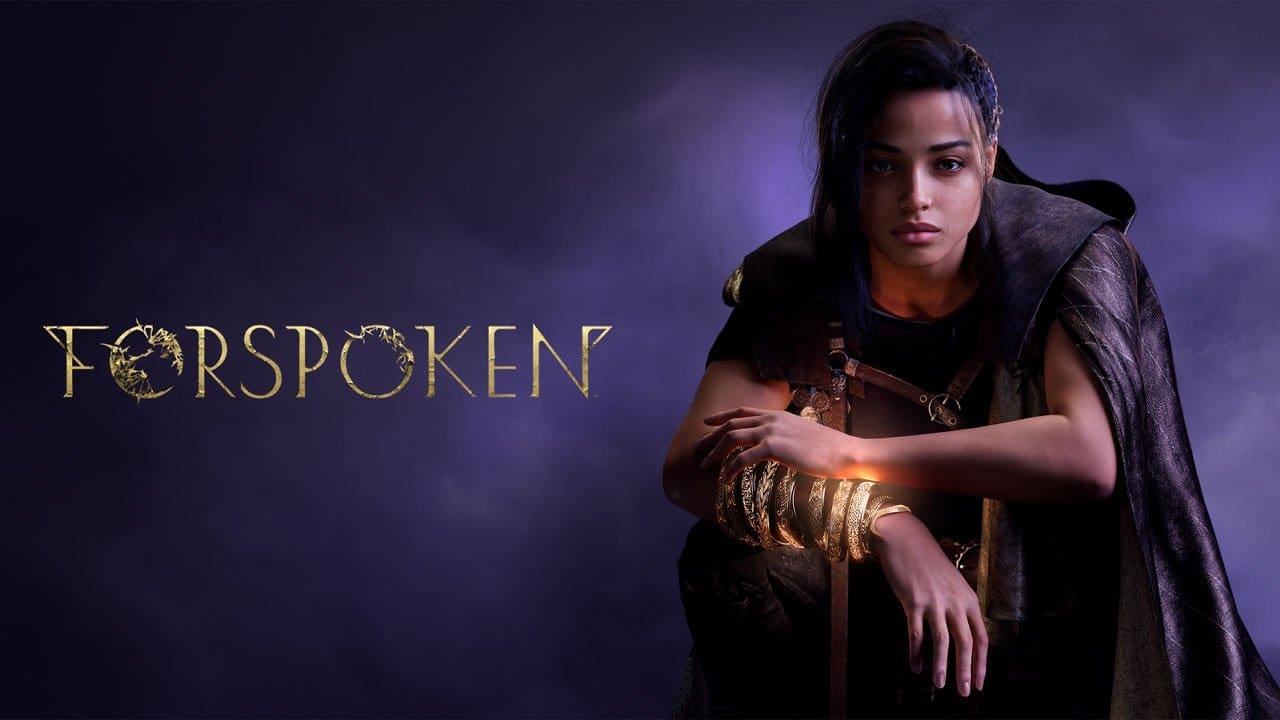
Synopsis: Forspoken follows the journey of Frey, a young New Yorker transported to the beautiful and cruel land of Athia. In search of a way home, Frey must use her newfound magical abilities to traverse sprawling landscapes and battle monstrous creatures.
Publisher: Square Enix
Reviewed on: PlayStation 5
Also available for: PC
Cast: Ella Balinska, Jonathan Cake, Monica Barbaro, Anthony Skordi, Tajnae Turner, Keala Settle, Janina Gavankar, Pollyanna McIntosh, Claudia Black, Kendal Rae, Debra Wilson
Developer: Luminous Productions
Director: Takeshi Aramaki; Takefumi Terada (co-director)
Writers: Todd Stashwick, Allison Rymer, Gary Whitta, Amy Hennig
Battle Director: Takayuki Kanbayashi
Technical Director: Hiroshi Iwasaki
When I’m running through grass fields, up rocky mountain faces, or leaping between small trees to meet enemies head-on, I’m having a blast playing Forspoken. It’s the spell-casting game released at the start of 2023, where the most debated element is the internet-ruled “cringe” dialogue. Understanding this is a game about magic and casting spells is the first part of liking it. It’s not a third-person action game about smashing one button, and it’s not a third-person shooter where headshots make the difference. You’ll get the most enjoyment by unlocking and exploring the different types of magic in the heat of battle, switching between offensive and defensive spells, and discovering an enemy’s weakness. Even if I don’t think the dialogue is all that bad, the narrative is weak, predictable, and never as engaging as the fictional history of Athia the characters are happy to tell you about.
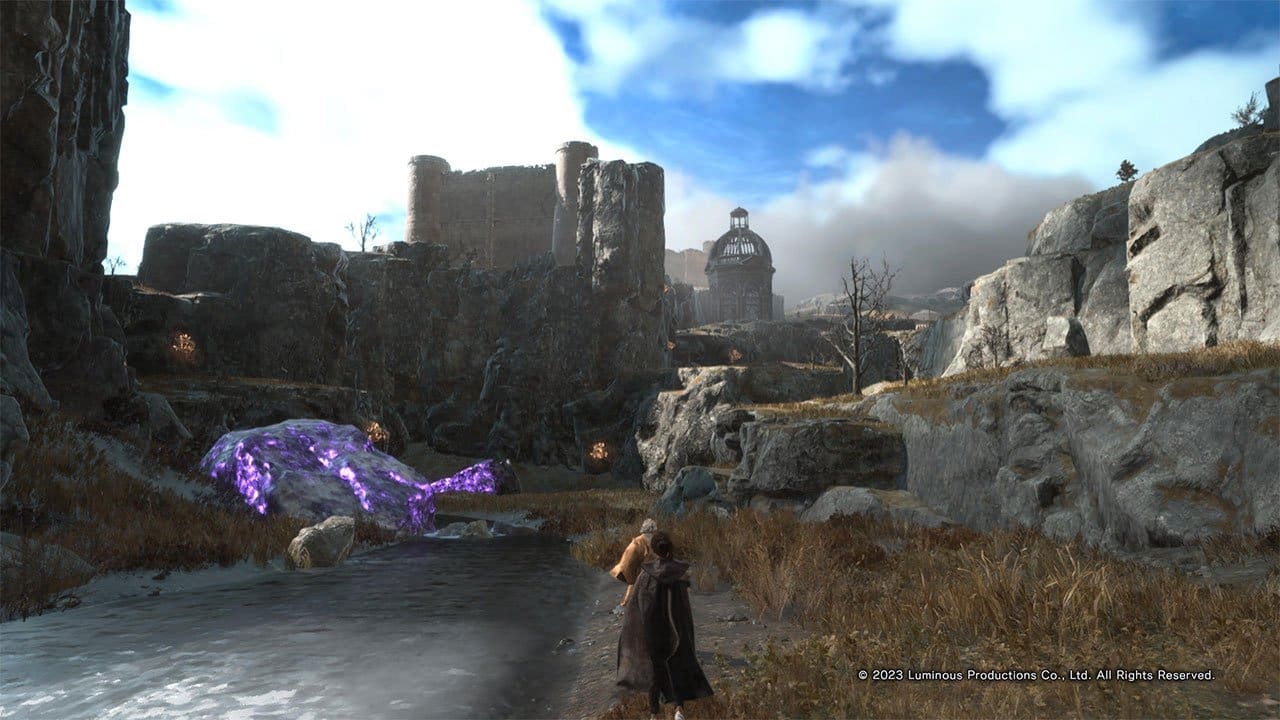
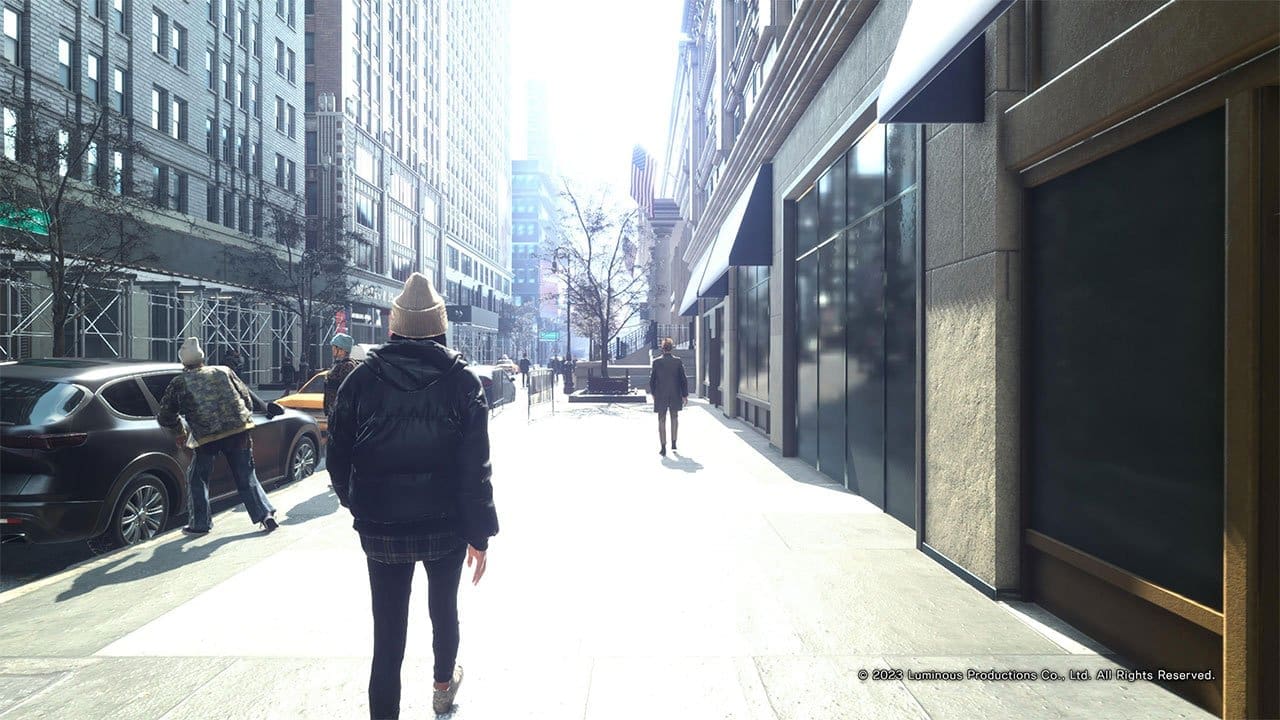
Frey Holland has been in and out of foster homes her whole life, she’s been arrested for theft multiple times, and she is desperately seeking a way to escape New York City and find a better life. Part of her wish comes true when, one night, she finds a bracelet and is whisked away to the land of Athia. The bracelet talks—only she can hear its voice inside her head—and between a bit of the banter that’s made the rounds on social media, she discovers she can do magic and decides to call the voice “Cuff.” Taking cues from the very book you can interact with inside Frey’s apartment, she is Alice through the looking glass. In a land very different to her own—with a dragon greeting her, monsters on every pathway, and only one town with citizens—Frey is, at first, held in court (but they don’t threaten to cut off her head). Outside the walls of Cipal, the final city for the remaining humans in Athia, a blight has spread that Frey dubs “the Break,” which turns whatever it touches into more monsters—except Frey. It’s slowly spreading and will surely envelop Cipal as well unless Frey wants to help out. Not to spoil anything, but Frey doesn’t want to help. Her goal of getting home aligns with assisting those of Cipal for a time, but her end goal isn’t to be a hero.
Forspoken is similar to the 2008–2014 Square Enix era, where you’d get odd and not always fantastic but well-meaning—and at least interesting—games like The Last Remnant and NieR. The world of Athia is exciting, with a history of godlike creatures called Tantas that once looked after the citizens; there’s rugged, beautiful, fantastical terrain you can picture—once filled with Athians travelling on horseback and playing in fields. The key supporting characters are similarly intriguing, but they don’t make up for the sluggish story. The open-world design doesn’t help either, with the majority of the side-quests—here, “detours”—being filler, and the mixture of other activities you can find while exploring not being worth your time beyond the EXP to build up Frey’s skills ahead of your next big fight.
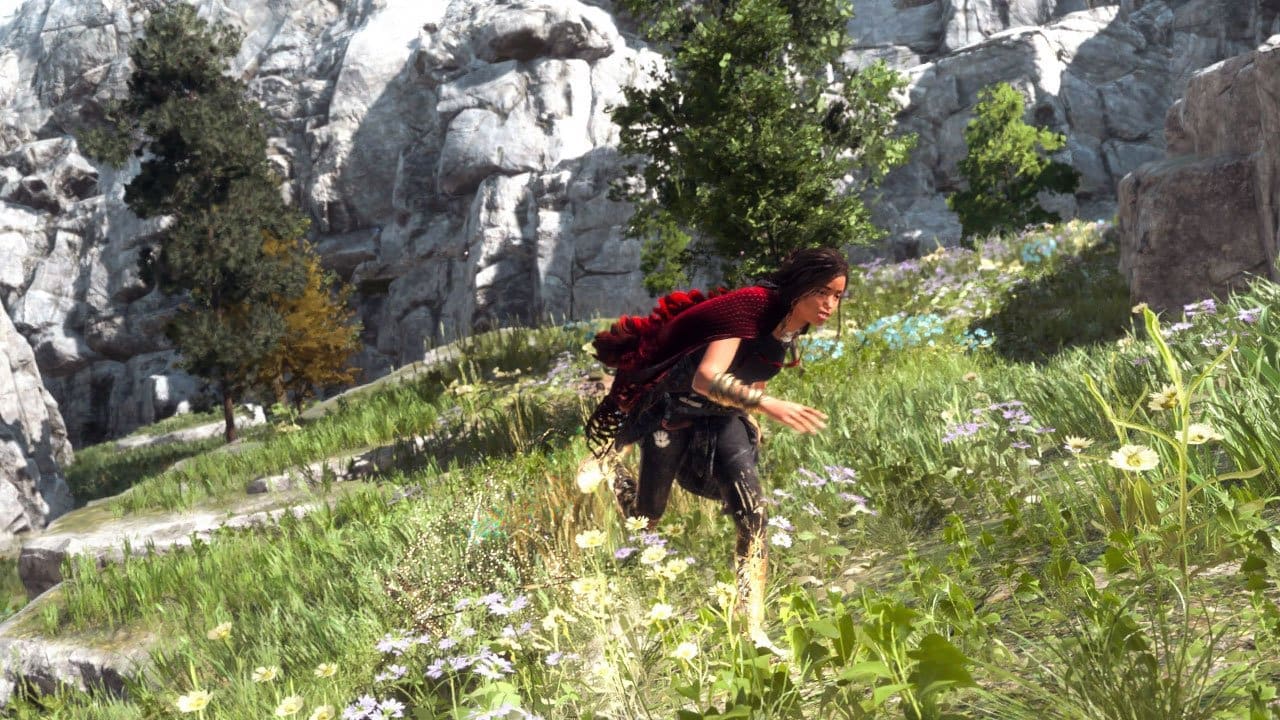

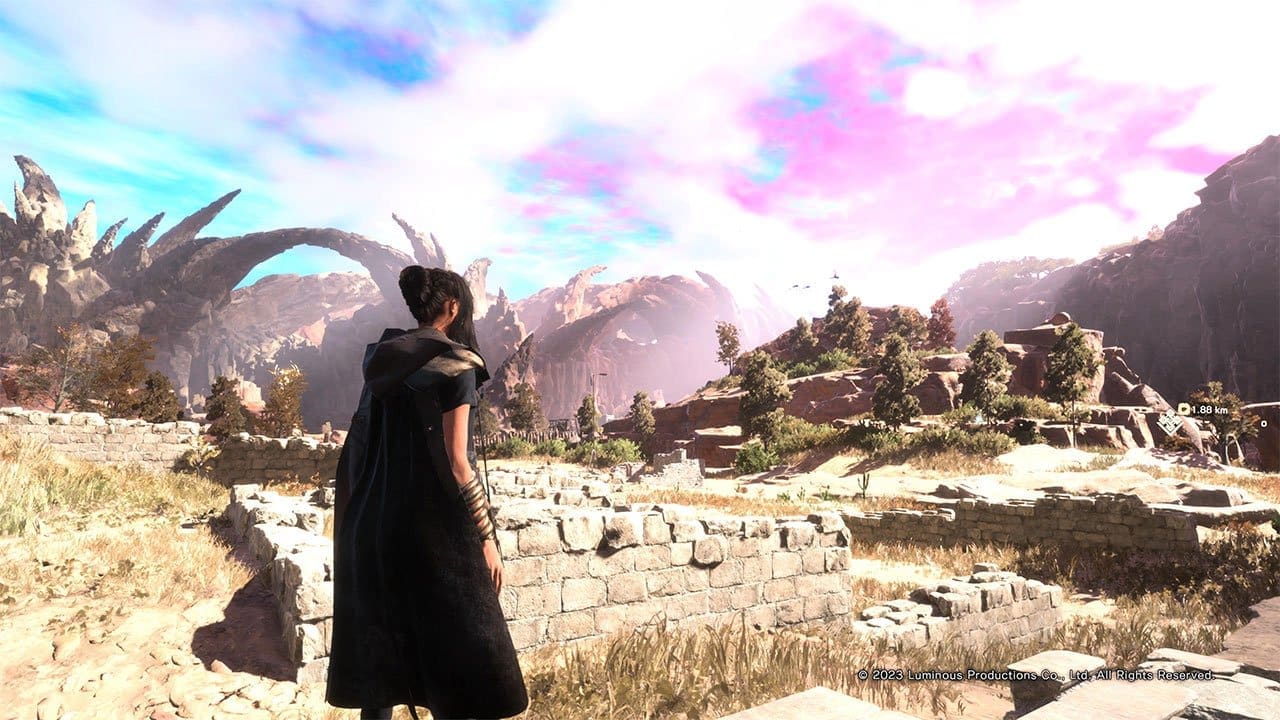
Combat is where Forspoken excels. When you’ve played long enough to unlock all four sets of spell types Frey can control, there’s plenty of room to build explosive action scenes. I’d often take on a mini-boss by summoning two fire soldiers to my side, switching spell types to conjure a plant that attacks enemies, then sliding into a water-based set where Frey’s attacks on the same enemy deal more damage over time. I had access to a special tornado attack that would draw in all the enemies in the area for an insane amount of AoE damage. You can sometimes be less involved in the quick-select menus—switching spells and button-smashing your way to victory against weaker enemies—but Forspoken invites you to make the most of all the spells in Frey’s arsenal; if you don’t, combat will feel flat and tedious.
Levelling up Frey gives you more mana to spend on upgrades to spells you’ve already got or to unlock new ones. You can also build Frey’s strength and tailor her to your preferred playstyle via her cloak and necklace. You’ll earn more by participating in side-missions and exploring Athia, and all can be upgraded to increase Frey’s overall damage, health, and slot-in special abilities. You can also paint Frey’s nails in specific colours and designs to activate passive bonuses—an inspired touch I don’t recall seeing used as a mechanic before.
I tried playing Forspoken on the “visual” mode, but the speed of Frey—combined with the number of on-screen effects and enemies—made this nearly impossible for me. I wouldn’t play on less than performance mode, and I ended up playing most of the game with 120 FPS enabled, letting me see more of the action in combat for an acceptable hit to visuals. Forspoken can be a pretty game, but it’s worth the slight loss so Frey doesn’t feel like she’s moving as slowly as a boulder.
More than a few times, I’d find myself opening my phone during cutscenes, with complete disinterest in what was happening between the moments where I had control of Frey. Although somewhat predictable, the story’s direction is put together well enough, but the game often feels oddly paced—like it’s the hundredth version of the script pulled together at the last moment. Deep underneath, there’s interesting lore and directions a potential sequel could go if Square Enix were to make one. However, across the 12–14 hours I played—working through the core missions and a handful of extras—the combat kept me engaged amid moments where the story made me want to nod off.