Explosion Network may receive a commission when you purchase something via a link on our site

Synopsis:
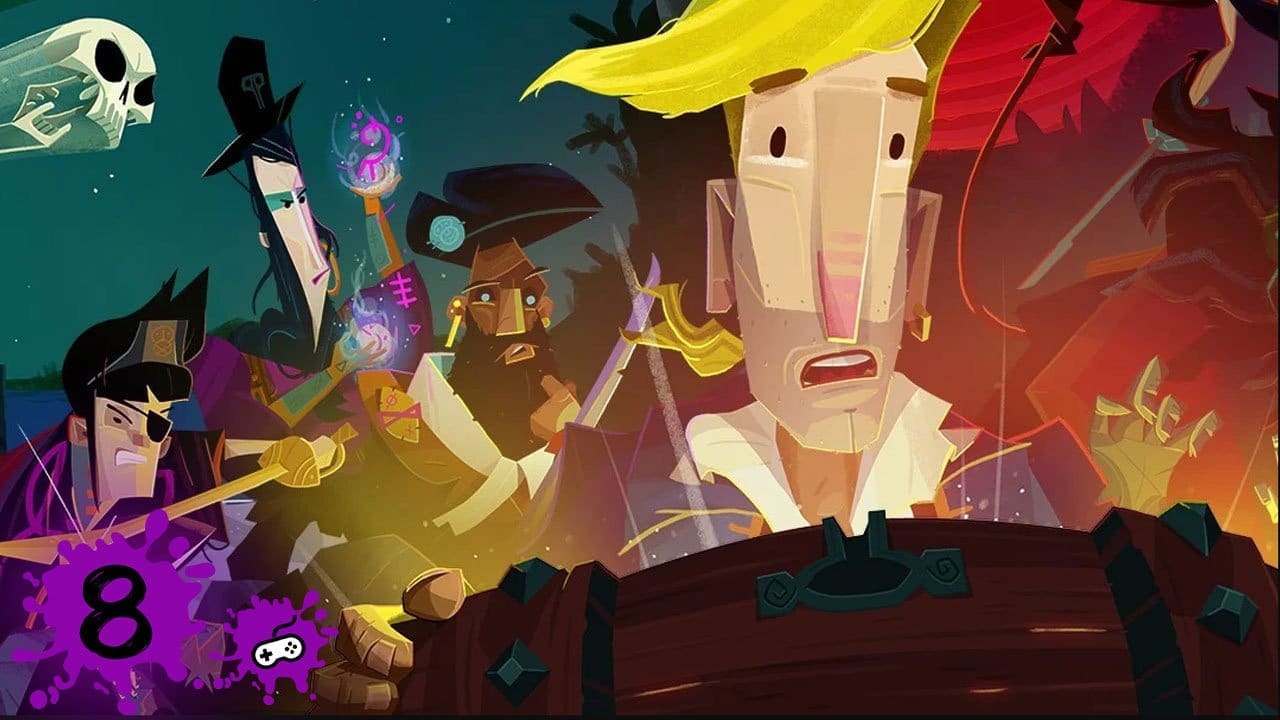
Return to Monkey Island is a witty, heartfelt homecoming for creator Ron Gilbert—continuing the legendary point-and-click adventures with modern comforts and a playful jab of nostalgia.
Publisher: Devolver Digital
Reviewed on: PC
Also available for: Nintendo Switch
Cast: Dominic Armato, Alexandra Boyd, Jess Harnell, Denny Delk, Alix Wilton, Annie Q, LeQuan Bennett, Neil Ross, Gavin Hammon, Leilani Jones Wilmore
Developer: Terrible Toybox
Designers: Ron Gilbert, Dave Grossman
Writers: Dave Grossman, Ron Gilbert
Art Director: Rex Crowle
Music: Michael Land, Peter McConnell, Clint Bajakian
Before Assassin’s Creed hoisted its black flag, before Skull and Bones slipped schedules, and even before Sid Meier’s Pirates!, Ron Gilbert gave swashbuckling a flamboyant, razor-sharp twist with The Secret of Monkey Island. That classic was a fixture in every PC shop I visited growing up, and now—decades later—I get to sail again with everyone’s favourite mighty pirate. Return to Monkey Island gives both new and old players a chance to set course for the Caribbean, honouring nostalgia while pushing its characters in thoughtful new directions.
The framing is clever: an older Guybrush Threepwood recounts to his son how he finally uncovered the Secret of Monkey Island. If you’re new, a scrapbook recap and smart early dialogue bring you up to speed without homework. Veterans will feel a twinge of déjà vu as familiar locations reappear—with crucial changes. The pirate leaders are a new-guard clique, Stan’s pre-owned ship lot is shuttered, and Elaine’s home is now a piracy museum. The game borrows the structure of the 1990 original, then uses it to comment on a world (and a genre) that’s moved on. Guybrush and his spectral nemesis LeChuck feel like relics racing to stay relevant.
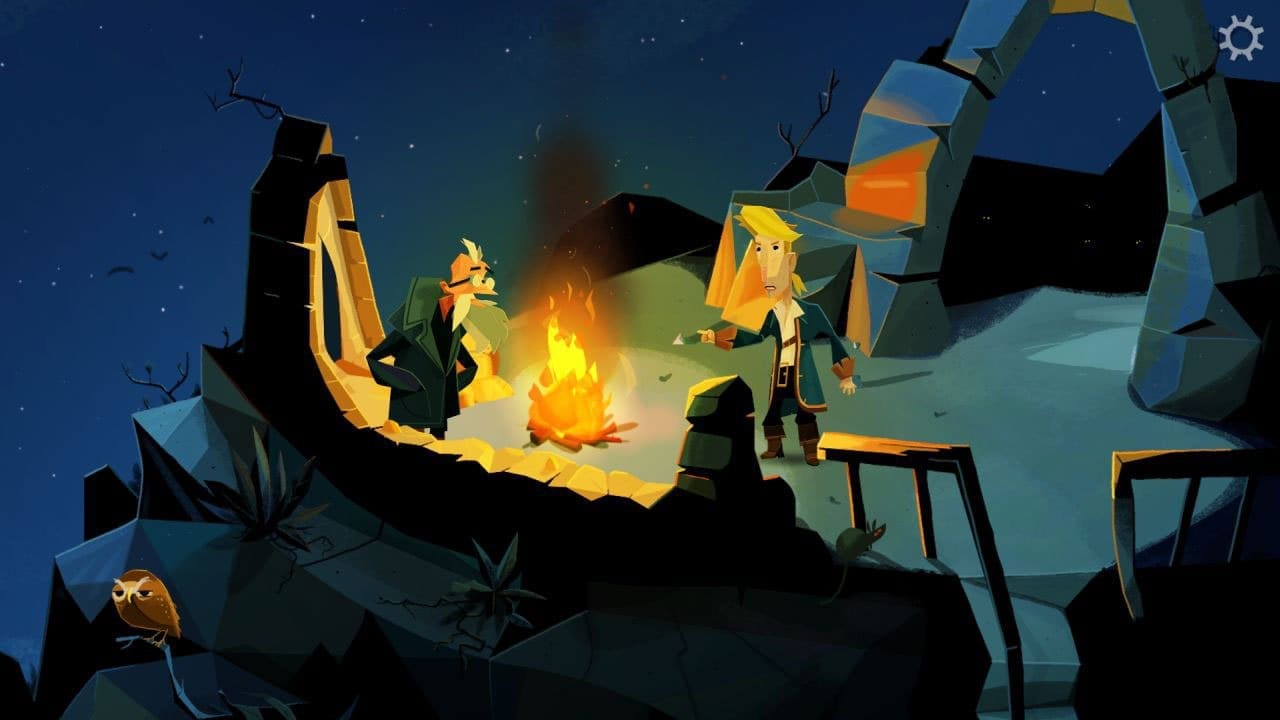
From Melee Island’s new beginnings to the snow-bitten kingdom of Brrr-muda, you’ll solve a broad mix of classic adventure-game puzzles—combining oddities from Guybrush’s bottomless pockets, trading quips, and following a tidy, optional task list to keep you oriented. The prelude has you briefly controlling Guybrush’s son in a theme-park tutorial that gently teaches conversation, inventory, and even the wisdom of saving before you try something… ill-advised. It’s an approachable onramp that primes you for lateral thinking without hand-holding.
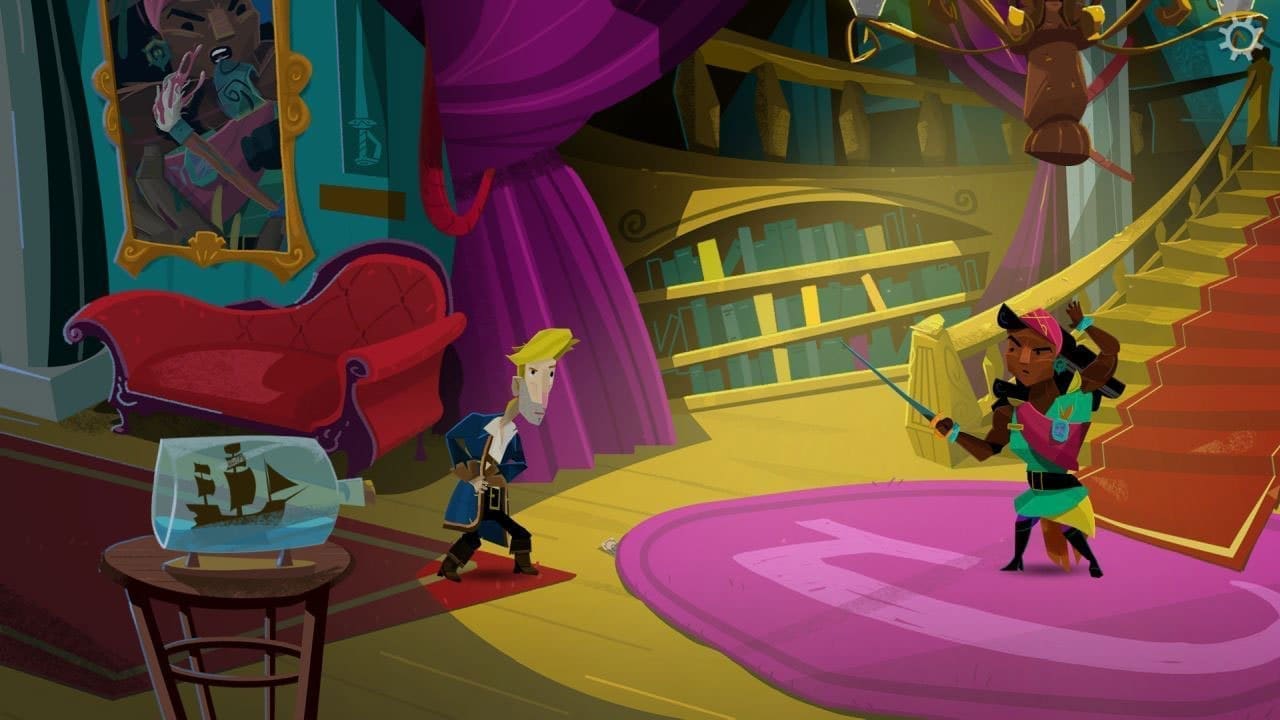
Two difficulty modes meaningfully reshape the journey. Casual trims steps or removes some puzzles entirely so story-seekers can breeze along. Hard restores the full, delightfully knotty chains of cause-and-effect—with extra steps, sly clues, and that satisfying “aha!” snap. Characters even joke about tasks that simply don’t exist on Casual. While the accessibility is great, Hard feels like the “complete” experience; areas feel better used and solutions more characterfully absurd.
Narratively, the writing still sparkles—dry wit, self-aware gags, and affectionate needling of pirate myth. It also pushes Guybrush into murkier waters, exploring how far he’ll go for a win and how thin the line is between his stubborn heroics and LeChuck’s ruthless obsession. The ending leans into the series’ tradition of thought-provoking finales; it won’t land for everyone, and it sidesteps some of the weightier questions it raises, but it’s confidently framed and sure to fuel post-credits debate.
Return to Monkey Island proves the genre’s sea legs are sturdy as ever. Point-and-click adventures don’t have to be inventory-stuffed puzzlers—though they can be, gloriously—and this one threads that needle with charm, approachability, and heart. Whether you’re here for the gags, the riddles, or the reunion, this voyage is absolutely worth charting.