
Venba Review – Narrative cooking game that packs more than a slight punch
<p class="">As the credits rolled for Venba, I began thinking about how this would be someone's favourite game of 2023 and maybe one of their favourites of all time.</p>

Synopsis:
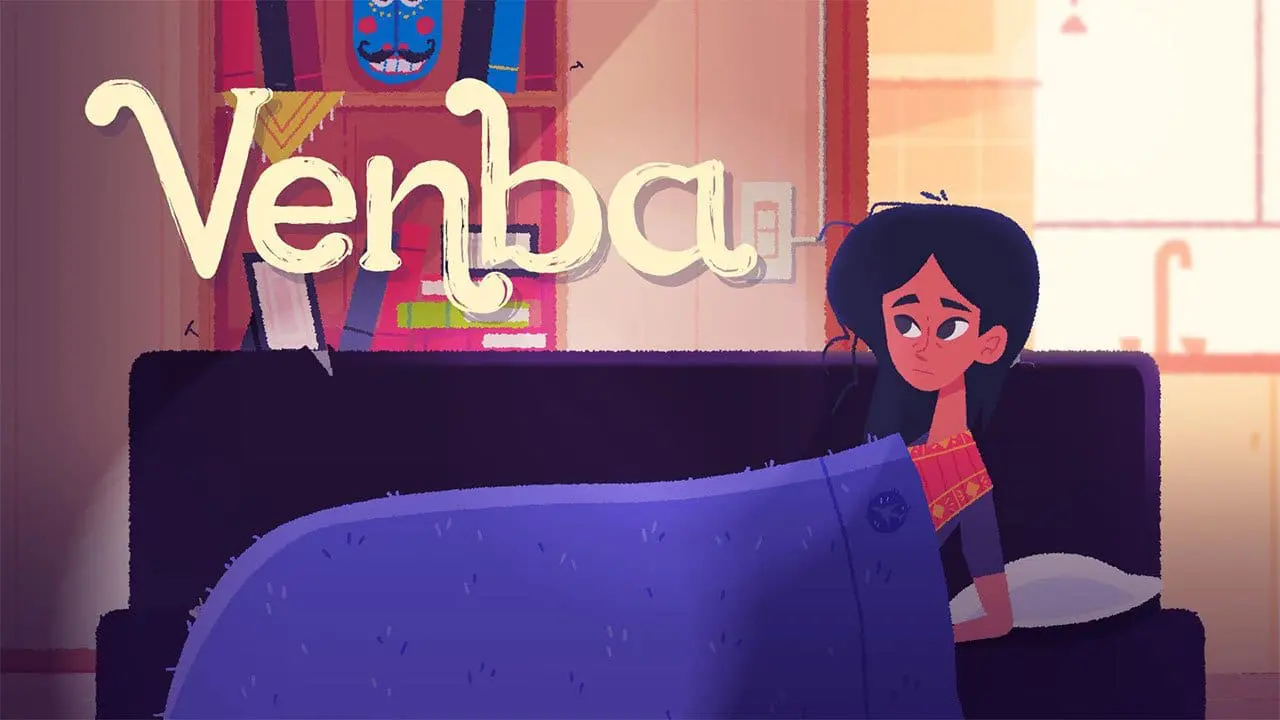
Venba is a short narrative cooking game where you play as an Indian mom who immigrates to Canada with her family in the 1980s. Cook various dishes and restore lost recipes, hold branching conversations, and explore a story about family, love, loss, and more.
Publisher: Visai Games
Reviewed on: PC (ASUS ROG Ally)
Also available for: PlayStation 5, Xbox Series X|S, Nintendo Switch
Developer: Visai Games
Designer, Lead Programmer & Writer: Abhi
Art Director: Sam Elkana
Producer & Additional Writing: Shahrin Khan
Music Composer: Alpha Something
As the credits rolled for Venba, I found myself thinking this will be someone’s favourite game of 2023—and maybe of all time. There’s a level of representation here that feels rare, and in ways I can’t fully contextualise or appreciate. At its heart, Venba is a human story about connection, love for one’s culture, and how growing up “different” can be challenging. It’s all tied together through delicious-looking Tamil meals.
At around 90 minutes from start to finish, Venba is a feature-length commitment and best played in one sitting. It’s primarily a narrative experience (not a visual novel), with light dialogue choices—but most of what you’ll “control” are the kitchen segments.
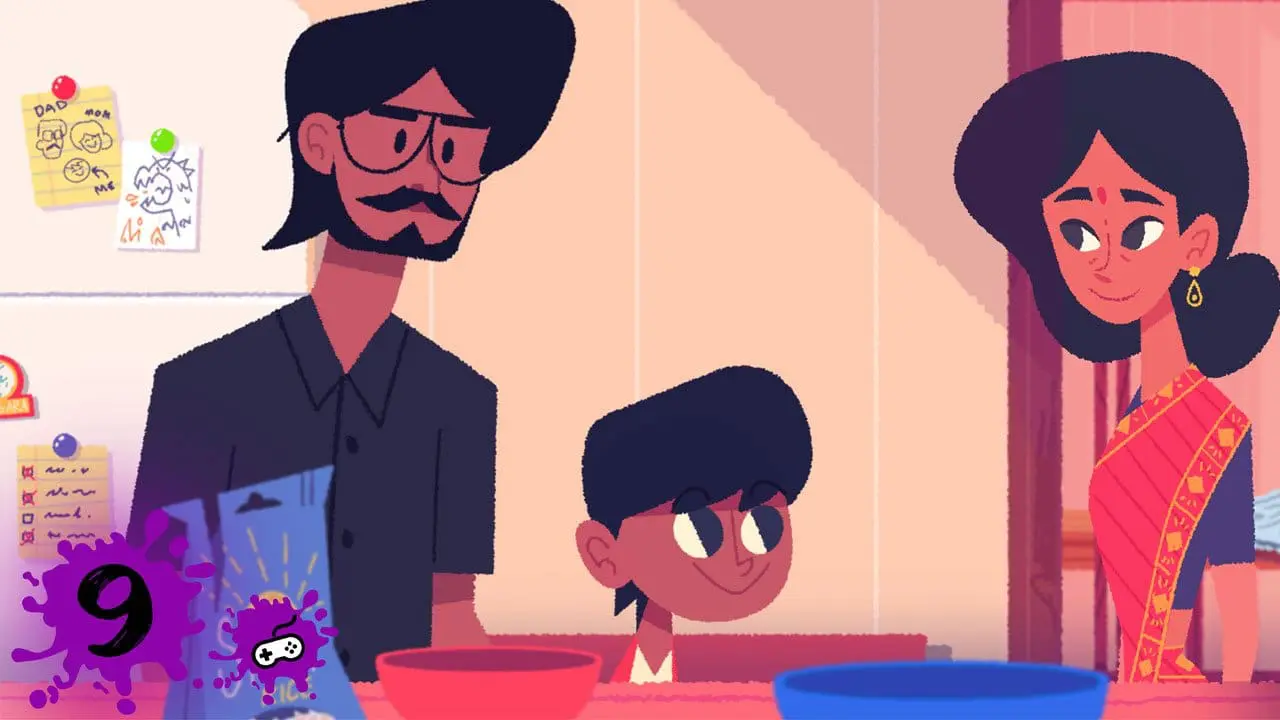
Venba spans multiple chapters across different years, covering most of Venba’s adult life. It begins with Venba and her husband Paavalan in Canada; soon, they discover they’re about to become parents. Later chapters follow their son Kavin and the family’s push-and-pull between giving him freedom and keeping their Tamil roots alive at home.
All but one impactful chapter take place inside their home. The writing, music, and animation do the heavy lifting to convey homesickness, job-hunting struggles, and Kavin’s tension between fitting in at school and exploring his Tamil heritage. There’s nothing forced here—Visai Games knows that even if players recognise Kavin “shouldn’t” wish his name were “Kevin” or refuse to take his mother’s food to school, we also remember the urge to fit in with friends. In that way, even an archetypal suburban upbringing can find common ground with the desire to belong.
Racism isn’t shown outright, but it’s implied, and Venba may touch on triggers for some—even as the tone stays largely gentle.
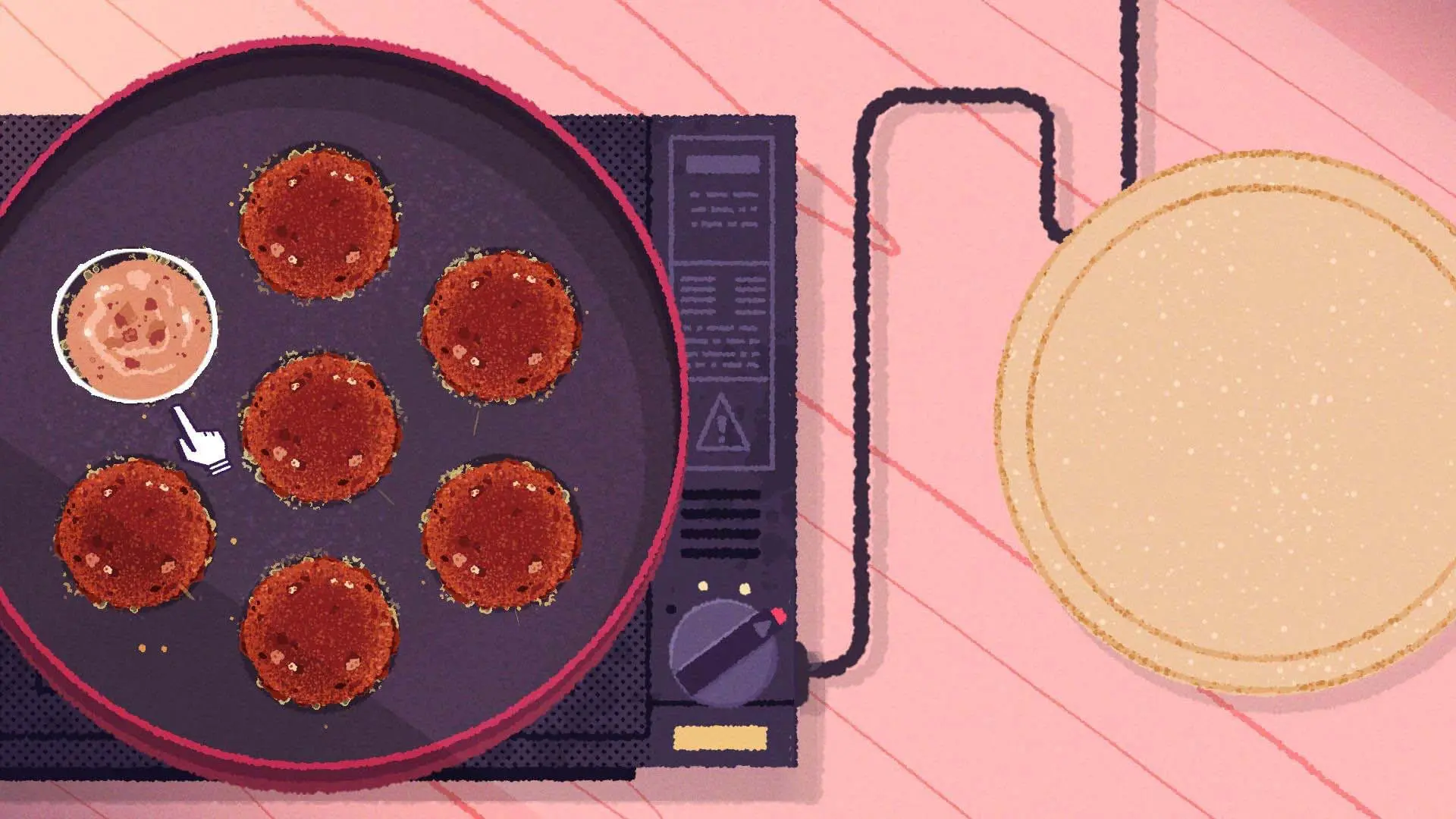
Each chapter includes a different cooking segment, but this isn’t a “click everything and voilà!” recipe app. Meals are thematically tied to the story beats: when Kavin wants pizza, Venba sells him on puttu by explaining the rice will launch like a rocket; a comforting Tamil soup appears when someone’s ill.
The first couple of dishes are easy, guided by recipes from Venba’s mother. Later, the cookbook pages are tattered—words smudged and torn. Cooking becomes a puzzle about sequence, placement, and technique rather than twitchy mini-games. For someone unfamiliar with South Indian cuisine, it’s eye-opening—and hunger-inducing—thanks to vibrant food art, the characters’ love for their dishes, and sumptuous sound design: sizzling, sifting, pouring… you can almost smell the kitchen.
The music is lovely and not something I’d have sought out on my own. Songs recur as kitchen companions and narrative anchors; a track in the late game is placed for maximum heart-pull.
I had a great time with Venba—as an excellent cooking game that introduced me to dishes and methods I’d never seen, and as a story that had me tearing up in the final chapters.

Venba Review

Dylan Blight
[He/Him] Dylan Blight is the Founder and Editor-in-Chief of Explosion Network, an independent Australian publication covering video games, film, television and pop culture. Since founding Explosion Network in 2017, Dylan has written and produced reviews, news, interviews, features and podcasts across the entertainment industry, while overseeing the publication's editorial direction and content.
MORE FROM DYLAN BLIGHT →


Comments