
Synopsis:
The game about one tragic evening for a struggling family, when emotions and tensions are simply too high to manage
Publisher: Anate Studio
Reviewed on: PC – (5800X, 32GB RAM, Nvidia RTX 3070)
Also available for: Xbox, Nintendo Switch
Developer: Anate Studio
Creator, Artist and Code: Anatolii Koval
Music: Abstracode
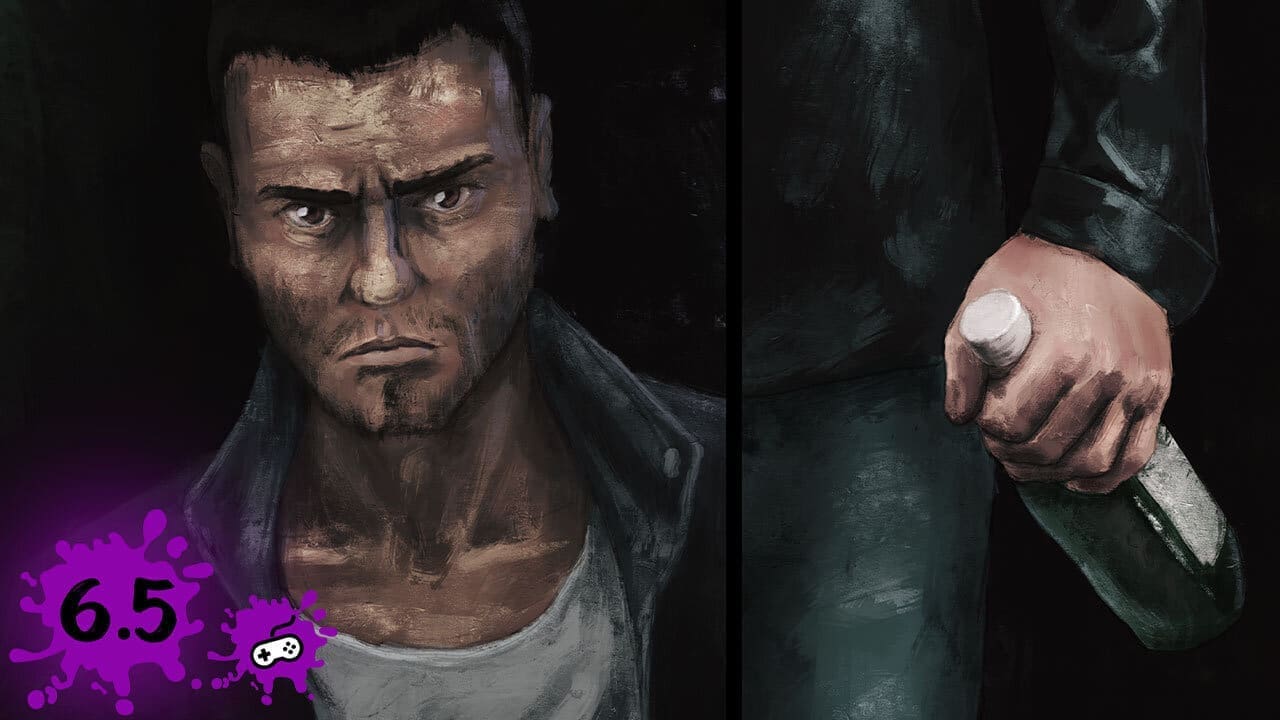
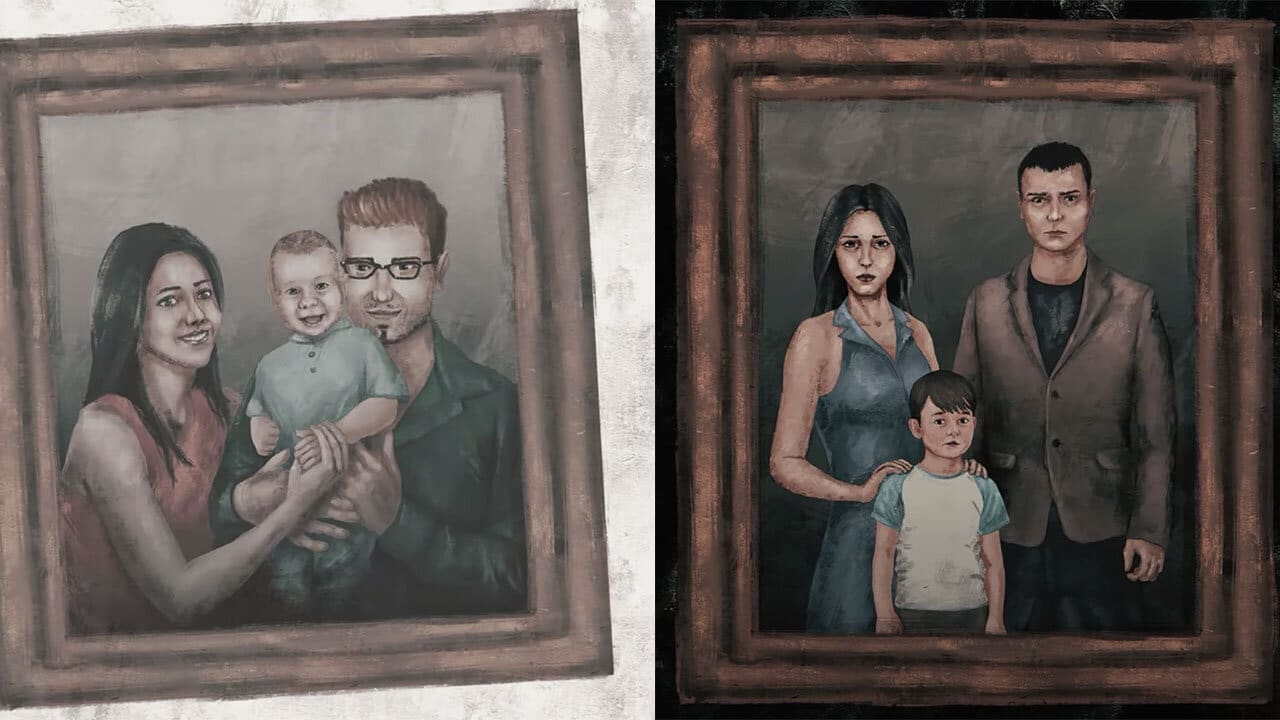
Little Kite begins with a story of loss and a brief yet touching opening scene that’s quick to tell the tale. The visual imagery here tells more story than words alone. Opening on a photo of the small family, Mark, Mary, and Andrew, large smiling faces as the text describes the harrowing tale of Mark’s demise. Hearing the accident play out in the background and seeing the photo shatter on Mark’s face, soon the photo is replaced by a sadder image of Mary and Andrew. We see Oliver fade into the picture. The joy seen previously, torn from his memory, and a grim image is displayed.
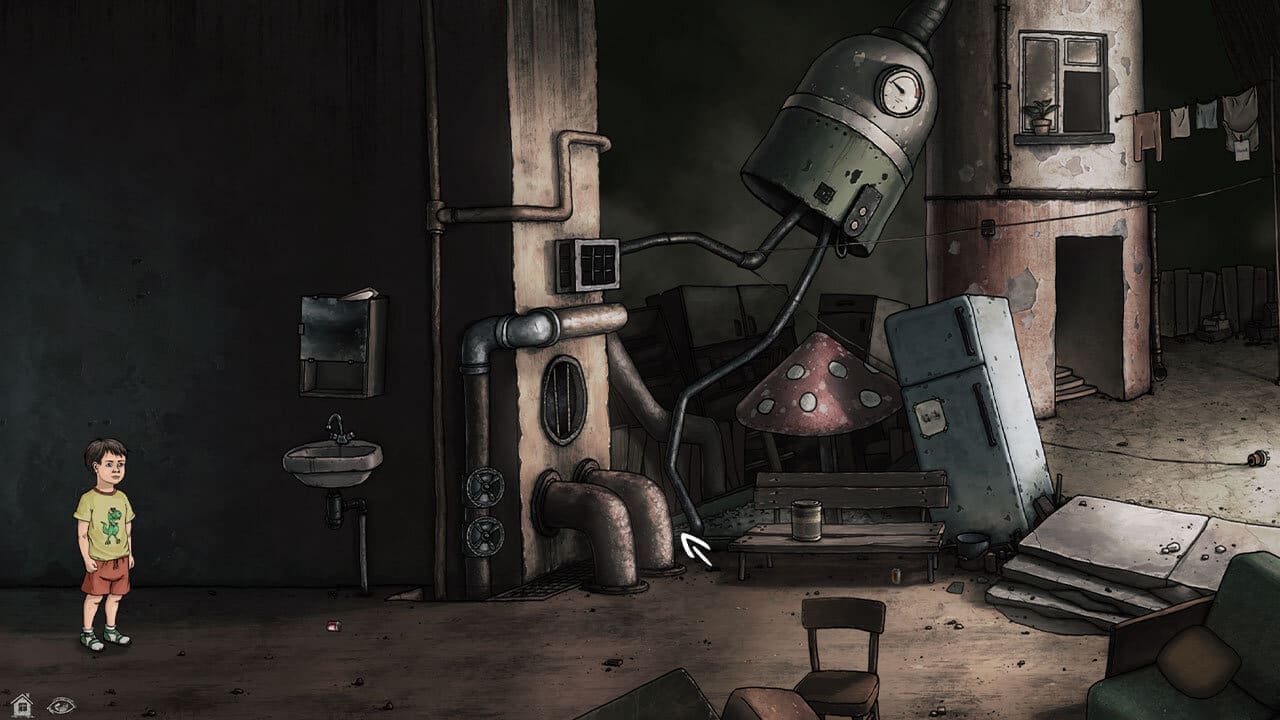
Soon we are back to the present; Andrew is hungry and asking for a sandwich; it’s here where the point and click game begins. Moving the mouse around the room, the player can discover that it turns red to highlight objects and items the player could interact with. The mouse icon will change to a speech bubble to interact with people and a doorway to show a path to another room. The point and click style of gameplay is an old but easy gameplay genre to understand. Clicking on items allows Mary to comment on the objects, slowly revealing the darker underlying tale. For example, selecting the tablets in the first room, she mentions trying to lower her doses starting tomorrow. We gather that she has been taking the pills to deal with her grief, selecting the drawings we hear about Andrew and his kite from the opening scene. When talking to Andrew, he describes his toy’s adventure defending the city. Andrew seems like a happy child.
Speaking to Andrew leads the player to search the house for the ingredients to make a sandwich, and further discussion with Andrew reveals that Mary needs to find a toy. The introduced scenarios lead to a puzzle where you need to give Andrew a dinosaur that releases a sword, allowing Mary to chop the bread and ingredients to finish making Andrew’s sandwich. Selecting the doorways, we can move between each room in the apartment, the first room being the entry to the apartment and the other leading to the kitchen.
The early scenes are designed to set the player up emotionally to feel for Mary, and we see a mother struggling with the loss of her husband with a child in need. The visual stories begin to take a darker edge once Oliver gets home. He is carrying a bottle of alcohol, and he isn’t looking happy. He is clearly upset, has an aggressive tone, and tells Mary he has lost his job. His comments to her are harsh and describe her and her son like parasites. Although Mary wants to help him, you can see the fear during the discussion with him.
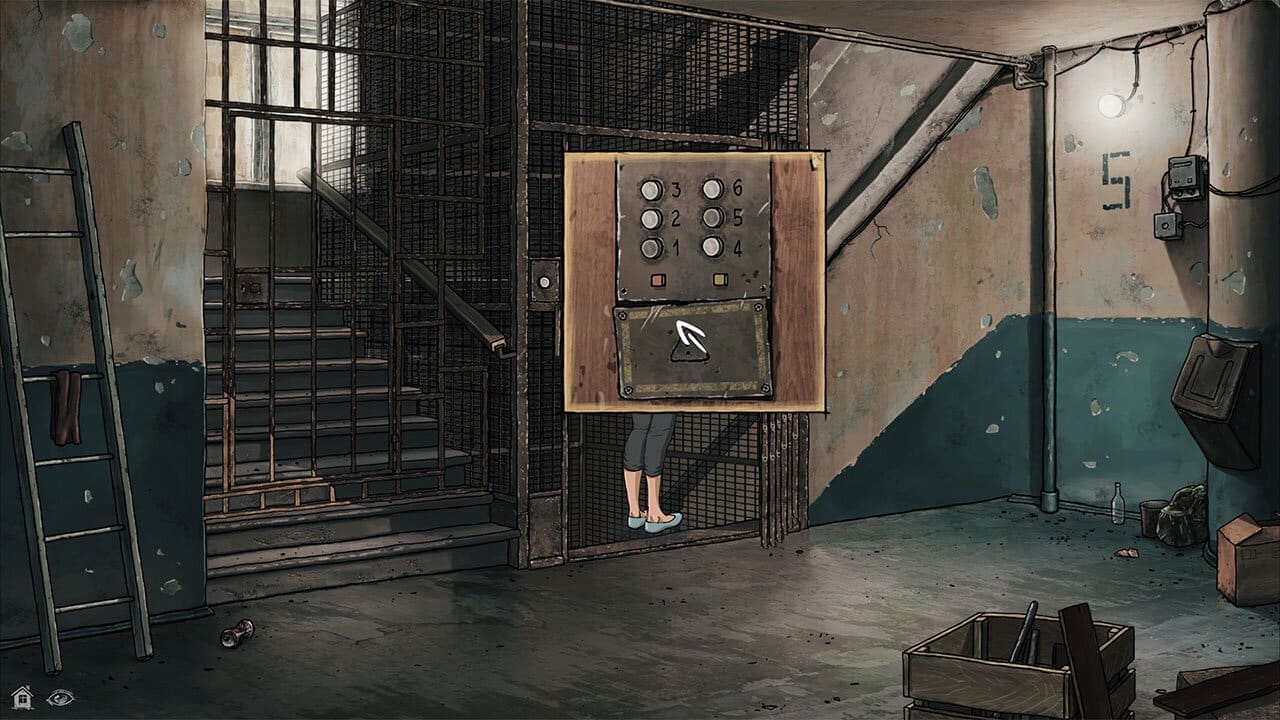
In the game, we discover different types of puzzles, each is unique and involves various steps to complete. The game gives hints via a text box on what to do in each puzzle, from sliding boxes to distracting people to complete tasks. The thought put into each puzzle is profound. These puzzles allow the player to progress the story, and like in most point-and-click games, the art of finding the objective isn’t always straightforward. However, using the items in the inventory often leads to solutions that make sense once completed. I sometimes struggled to find solutions to puzzles straight away, but with perseverance, I did prevail, completing all puzzles in the game and finishing the story in about two hours.
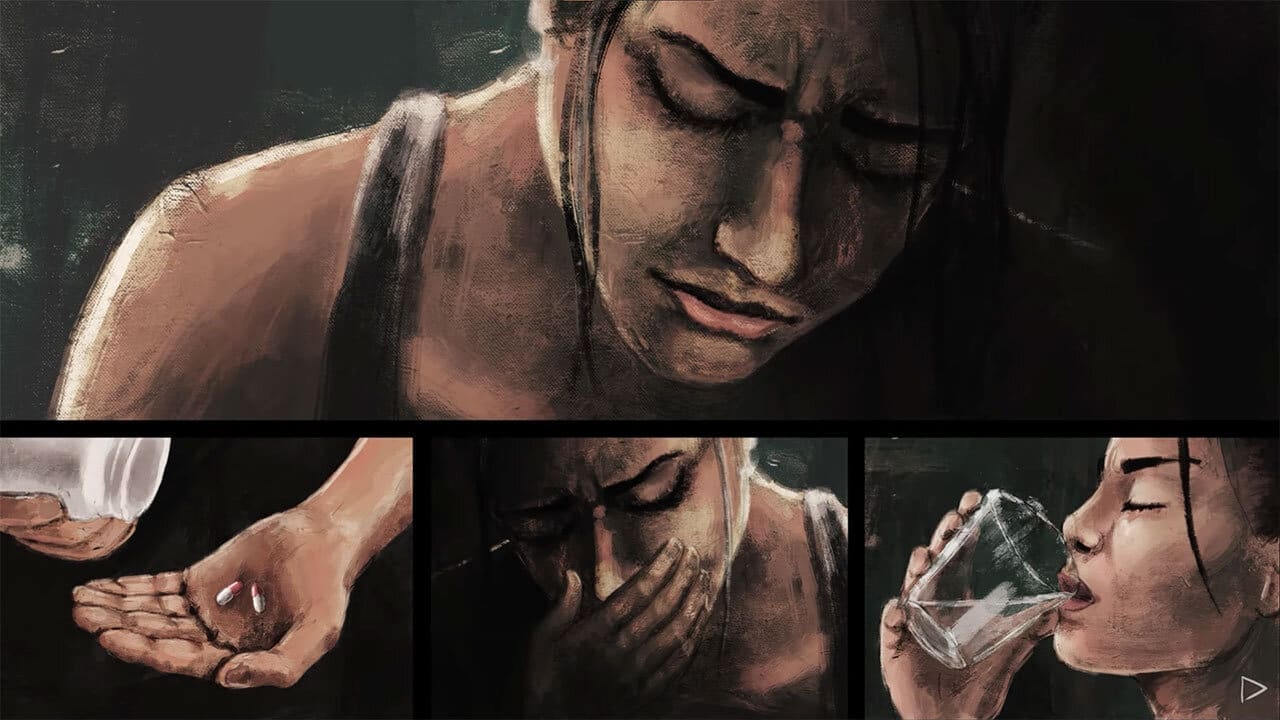
The music and audio design in the game are poignant. The original soundtrack is simple and loops in the background, we hear swells or more complex music rising during scenes when required, enhancing and filling the players with emotion. The art style used in the game is very visually appealing and works amazingly well with the game design. The visual story is just as important as the text narrative in this game. You can see the artist’s intentions for the characters, and the visual story using dark and light highlights help fill players’ eyes with information.
The story is a dark tale of domestic abuse and tragic life. There are heartfelt moments for both Andrew and Mary, the player having a chance to control each character in different settings. We see Mary in the real world while Andrew hides in a world of his own creation. While most game creators might have steered clear of the topic of domestic violence, developer Anate Studio leaned on those themes hard rather than relying on metaphors.
Through my playthrough, I had a few issues, the text translation wasn’t always accurate, and there was plenty of spelling and grammatical errors. I also had some problems with people or object textures appearing when loading my saves. The autosave feature doesn’t label the saves with the correct time and date either and often omits those altogether.
I enjoyed my time with Little Kite, a short point-and-click adventure with themes that touched my heart. I felt for Mary and Andrew’s situation. The art style lent itself to the game and made for a beautiful visual tale.


Trackbacks/Pingbacks