Editing: Katie Dillon
Music: Barry J. Neely
Cast: August Maturo, Mike Manning, Libe Barer, Mirabelle Lee, Bianca D’Ambrosio, Chiara D’Ambrosio, Lukas Hassel, Dan Hedaya
Director: Jeremiah Kipp
Writer: Jeremiah Kipp
Cinematography: Dominick Sivilli
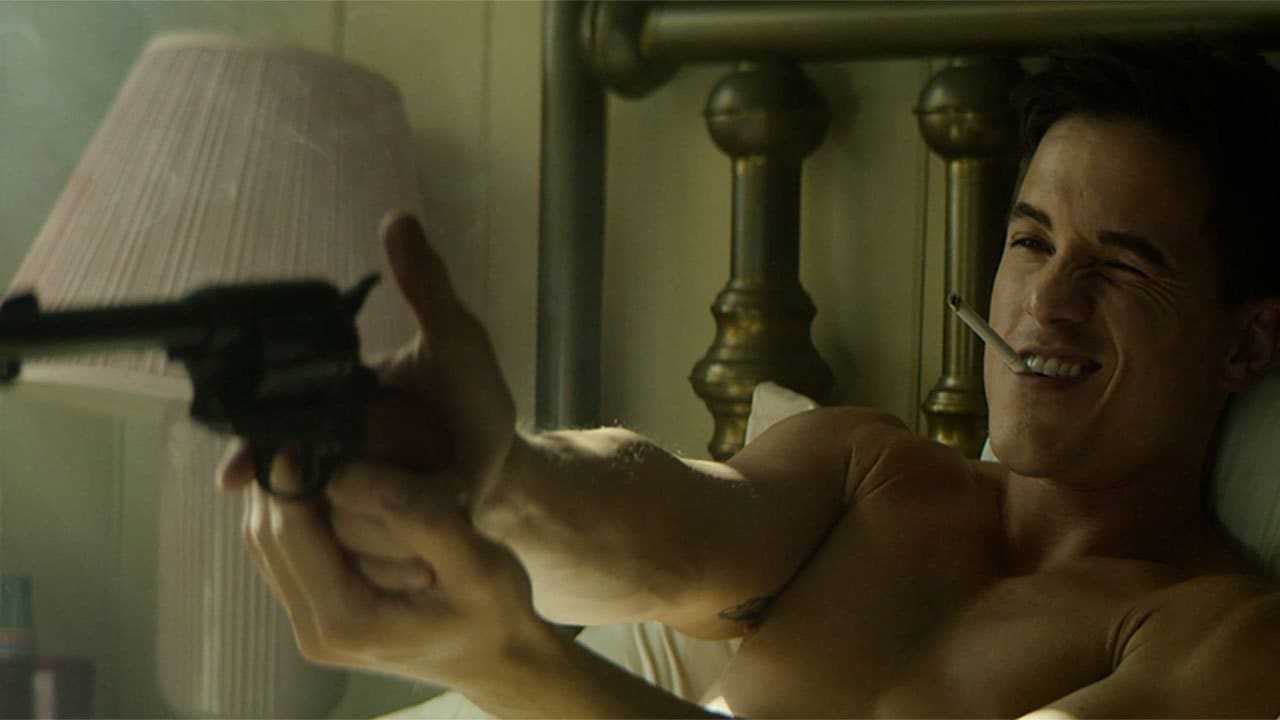
While Tom spends his nights drinking at bars, the town’s sheriff warns him about Lucas’s behaviour. Tom shows little care; he’s content to play slapface rather than discuss what’s going on in Lucas’s head. Even as Tom’s girlfriend Anna (Libe Barer) attempts to connect with Lucas—one of the only characters in the film to do so—Tom pushes her away. Later, Tom even gaslights Anna for caring about Lucas and not wanting to stand by as he ignores what’s happening, preferring another game of slapface.
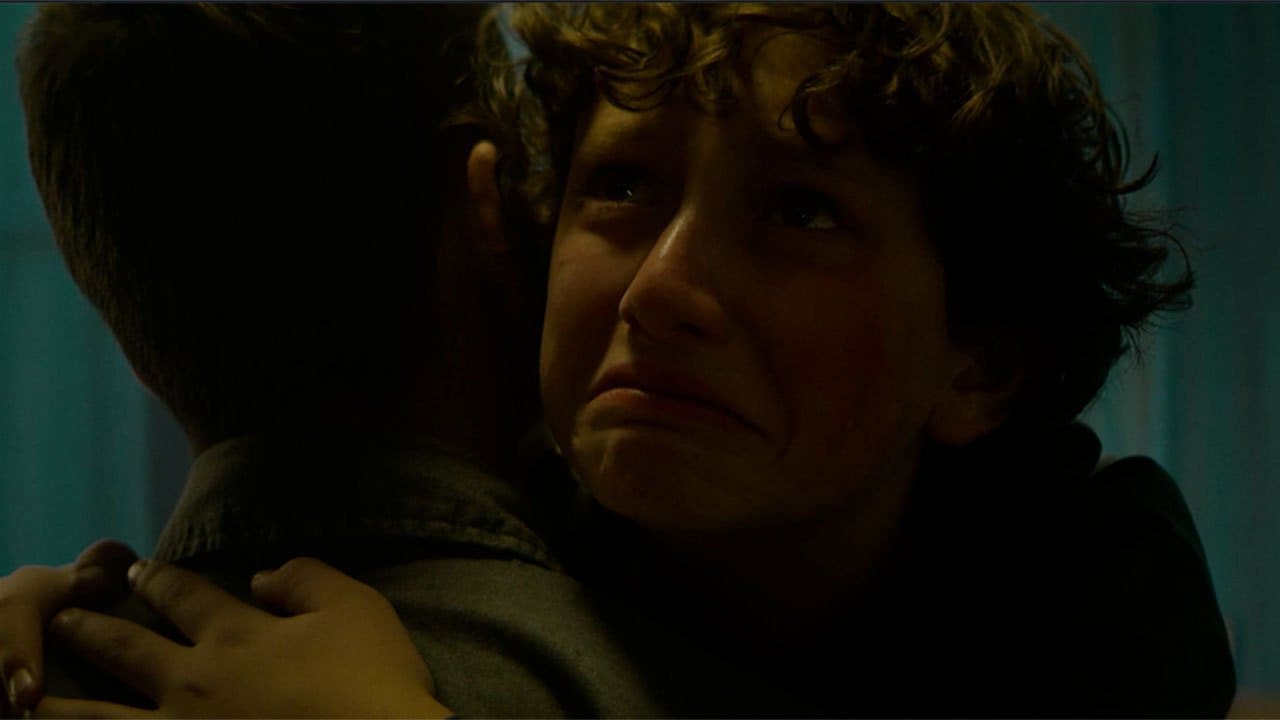
The slow build of Slapface leads to a satisfying, emotional finale that hits you right in the chest. It never really tries to hide where the true danger in Lucas’s life lies, but it does work hard to distract you from who that could be. For the movie’s final act to land so well required a strong performance from August Maturo, who does a fantastic job portraying a lost, tormented child. The film largely rests on his shoulders; his raw, empathetic performance is integral.
Oddly, the monster in Slapface can distract from the more interesting, primary themes at play. There’s plenty left to discuss about the creature by the time the credits roll, but it isn’t particularly compelling. I didn’t love the design, and none of the kills stand out—the way they’re shot feels a bit amateurish and lacks proper shock value.
Slapface got under my skin in more than one way, and at times it’s hard to watch due to the nature of the film’s material. The themes and direction Jeremiah Kipp is pulling apart here are worth exploring—but as a monster movie, it’s a bit of a let-down.