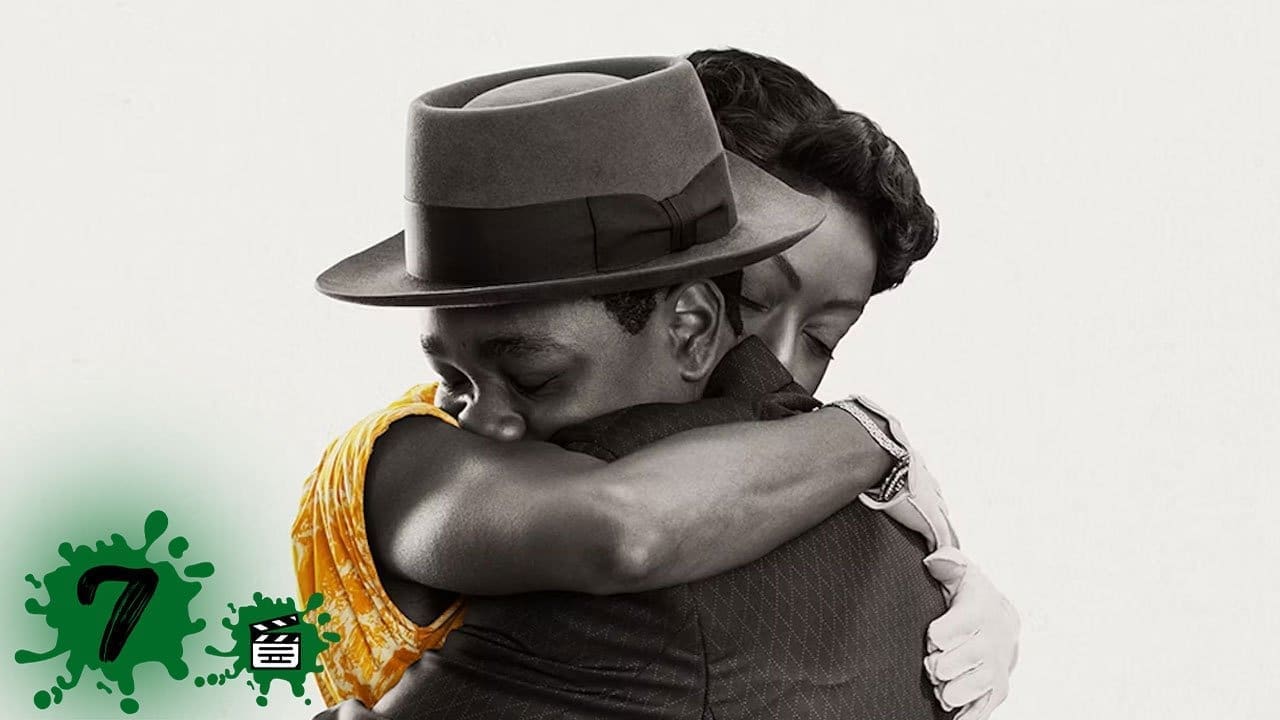
Synopsis: In 1955, after Emmett Till is murdered in a brutal lynching, his mother vows to expose the racism behind the attack while working to have those involved brought to justice.
Director: Chinonye Chukwu
Writers: Michael Reilly, Keith Beauchamp, Chinonye Chukwu
Cinematography: Bobby Bukowski
Editing: Ron Patane
Music: Abel Korzeniowski
Cast: Danielle Deadwyler, Jalyn Hall, Jamie Renell, Whoopi Goldberg, Sean Patrick Thomas, John Douglas Thompson
There are some things in life as a human I will never understand—or I should say, up to this point, I’m not able to understand. I’m not great with death, but the idea of losing a child is an emotion I can’t comprehend. Watching Till breaks all human spirit and challenges your ideals as a human and what you stand for. It also gives a glimpse into the heartbreak, isolation and loss of belonging that can consume a parent when they lose their child.
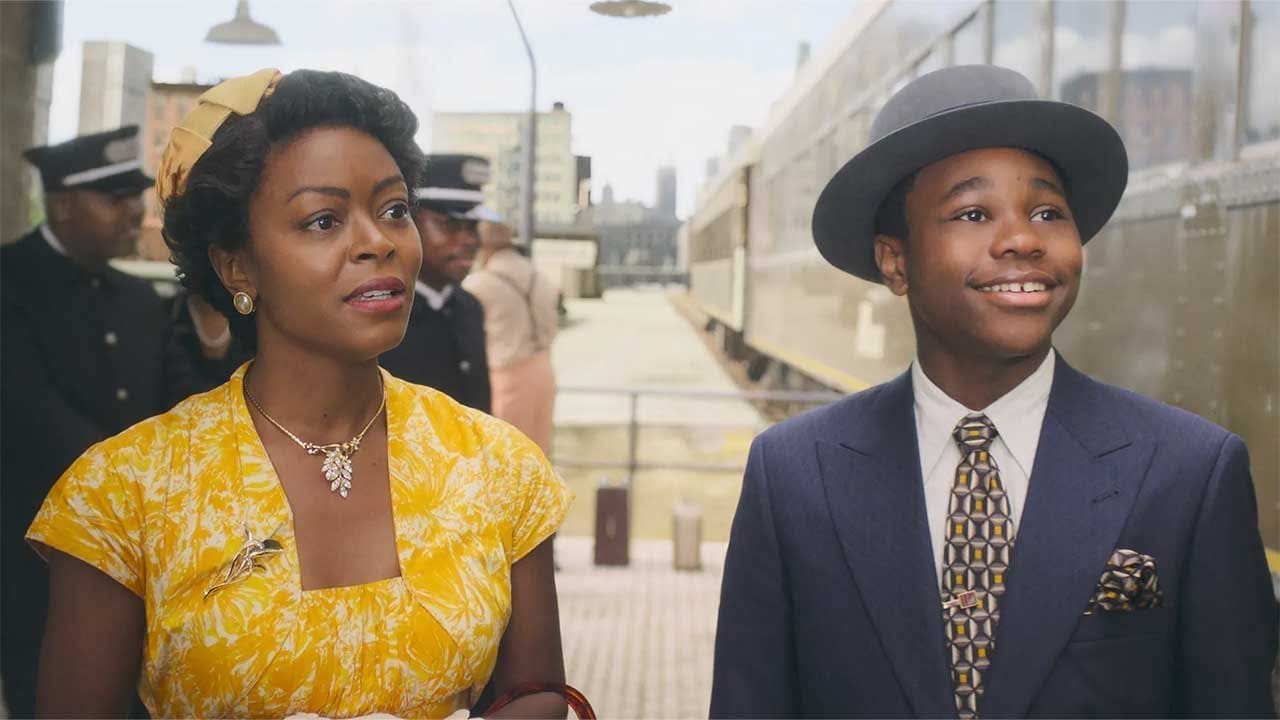
Beautifully dressed, driving down a road in Chicago, is Mamie (Danielle Deadwyler) with her son Emmett (Jalyn Hall), more affectionately known as Bobo. They’re doing a touch of shopping before Bobo heads to Mississippi to spend the summer with his cousins. Inside the store, Mamie is stopped by security and told there are more shoes in the basement. While that’s all that was said, it’s clear what the white security guard was implying. Mamie asks the guard if he’s been offering that same advice to everyone looking for shoes. Knowing the answer, she walks away.
What we take from this interaction is that, all things considered, life is pretty good. Emmett is full of love for his grandmother Alma (Whoopi Goldberg), his mother and his mother’s partner, Gene. He’s always smiling, and it’s clear he wouldn’t purposely cause harm to anyone. Even when his cousin Simmy asks to wear his father’s ring Bobo has been wearing, he kindly replies, “maybe later,” so as not to offend with a straight-out “no.”
It’s this personality of Bobo’s that makes the coming story seem almost unbelievable. When getting some candy at a store, he compliments the store clerk, saying she looks like a movie star. But upon leaving, Bobo goes a little too far and gives her a wolf whistle. Aside from showing some innocent affection—despite his mother warning him that white folk are different in Mississippi—it isn’t clear what his intentions were. But the events that followed that moment changed everyone’s lives forever.
Bobo is taken from his cousin’s house that night, murdered and dumped in the river. Heartbroken, Mamie demands her son be sent back to Chicago to be buried. What is sent back is an unrecognisable body, bloated, bruised and bashed. Seeing her son like this forces a change in Mamie, and her new mission in life is to not only seek justice for her son’s murder but to make sure something like this could never happen again.
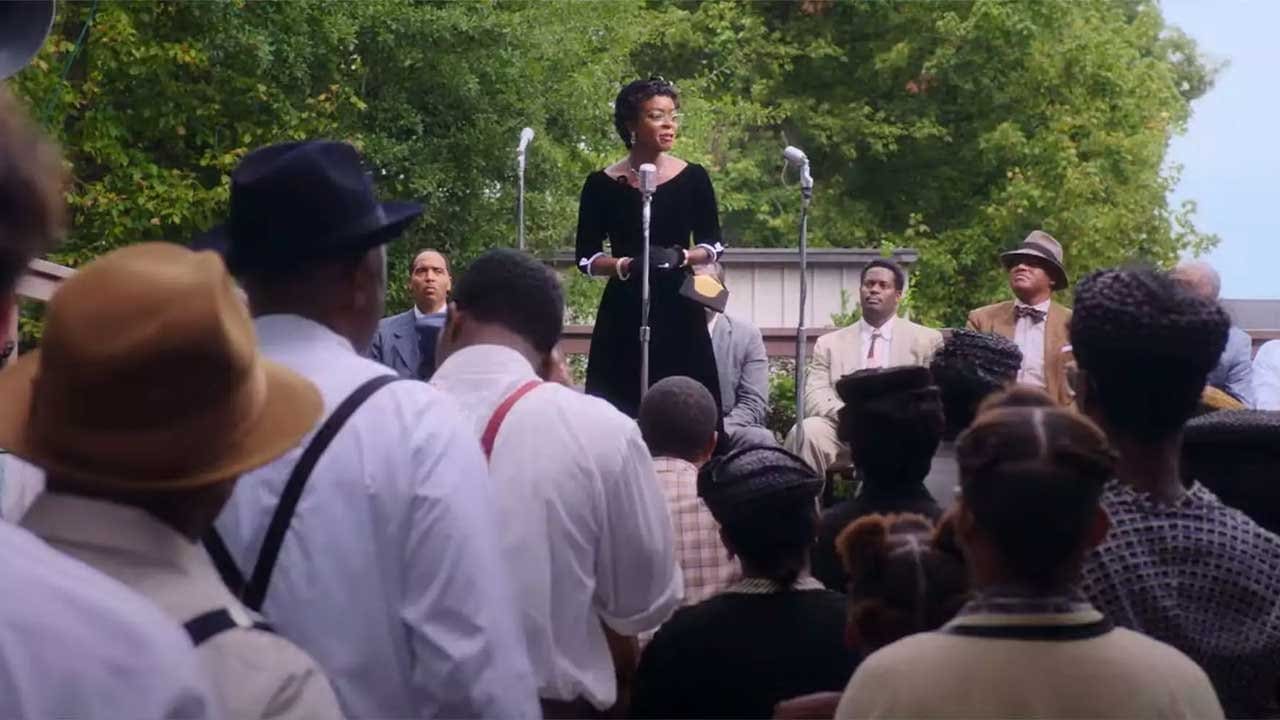
Using the political movement of the National Association for the Advancement of Colored People, Mamie shows the world her mutilated son, sparking rage in some and change in others. With this momentum, Mamie’s civil-rights activism helped pave the way for the Emmett Till Antilynching Act (2022), making lynching a federal hate crime.
Yes, you read that year correctly. The antilynching act did not come into effect until 2022. Sixty-seven years after the tragic and unnecessary murder of Emmett Till, the act of lynching became illegal at the federal level—twenty-two years after Mamie’s death. Inconceivable.
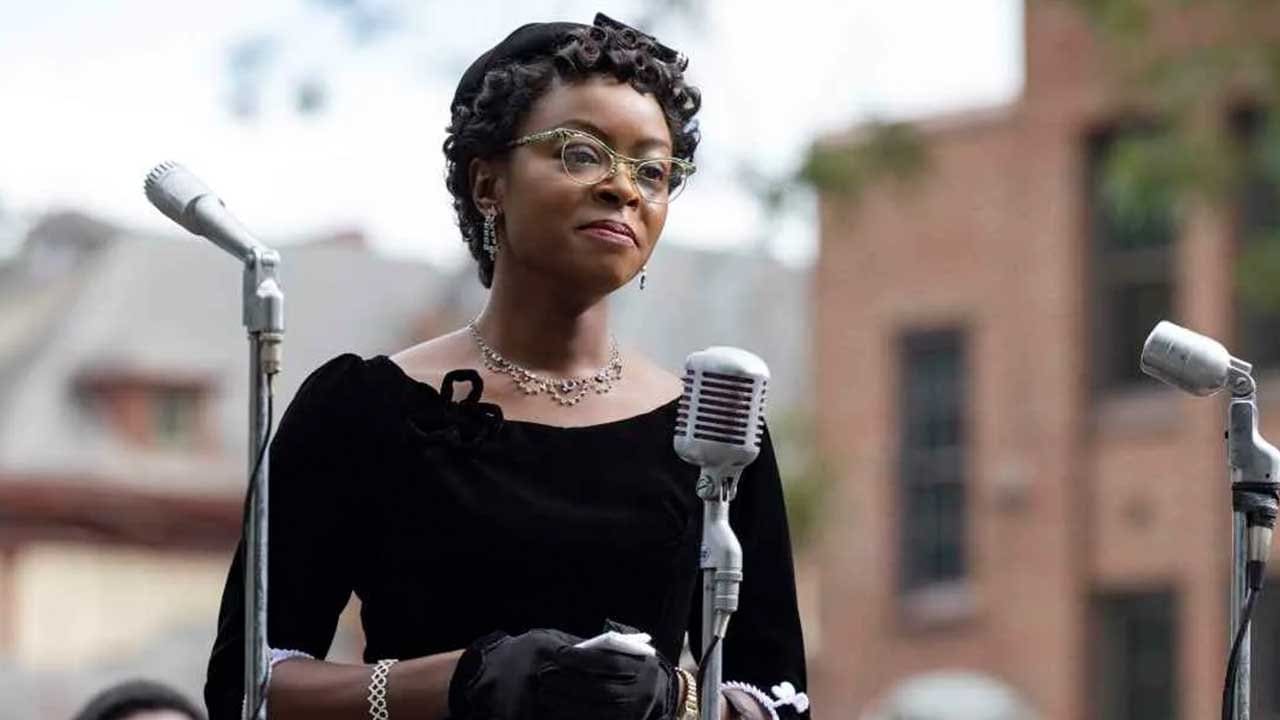
But without getting into the politics surrounding the subject matter, let’s talk about the mesmerising performance of Danielle Deadwyler as Mamie. From the get-go, you can feel the love only a mother can have for her son. The way she navigates the scenes with her dead son and the grief she is filled with will captivate you. What really showcases her ability is when she is battling with wanting to hate and blame everyone. You can see her physical reaction to this emotion, making it even harder not to have a reaction yourself.
Where the film fails is in the physical aspects, such as the cinematography and the score. It must be said it doesn’t take away from the importance of the film, nor is it a distraction. The only reason I point it out is that it stood out. The camera work sometimes felt budget—the poor use of greenscreen to the basic use of camera angles. For example, the scene where the representative of the NAACP and Mamie were talking on her veranda: the shot was from across the house, almost as if the neighbour was watching. It didn’t make sense and took away the connection the audience would have with the performance.
The score was the other part of the film that felt disconnected. At times it sounded like it forgot what was happening in the scene. This was a missed opportunity as it didn’t help with any connection to the characters and felt very separate. It also did this weird thing where it would try to fade out the music being played by the character with the score, creating a mash-up no one asked for.
The hardest part of Till is that, even days later, I’m still struggling with how I feel about it. This movie will stick with you because, as the film tells us right at the end, the campaigning sparked by the horrific murder only bore fruit in 2022, some sixty years too late. It’s heartbreaking even to consider that something like this could still happen two years ago. But movies like this show that humanity has many sides, and with persistence, change can happen—though it shouldn’t have had to in the first place.

[The author attended an advance screening of Till thanks to Universal Pictures Australia.]