
Why Movie Costumes Become Part of a Character’s Identity
From Kill Bill and Fight Club to Barbie, Wicked and The Last of Us, we explore how costume design helps define characters and create pop-culture icons.
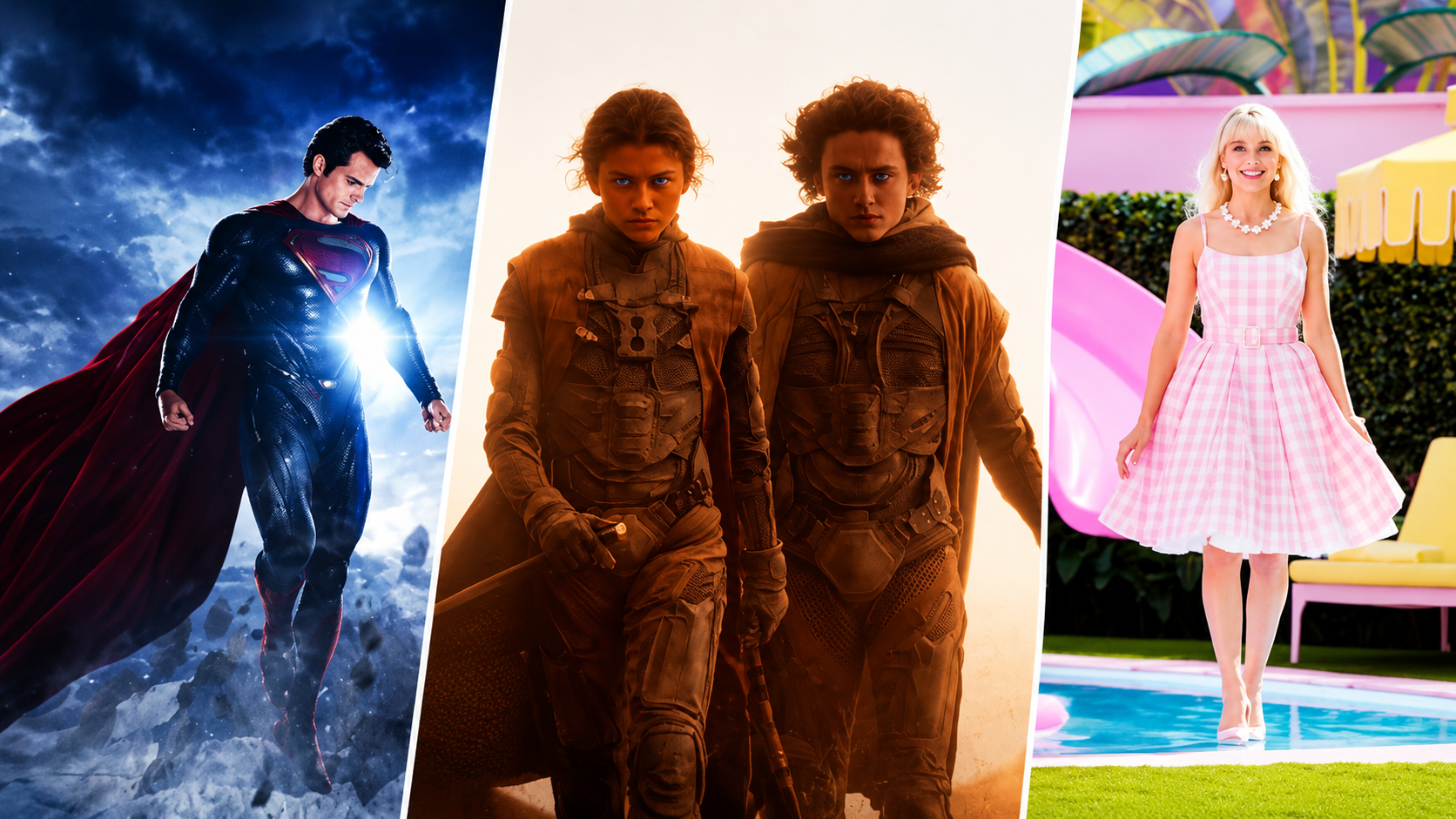
Clothing in films can do much more than just cover a character. The right outfit can help to introduce a character, show their personality, and place them within a narrative. With exciting color choices and bold design, certain types of clothing leave a strong visual marker of a character that can last for decades. The fashion and style choices of characters are often equally as memorable as what the character says or does.
When Clothing Becomes Part of the Character
Long before a character is identified by their name and/or face, some characters can be recognized by style. With a specific jacket, color palette, or accessory, so strong is this style that so strong is the personality.
Clothing can be used to convey character traits, social class, moods or emotions, as well as to communicate the development of a character and changing events. Due to the nature of cinema, costume design has to be used as a supplement to verbal expressive communication and consequently is integral to ‘storytelling’ in film. The best costume designs reflect upon the character, aiding understanding, retention, and appreciation of the character by an audience.
Why Costume Matters in Visual Storytelling
Film is an expression of art that is heavy on visual communication. Quality costume design can help you define each character and their role.
Film is a medium that lends itself to suggestion, and the use of color and/or silhouette can suggest personality and/or role. Hats, boots, jewelry, and accessories can help communicate sophistication, immaturity, or even social ineptitude. The condition and materials of a character’s costume can indicate social standing as well.
The use of costume can aid in the establishment of a strong identity of a character when utilized consistently across an entire film. Especially when a production design uses the same visual elements consistently, audiences quickly identify characters.
Iconic Characters and Their Signature Looks
Beatrix Kiddo: Kill Bill
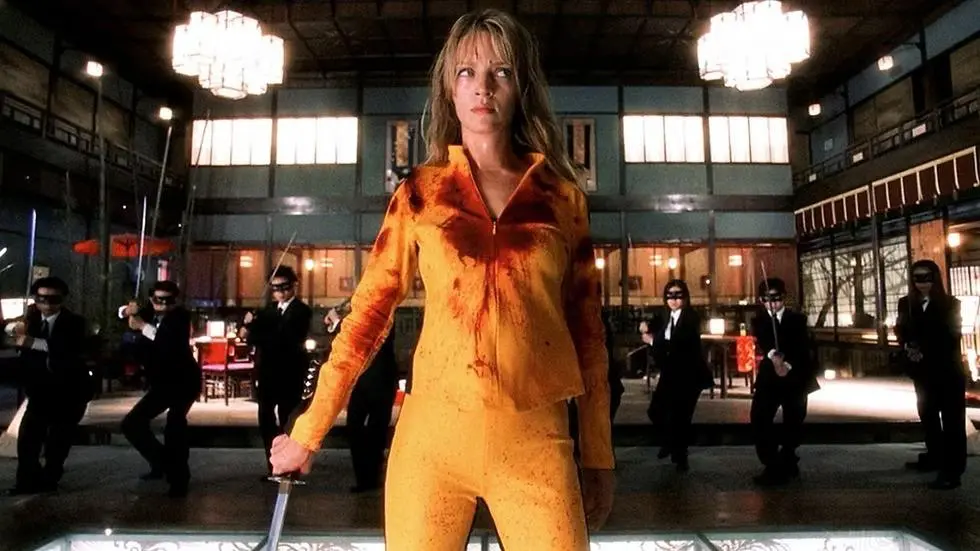
Effectively, the opening scene of Beatrix Kiddo in Kill Bill’s yellow and black attire ranks among the instant classics of cinema. While highly complementary to the film and its style, its ease of design and memorable color artfully simplify the need for complexity in a style that will stay in the hearts and minds of audiences.
Tyler Durden: Fight Club
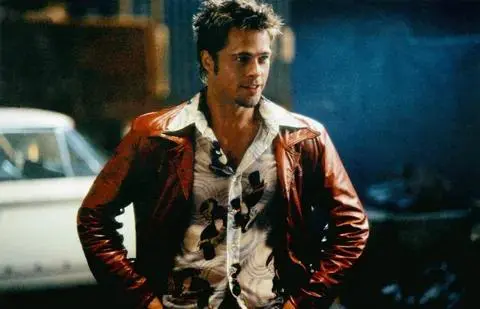
Tyler Durden does not wear clothing like any other character in Fight Club. Although many other characters in the movie wear ordinary clothing, which helps them fit into society, Tyler does not conform to this idea of normality and dresses in clothes of unusual colors, vintage shirts, and even items of clothing that look intentionally unconventional.
A perfect example of this is Tyler’s iconic red leather jacket, which has become synonymous with the character since the release of the film. Not only is the jacket a reflection of Tyler’s bold and daring persona in the movie, but it has also helped create the persona of Tyler over time.
Years have passed since the release of the movie, but it seems that the iconic jacket of the character is still remembered by many.
Superman

With little more than a cape, an S, and bold colors, a stylized representation of the cultural pillar of justice was born.
Even when the full image and supporting elements of the costume aren’t present, the emblem of justice serves as a reminder of the symbol of the Man of Steel.
Recent Characters Creating New Costume Icons
Costume design is essential to the visual storytelling of modern films and television. Costumes help demonstrate the character and their world for the audience. From show-stopping gowns to worn leisure suits, costumes help the audience better understand the character and the world they inhabit.
Barbie

With a vibrant color palette and the movement of the fabric, Barbie’s wardrobe transforms her personality to match the world around her. Each outfit helps the audience better recognize Barbie by differentiating her from the rest. Barbie’s costumes serve a colorful purpose for audience recognition.
Glinda and Elphaba: Wicked
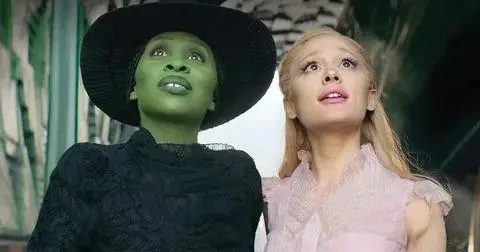
Glinda’s effervescent costumes and Elphaba’s more subdued choices help the audience further understand the characters as individuals and their relationship. Glinda’s more cheerful character is complemented by wider, more lace-adorned, and feminine choices. In contrast, Elphaba’s wardrobe helps the audience understand her as more of an outsider with darker clothing.
Paul Atreides and Chani: Dune: Part Two
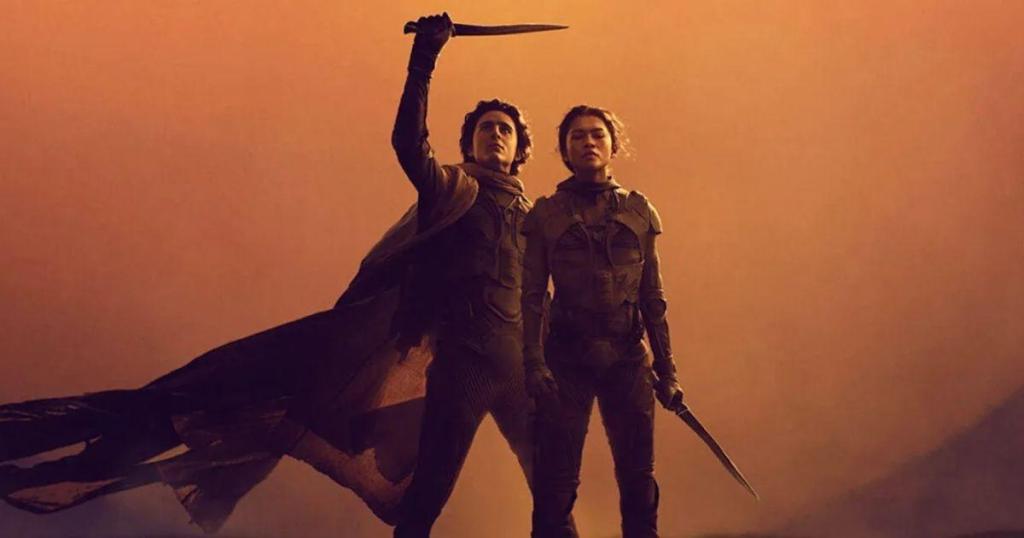
The costumes of Paul and Chani help inform the audience of the social structure of Dune: Part Two and the environments they occupy. As practitioners of desert survival, the use of natural fibers is abundant to help the audience differentiate the protective and worn desert clothing they wear.
Wednesday Addams: Wednesday
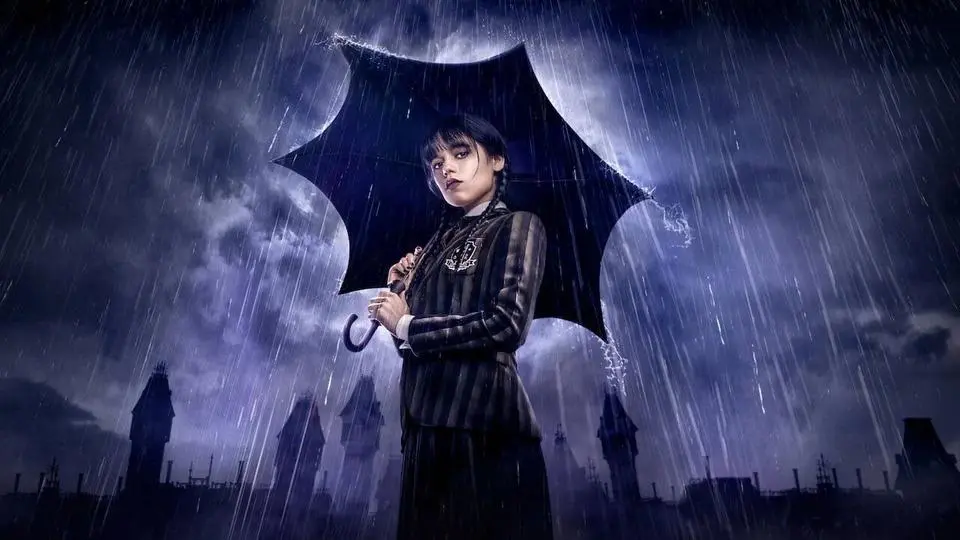
Wednesday’s wardrobe is a dark and organized extension of the character’s personality. The series helps a new audience recognize Wednesday with an all-black wardrobe with pops of white. Costumes help inform the audience of Wednesday’s gothic style.
Joel and Ellie: The Last of Us

Costume design is vital. It paints a cultural and historical picture within the world being portrayed. That is true of both Joel and Ellie’s post-apocalyptic attire. Their clothing tells a story. Their jackets and boots, along with the layering of their outfits, suggest they’ve put a lot of thought into the function of their clothing. As such, the audience also understands and sees them as survivors. They are depicted as a step above thematic, Hollywood, or post-apocalyptic fantasy characters.
Modern costumes have become an incredible way to tell a character’s backstory and help provide basic insights the audience needs in order to form their own opinions about a story. The costumes leave an impression that stays with you.
When a Costume Reflects Character Development
Costume design can show character development. Changes in a character’s costume can illustrate a number of changes in the character, including confidence, emotional changes, life changes, or a change in identity.
Superhero movies usually use this when a character goes from denial about having powers to finally accepting their responsibility concerning those powers. Other movies show characters leaving their old life’s clothes behind and moving on.
Changes make the development of the character visible. Adjustments can easily show the character’s inner changes without explaining it to the audience.
From Movie Costume to Pop-Culture Symbol
Some designs from movie and television costumes iconically stand the test of time. Unique colors and patterns, accessories, and even prominent graphics can turn a fictional character’s costume into a pop-culture symbol long after the film or television show has ended.
Fictional costumes turn into cultural symbols through many avenues, including conventions, cosplay, and fan communities that dress up in costume on Halloween, wear fashion inspired by characters as everyday fashion, and fun merchandise.
Few populists are left with the opportunity to connect with fictional characters once the original form of entertainment has wrapped up, and that’s why merchandise is popular. Over time, a fictional character’s costume can become not just associated with the character, but the entire film or television franchise.
Why Some Costumes Become Iconic
There are many ways to identify an iconic costume, but remarkable, simple ones are often the most memorable. Being simple doesn’t mean a costume should lack details. A simple color scheme that aligns well with a character’s personality can stand out against a complicated design. Aligned personality also plays a big role. A character’s outfit being aligned with who they are often helps an outfit stick in someone’s mind.
Being relevant to the story is also important. If a costume is purposely designed to align with a character’s feelings or situation present in the story, then that costume is more likely to be remembered.
Being consistent also helps an outfit stand out. Consistently showing elements that describe a character also helps an audience remember that character based on the elements.
All of these put together help an audience remember a costume and, more often than not, lead to a costume becoming iconic.
Conclusion
Clothing is sometimes cited alongside acting as a foundational element of a character. Costumes help develop characters and the world around them, and can add visual elements that help audiences remember them for years.
Costumes help develop characters outside of the stories they tell, help define the characters as individuals, and can become their identity, as symbolized by Tyler Durden and Superman’s distinctive clothes, or Beatrix Kiddo’s distinctive yellow. Today, this remains true for Joel and Ellie, Wednesday, Barbie, Glinda, Paul Atreides, Chani, Elphaba, and Superman.
In the end, audiences don’t only cite clothing by name. Characters are remembered alongside the traits costumes embody as an extension of the characters’ personalities, the world, and the story.

Amelia Gates
Amelia Gates is a film and pop culture writer with a passion for movies, television, fashion, and visual storytelling. Her work explores character development, costume design, cinematic trends, and the cultural impact of popular entertainment. She has contributed to a range of film, fashion, and pop culture publications
MORE FROM AMELIA GATES →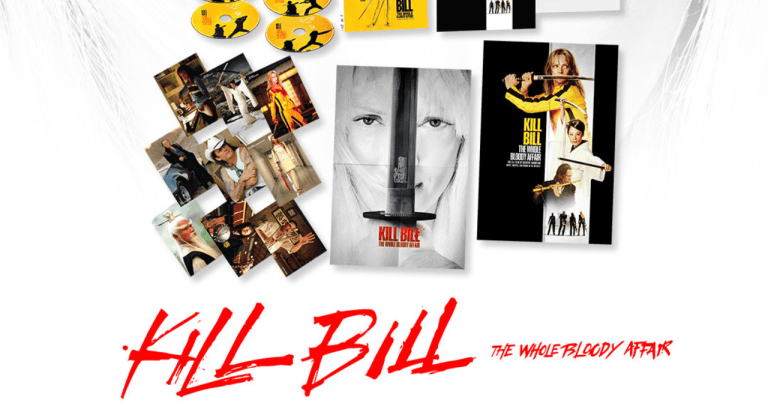

Comments