
Adam’s Apple Review [MIFF 2026]
The film feels like a fly-on-the-wall a lot of the time

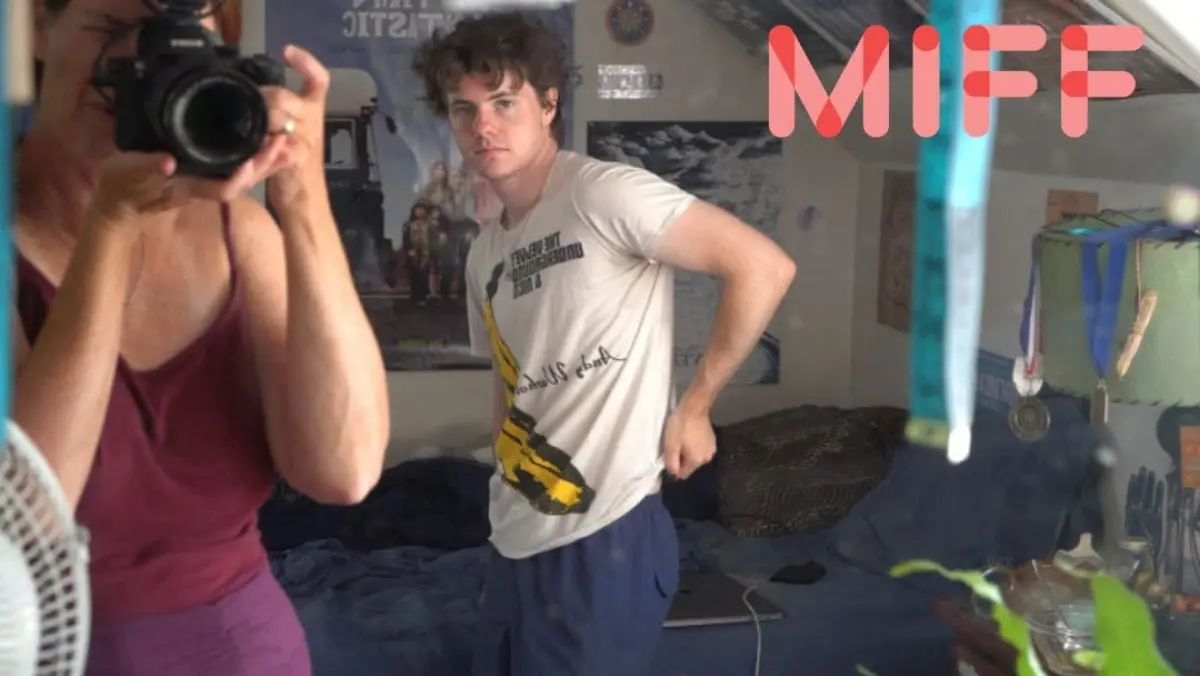
Intimate like a home movie, but with the slightest hand, through some interesting cinematography and stellar editing work
This documentary by Amy K. Jenkins, in which she chronicles the journey of her son, Adam Sieswerda, and their transgender story, is one of the most intimate captures of what it’s like to be a parent, and also, at least somewhat, giving insight into the mind of a teenager processing through their own body and minds path to be the person they know they were meant to be.
The film feels like a fly-on-the-wall a lot of the time, intimate like a home movie, but with the slightest hand, through some interesting cinematography and stellar editing work to help tie the whole narrative together, from scene to scene and year to year.
Adam’s Apple follows Adam through eight years of their life, capturing key moments in their transgender story, and also the intimate conversations with family. For the most part, the camera is in Amy’s hands, but Adam is given his own camera and chronicles some moments himself: with friends being a teenager; alone in his room writing in a journal, or working on music. He feels like a component of the film, not just a subject that a mother is forcing the camera upon. But as is seen in the film, growing up around cameras has been somewhat normal for their family. Amy likes to chronicle moments and film things; she’s a documentarian through and through, and as she puts it in the film, likes to film things to capture them, but also to let them go.
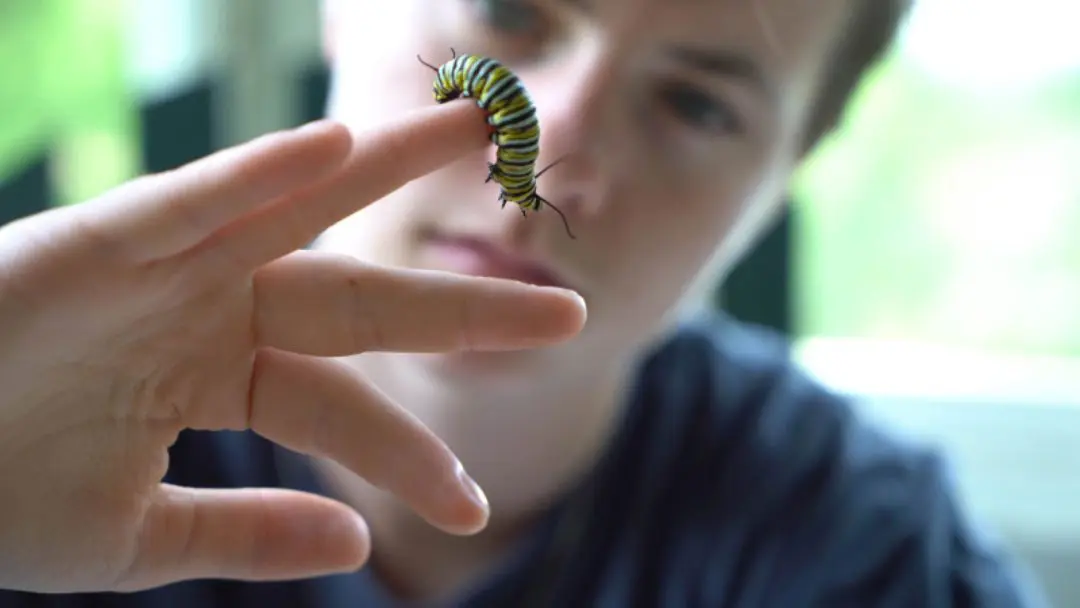
There’s no pushed drama in Adam’s Apple either. No overblown dramatic family uproars, or edging from Amy to try and build narrative tension between Adam’s girlfriend, where there is none. The most dramatic moments come when Adam discusses his transition with his father, who is, for all intents and purposes, very supportive, but coming to terms with things in his own way, while failing to see how some things he says might be affecting his son. In one moment, he expresses how he’s accepting of now having a son, but is also having to let go of the daughter he once had. But as Adam rightfully points out, he’s not losing anything; Adam is the same person they have always been.
Some of the editing does a fantastic job of weaving in Adam’s childhood and earlier moments and signs of his early-trans journey and their interwoven with quick cuts into short montages, without the need for any explanation or voice-over work; Adam was asking how to shave as a young child, Adam was asking when their boy parts would start to grow.
(Screener provided to Explosion Network.
Read about our review and ethics policy here.)
Apple's Apple Review
Adam's Apple is a very personal film; it's like watching someone's transition diary, and it feels like something special to watch.

Dylan Blight
[He/Him] Dylan Blight is the Founder and Editor-in-Chief of Explosion Network, an independent Australian publication covering video games, film, television and pop culture. Since founding Explosion Network in 2017, Dylan has written and produced reviews, news, interviews, features and podcasts across the entertainment industry, while overseeing the publication's editorial direction and content.
MORE FROM DYLAN BLIGHT →


Comments