Publisher: THQ Nordic
Reviewed on: PS4 (Pro unit)
Also available for: Xbox One, PC
Cast: John Cygan, Abby Craden, Liam O’Brien, Matt Welton, Adrienne Barbeau, Charles Shaughnessy, Jim Cummings, Jim Ward, Kirsten Potter, Robin Atkin Downes, Laura Bailey, Steve Blum, Alastair Duncan, Erin Fitzgerald, Matthew Mercer
Developer: Kaiko
Lead Programmer: Peter Thierolf
Lead Artist: Daniel Amend
Level & Game Designers: Sebastian Kraus, Gerald Krison, Mitja Ohm
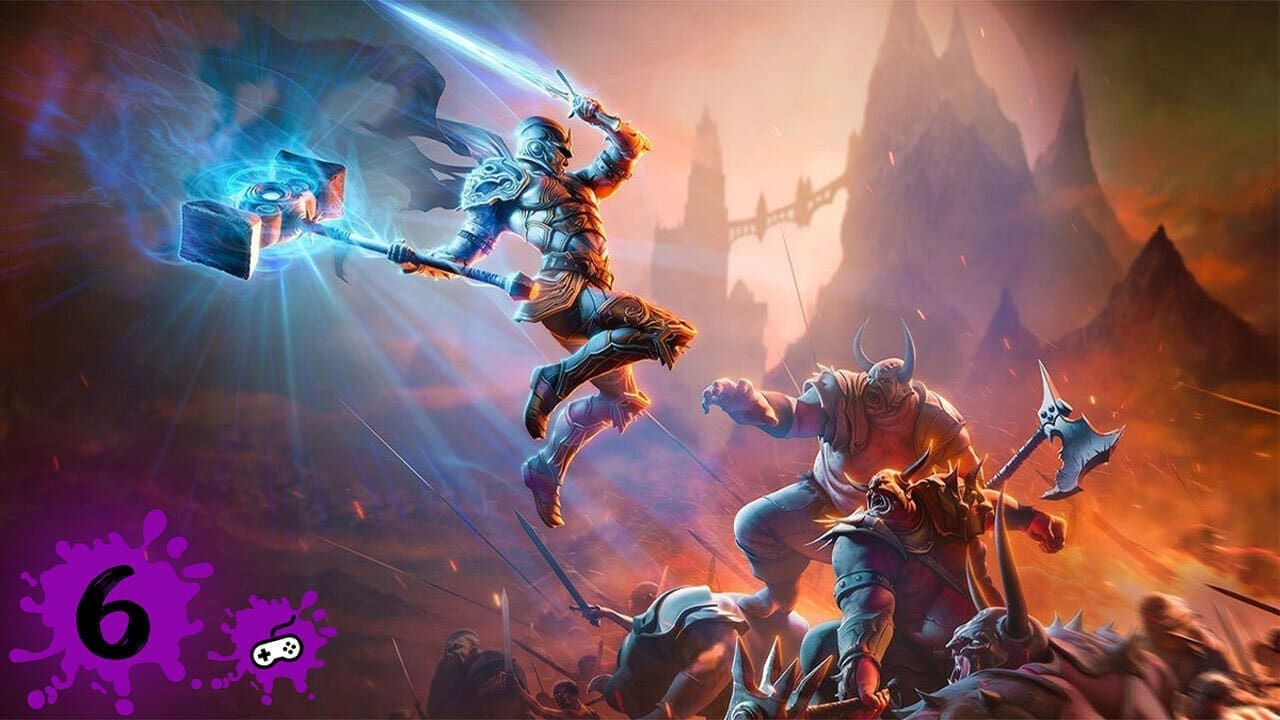
Originally released in 2012, Kingdoms of Amalur: Reckoning was bred as the beginnings of a brand-new fantasy universe to stand up next to giants like J.R.R. Tolkien’s The Lord of the Rings. This did not happen. Although the game released to mostly positive reviews, the head of 38 Studios, Curt Schilling, had dug the studio into a debt he could not escape. Only months after the game released, the studio closed. All of this is to say — I don’t think anyone expected to see the Kingdoms of Amalur IP again. But THQ Nordic has made it a mission to prove that what was once dead may live again and purchased the IP last year.
As far as remasters go, Kingdoms of Amalur: Re-Reckoning is a rather disappointing one. There are some slight gameplay improvements, but there isn’t the level of love you’d expect from remasters in 2020.
The package includes the base game and both expansions that were released, Teeth of Naros and The Legend of Dead Kel. That’s well over a hundred hours of content. Even when I rolled credits I had over 40 side quests uncompleted in my quest log.
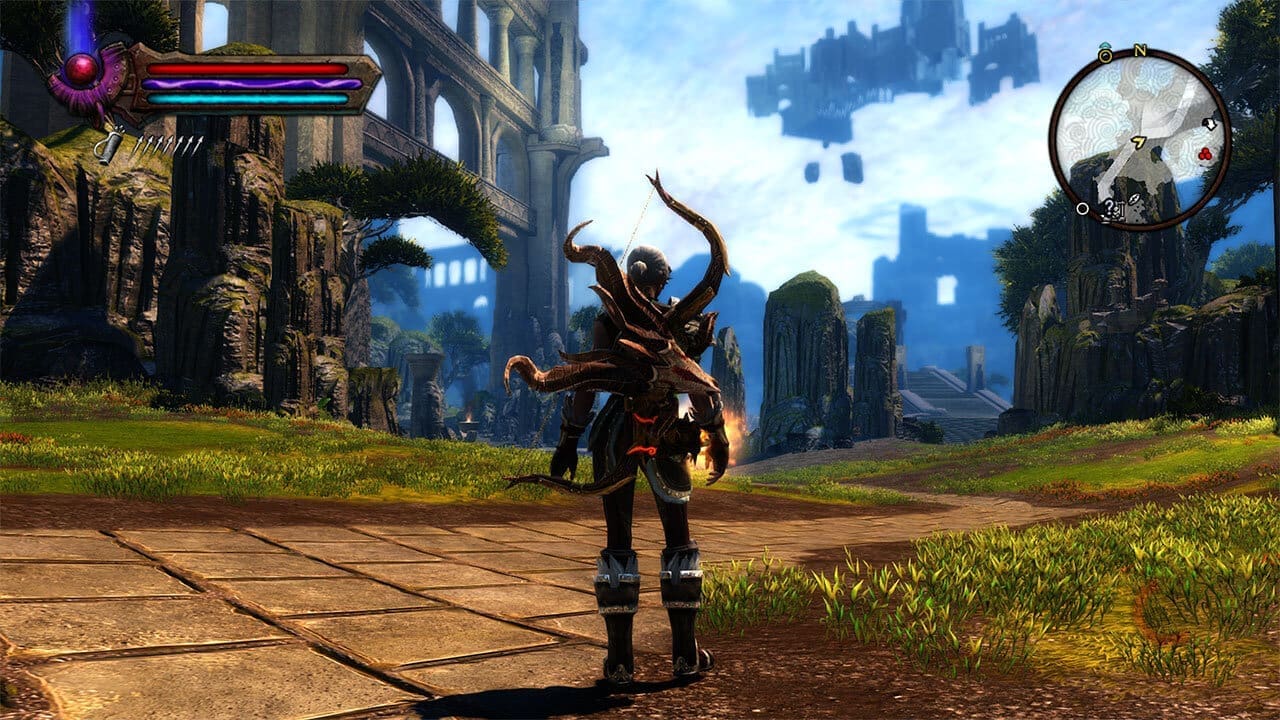
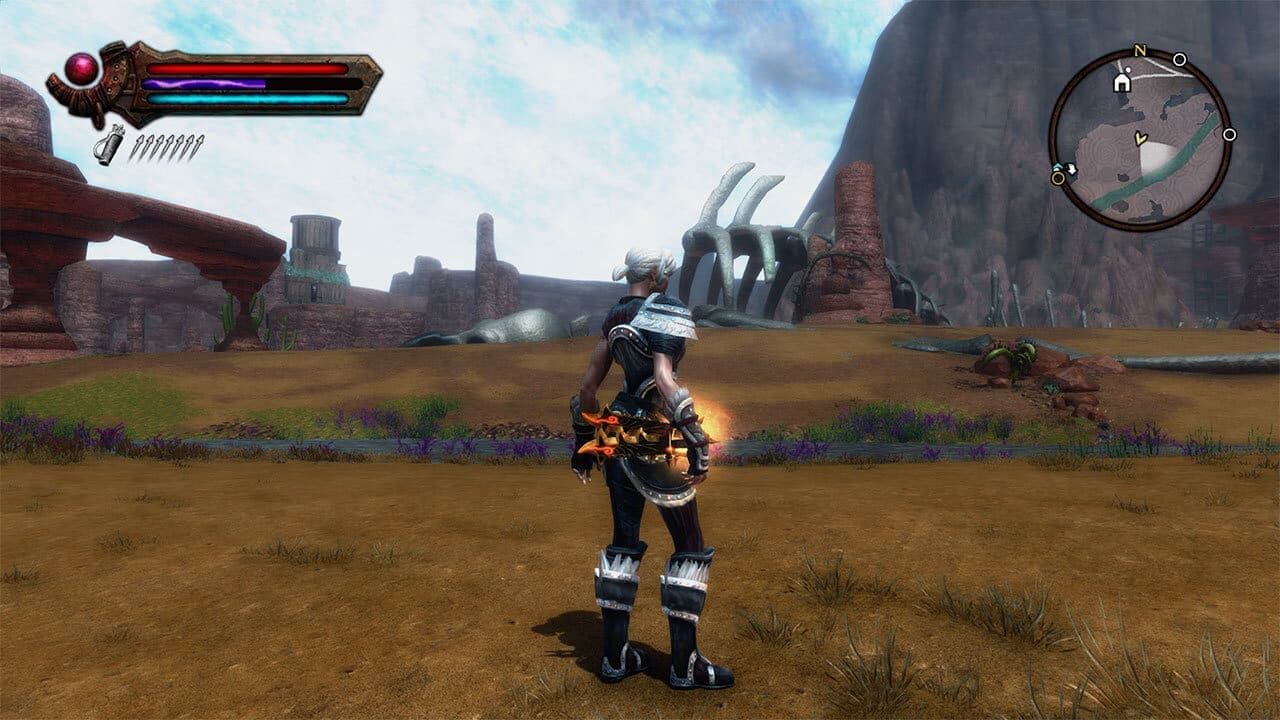
The whole game has been given a slight visual upgrade. And by slight, I do mean minuscule. Most of the time you can barely tell the difference. Textures haven’t been touched and — at least on a PS4 Pro — the most noticeable difference was some nicer lighting and maybe, just maybe, some softer edges.
Most of the improvements have been to the gameplay, and they are good changes. Each zone now re-calculates enemy levels every time you enter an area, as opposed to just the first time. There’s also no level-locking gating you out of areas. You can brute-force your way into most places and eventually return to earlier zones feeling stronger. These slight but noticeable changes mean the game now feels like a better package — it flows better zone-to-zone, and you’re left feeling like you’re able to explore at will.
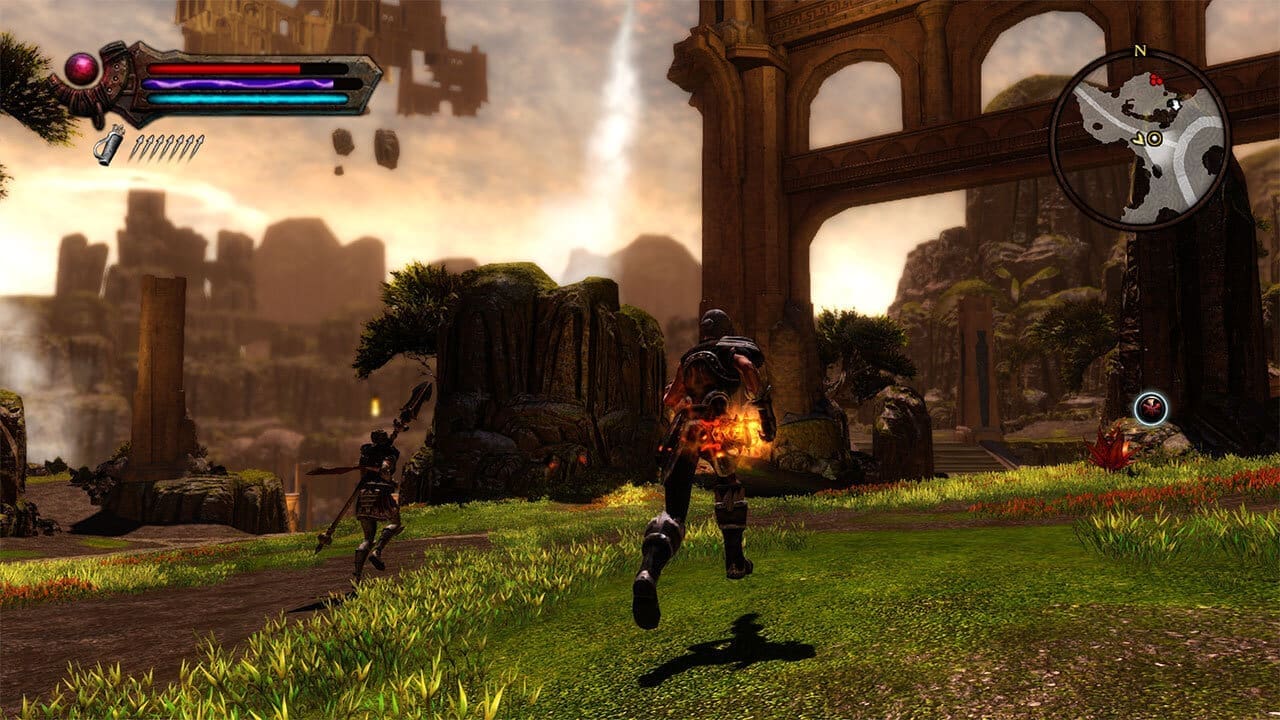
What made the first game a success in critics’ eyes in 2012 still works well today. Kingdoms of Amalur: Reckoning uses a combination of almost God of War–inspired button-mashing and your typical RPG classes. The breadth of options for how you choose to play Amalur is the game’s defining feature. You’re free to mix-and-match rogue skills and weapons with mage spells. You can be a master of none or a taster of all classes. Choose to focus on your typical fantasy class structures if you must — the choice is yours.
The open world and mission structure are what feel the most dated. There are a lot of missions, but they all feel the same. There’s a huge world, but it doesn’t truly feel open. There’s no way to travel faster on foot and exploration rarely rewards you with anything other than a weapon you’ll melt or sell.
Every mission, be it from the core quest line or a random side quest taken from a villager, almost always ends or starts with fighting. Go to a place, kill enemies, rinse and repeat. It’s an odd dichotomy for a game that encourages so much freedom of choice.

The game also has one of the most cumbersome UI and loot systems I’ve played. There’s no way to quickly compare looted weapons to what you have equipped. And although you may want to play as a mage for one mission and a stealthy thief in another, there are no customizable loadouts to make switching gear easy.
I haven’t spoken about the story because I found it to be a bore. Back when the game released I watched a friend play it and thought my lack of interest was because I wasn’t in control, but no — it’s simply a rather lacklustre campaign. Your player-created character can defy destiny and weave their fate. There’s a big bad with plans for world destruction (or something) and then there’s you and your friends putting a stop to that. I just couldn’t get over the library-sized pile of lore and background information that seemingly is always being dumped at your feet, no matter how intriguing the bigger lore of Amalur can be.
As a remaster, there could have been a lot more work done here. It’s obvious THQ Nordic is looking for a quick turnaround and a way to gauge interest in a sequel. Weirdly, there’s a third expansion coming for this remaster sometime in 2021. If they’d paused the release until the expansion was finished, it could have launched with a much more exciting selling point.
Kingdoms of Amalur: Reckoning was, and still is, fun to play. With hundreds of missions and a constant wealth of loot to sort through, this remaster — as poor as it is — would still tickle the fantasy-RPG bone of anyone seeking a time-sink until November.

Kingdoms of Amalur: Re-Reckoning code provided for review.