
Explosion Network may receive a commission when you purchase something via a link on our site
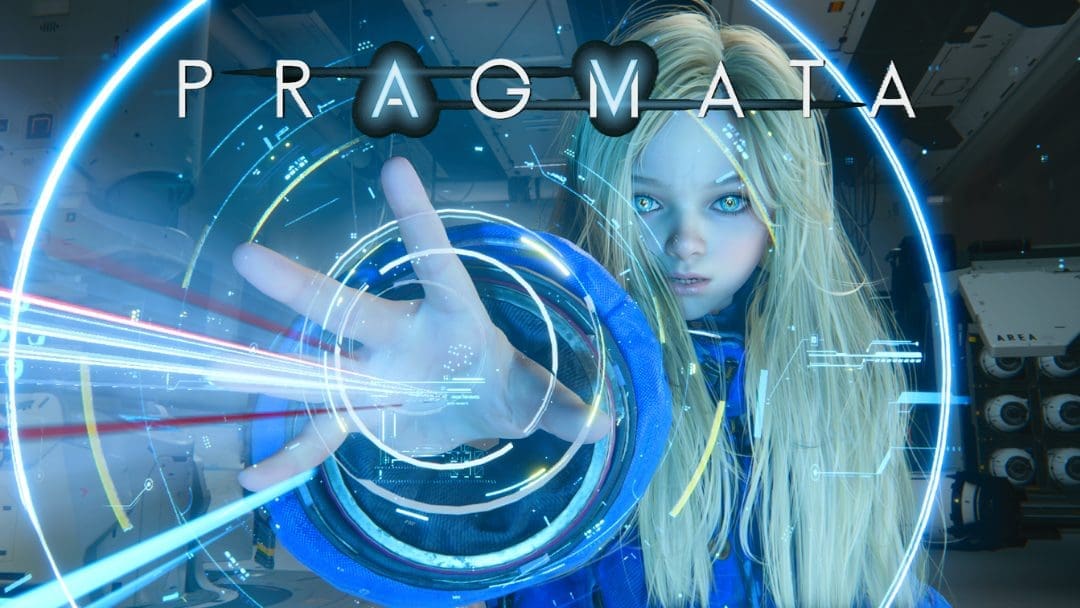
After playing the Pragmata demo earlier this year, I was keen to play the full game. With its unique stylings and its lunar-based story, I was on the hook and keen to see what it was all about. The demo jumps in not far after the start of the game and is short enough as not to spoil anything.
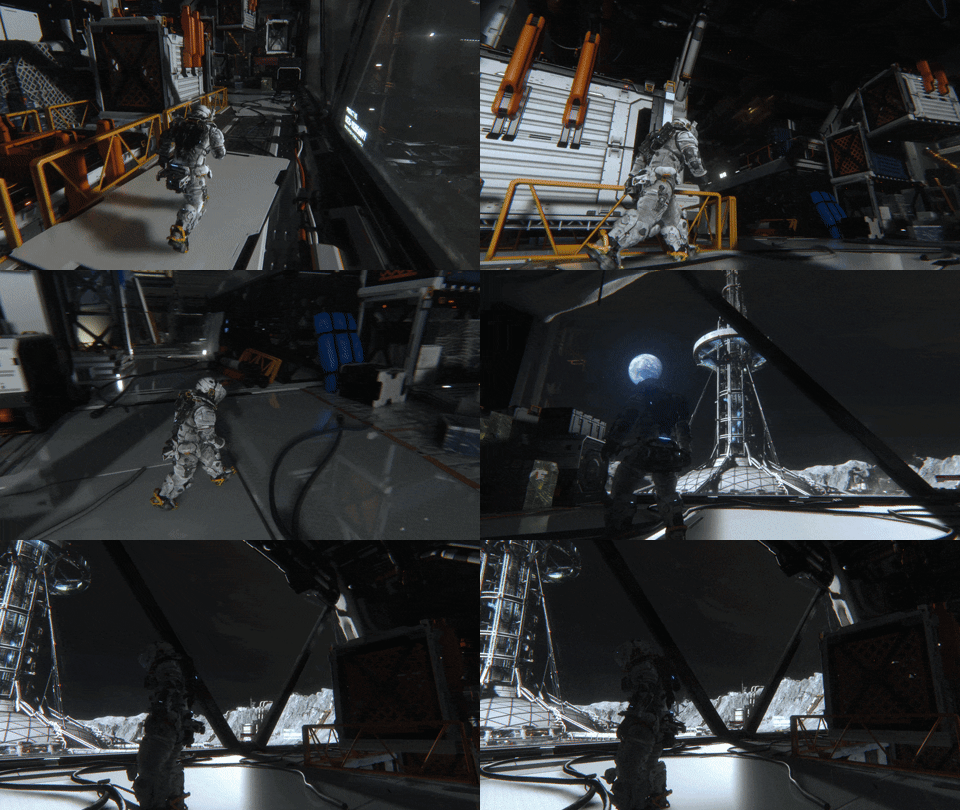
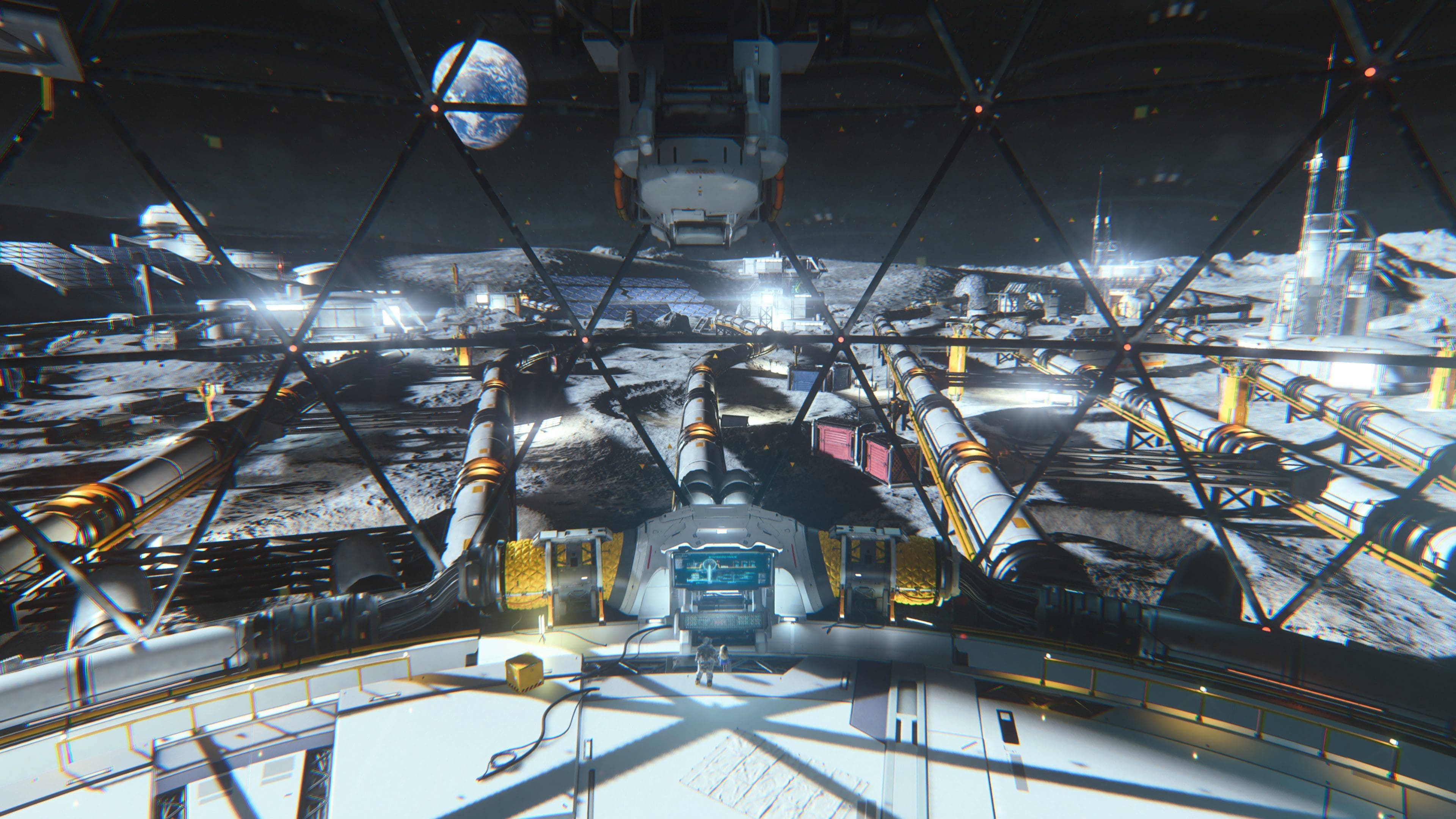
To set the scene, Pragmata opens with the arrival of a maintenance crew. As they contact the tower, there is no response, the crew proceed to land to figure out what is going on. Looking at the logs, it seems there have been some lunar quakes that have disrupted the station. As the crew investigates the station, another major quake separates the team and eventually leads our protagonist, Hugh, to find a young girl later known as Diana.
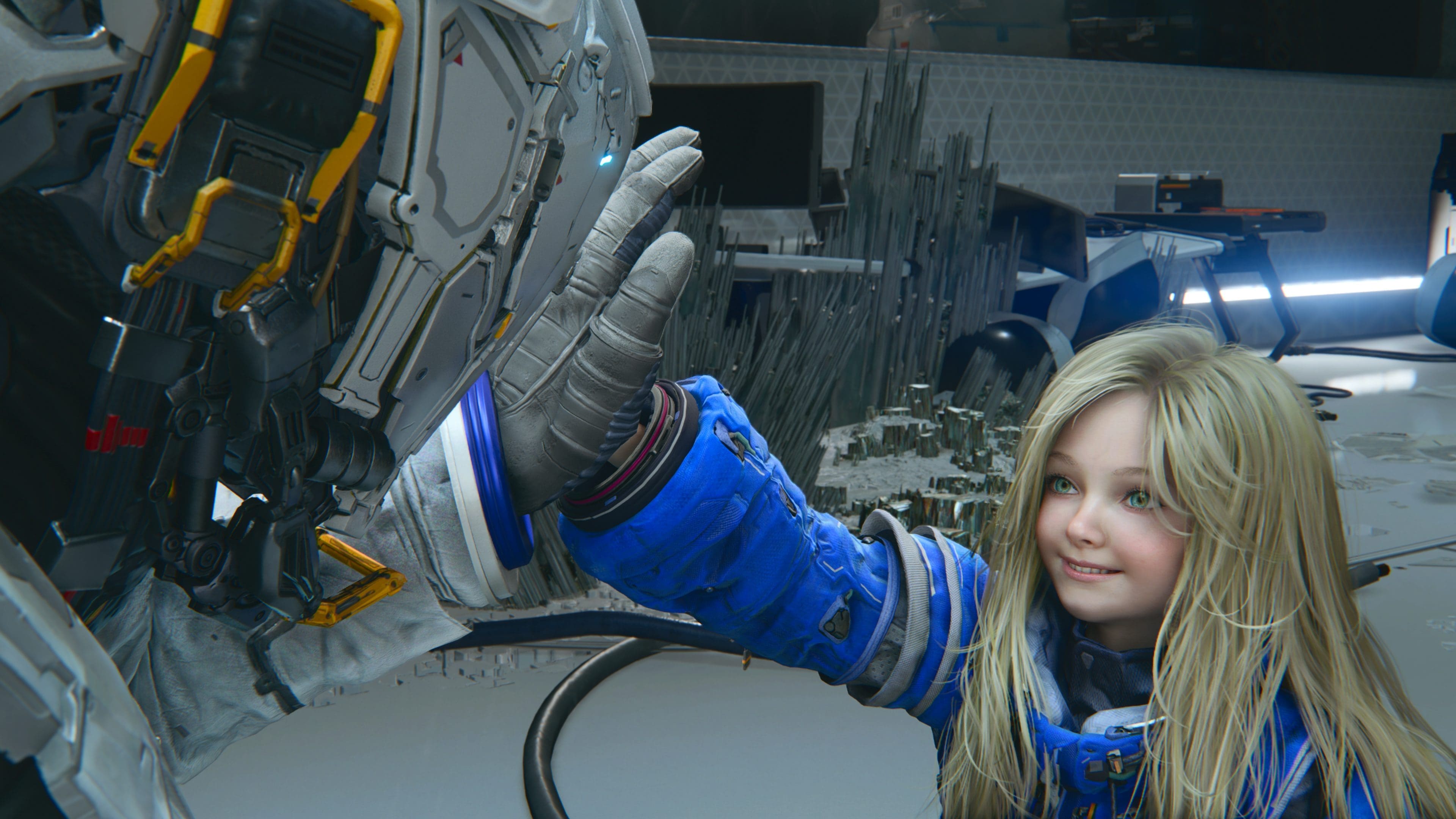
She helps him to his feet, and one of the previously friendly robots changes into an aggressive enemy, forcing Hugh to fight it. During the fight, we learn that the girl is more than she appears to be and is one of the Pragmata androids. Her unique ability opens the robot’s hard shell, allowing him to use his gun to destroy it. The two make their way through the facility, eventually arriving in a safe place. This area becomes the two’s makeshift home throughout this journey.
The story is what drove me through Pragmata; the game rewards exploration extremely well, with a mixture of items, story, and holograms that slowly and surely explain what lunar station life was like and hint at what may have led to the occupants’ downfall.
With the team of two bonding as they have, they soon decide to continue investigating the Lunar base, discovering more about it along the way and opening different sections. During these investigations, increasingly odd activities are occurring; the bots encountered earlier have changed and continue to change throughout the game. Gaining heavier armour, different abilities and becoming increasingly hostile. We are also greeted by the A. I, the overlord controlling them, “Idos”. When entering many rooms, the A. I greeted us with a chirpy message that we are not authorised, followed by a large boss battle.
Combat is another area where Pragmata excels. The dual control system may take some time to get used to, but it offers a unique approach to battles. In this system, Diana hacks bots to make them vulnerable to attacks, while Hugh focuses on dodging, attacking, and defending. Adjusting to this style can be challenging, especially when facing multiple enemies.
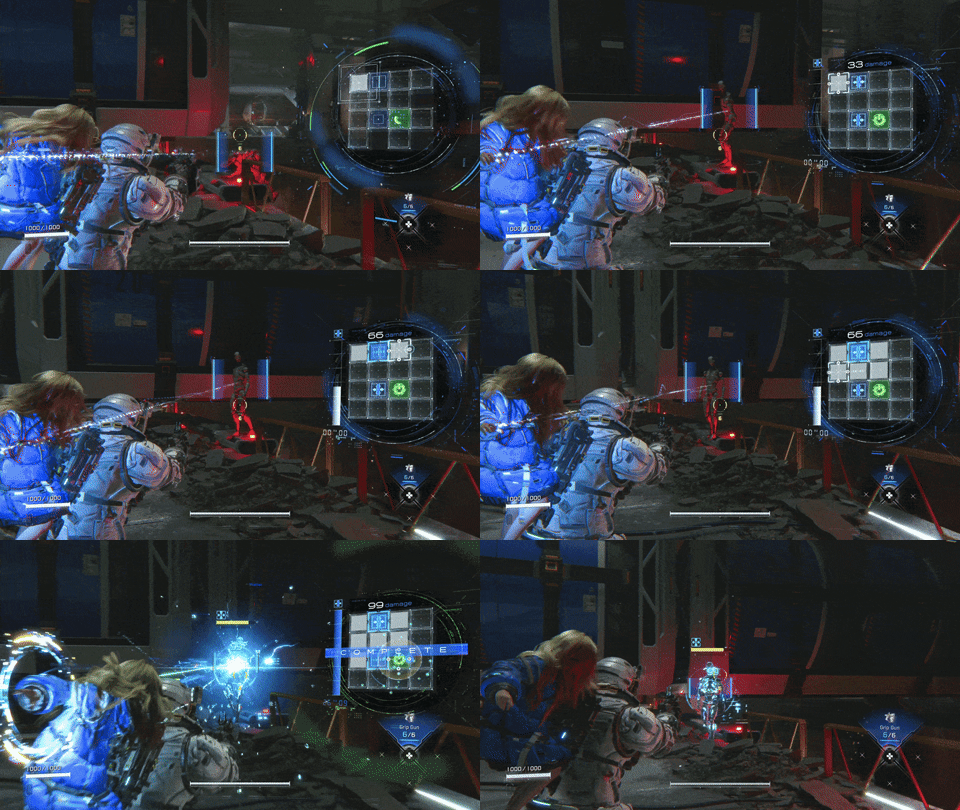
Using the grid system, Diana begins by hacking the bots to open them up for attacks, which allows her to inflict additional damage as well. As the game progresses, she unlocks nodes during the hacking process that provide extra effects when passed through. These effects can include staggering, additional damage, overheating, confusion, and more.
Hugh also acquires additional guns and defences that significantly aid him in combat. One of my personal favourites is the stasis gun, which can immobilise robots and was invaluable when facing larger groups of enemies. There is also a shotgun, a charged sniper rifle, decoys, and many other types of weapons. Each gun has its own unique skills or shooting styles for either defence or attack.
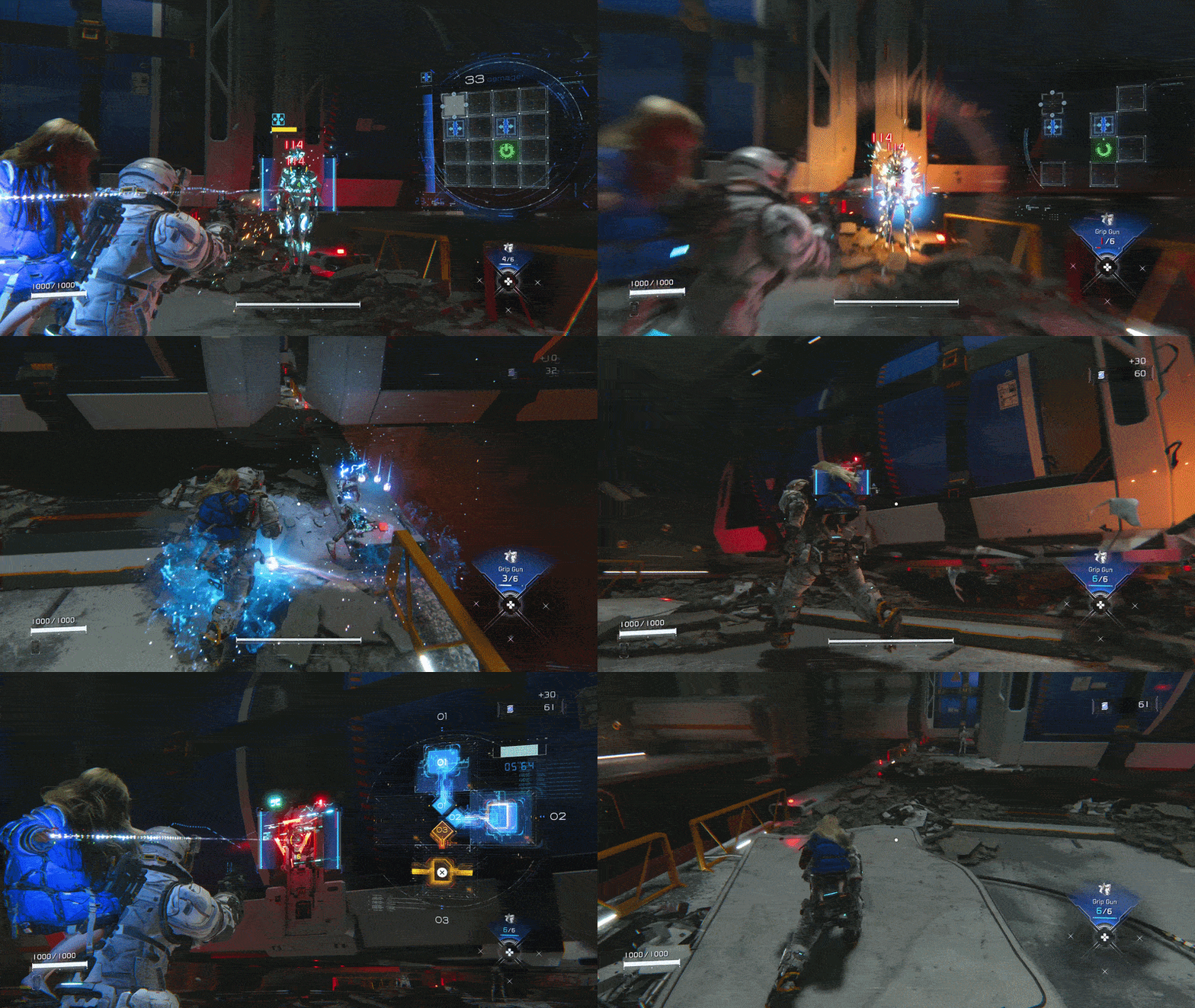
Returning to the shelter also allows for upgrades to the guns, skills, Hughes’ exo suit, and Diana’s hacking. There is much to do in the shelter, and it is a safe space to take a breather and recoup. There are many accesses to this shelter, and they are spread amongst the lunar sites. Making breaks easier, there is a catch, however, that enemies will respawn whenever exiting the shelter. The shelter consists of some computer bays to upgrade gear and our protagonists, as well as some additional features, including information and other fun things that I won’t spoil here.
Pragmata is a beautiful specimen of a game; its art, textures, and movement combine into a wonderful sci-fi adventure. Diana’s flowing locks, Hugh’s suit and movements, and the RE engine show their prowess throughout this game. With a great flow and a wide variety of scenes throughout, including a Times Square-like area and even growing forests, the scenes are beautiful and have me mesmerised.
The music is also subtle and purposeful, with the tempo and style picking up during battle. It was a good indicator if all enemies had been downed, which was helpful later in the game. There was also a calming effect to the music throughout the game. The sound effects in-game are especially cool; there was something about moving from the internal to the external of the base where the sounds got muted that really felt good. As well as the attacks and silence of the enemies were both disturbing and delightful at the same time.
Pragmata is an outstanding game that offers a captivating experience. I was able to finish the main storyline along with most of the side quests in approximately eighteen hours. One of the more notable features of this game was its unique combat system, which combines strategic elements with fast-paced action, keeping me challenged. The game’s visual style is truly impressive, blending futuristic and artistic design to create an immersive atmosphere. The environments are richly detailed, enhancing the overall storytelling experience.
(Review code provided to Explosion Network.
Read about our review and ethics policy here.)