
Rune Dice Review
Combine dice to build and group synergies to defeat foes and bosses.


The perfect type of game for the Steam Deck
Game Designers: Oleksii Tkachuk, Vladyslav Bakhmach
Producer: Oleksii Tkachuk
Lead Programmer: Vladyslav Bakhmach
Pixel Artist: Vladyslav Stepanenko
Composer: Kseniia Voitytska
Sound Designer: Vladyslava Sova
Developer: Smart Raven Studio
Publisher: Kwalee
Platforms: PC (AMD 9800X3D, Radeon 9070XT, 64GB DDR5 RAM), Steam Deck
Release Date: May 20, 2026
Rune Dice is a different type of deck builder; instead of cards, dice are collected and launched to create a chain of magical reactions to defeat enemies. With a distinct range of hero classes to choose from, all with unique abilities and dice.
Rune Dice has quickly become my go-to on the Steam Deck for its ease of playability and fun. The game is a unique adaptation of the typical deck builder. Using dice and physics to try to defeat enemies. Defeating enemies is done by using the combination of dice, each of which has an attack amount and combining them adds to the total damage amount. These dice can range from basic attack dice; however, they can also include healing, consistent damage, stuns and more. Using the damage and the special dice, I was able to defeat most enemies while taking as little damage myself.
Each character in the game possesses a unique set of skills represented on the dice. Knights, for example, utilise heavy slash attacks and shields for damage protection, while rogues excel at dodging and are particularly adept at executing sneak attacks. There are eight unique classes to unlock, each featuring three different characters with distinct starting builds. This variety ensures that every adventure offers a different experience. Personally, I preferred the rogue and wizard classes due to their intriguing skill sets, but I explored all the available classes, and each one had its own advantages and disadvantages.
Each run is unique due to procedurally generated maps, draws, rewards, relics, and runes, which create different challenges each time. I focused on acquiring as much currency as possible early in the game, aiming for a run that would lead me to a store. Spending my hard-earned gold on dice, relics, or runic abilities to enhance my experience and run success chances. There is a wide variety of both relics and runic abilities to choose from.
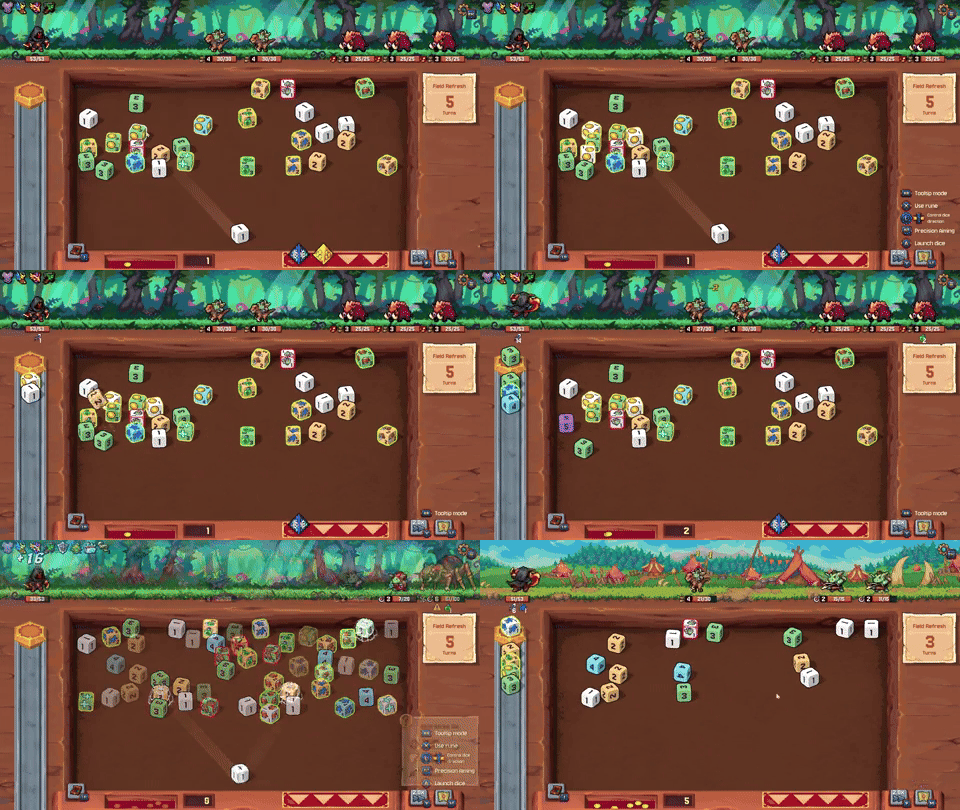
Relics enhance your character or dice in various ways, ranging from simply starting with a higher dice number to increasing attack strength. They can also provide shields, improve dodge capabilities, add poison, grant extra springs to dice, and much more. The possibilities are seemingly endless and often make the difference between success and failure. Runic abilities, on the other hand, focus more on the dice. They can provide healing, add extra coin dice to your tray, or even activate or shift dice. These runic abilities are invaluable in the game.
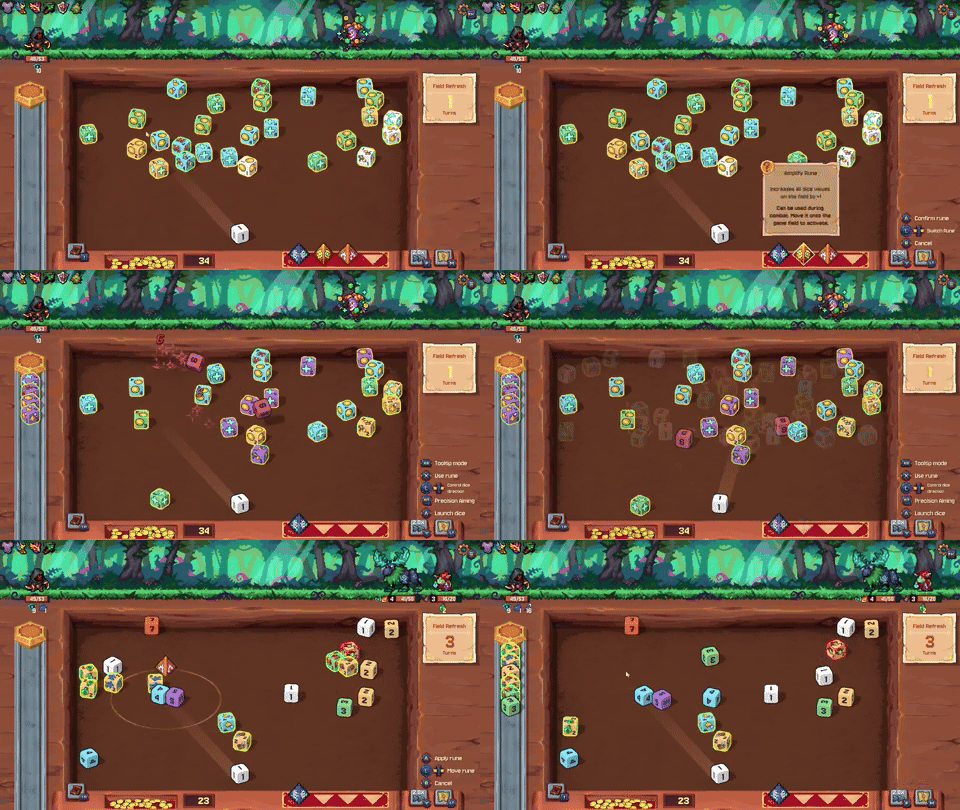
The gameplay was enjoyable and involved shooting the main die at the other dice in the tray. When two dice showed the same number, they would combine to create the next number in the sequence. For example, if two dice were both ones, they would merge to form a two. This combined die would then propel itself toward the nearest corresponding number. If it collided with that number, they would merge to the next number in the sequence and launch toward its counterpart in the tray. This process would continue until either physics or a lack of matching numbers prevented further movement.
The physics at play also meant that the movement of the dice could knock over other dice, allowing for multiple combinations to occur. Once the dice were combined, their values would be added to the total attack amount and used in battle. Creating a somewhat chaotic and beautiful scene on the dice tray. Often, my heart lurched at the half a millimetre it would have taken for the next dice combo.
The bigger the stack of dice, the more damage dealt to the enemies. Combinations, including the special dice, also added some flair. Now, with attacks, guarding, and coins on the table, combinations meant more. Some of the mini or big bosses also had their own effects. The additional dice are added to the tray, and if combined during the attack, would benefit the enemies over my intrepid hero. This addition meant I had to be more careful, aiming to maximise my damage and not include any buffs for the enemy forces.

One of my favourite aspects of the game is the music. The in-game soundtrack is fantastic; even though it can be a bit repetitive, the catchy beats during battles, the melodic tunes while exploring the map, and the overall atmosphere in the menus create a great vibe. Sometimes I would leave the game open just to relax and enjoy the music.
Dice Rune is an amazing, fun game. I have been playing it nonstop since gaining access. It is the perfect type of game for the Steam Deck, with its short, fun runs and its ability to be paused and slept. The full runs are short enough to be completed in around twenty minutes, or each round lasts only a minute or two. The ever-changing map and range of items, relics and tactical ruins make each run unique.
(Review code provided to Explosion Network.
Read about our review and ethics policy here.)
Rune Dice Review
As someone who normally isn’t a deck builder fan, I was all in on this game.

Jacob Hegarty
I enjoy games, and spending time with my pets, I also love drawing, painting, and being creative.
MORE FROM JACOB HEGARTY →

Comments