Synopsis:
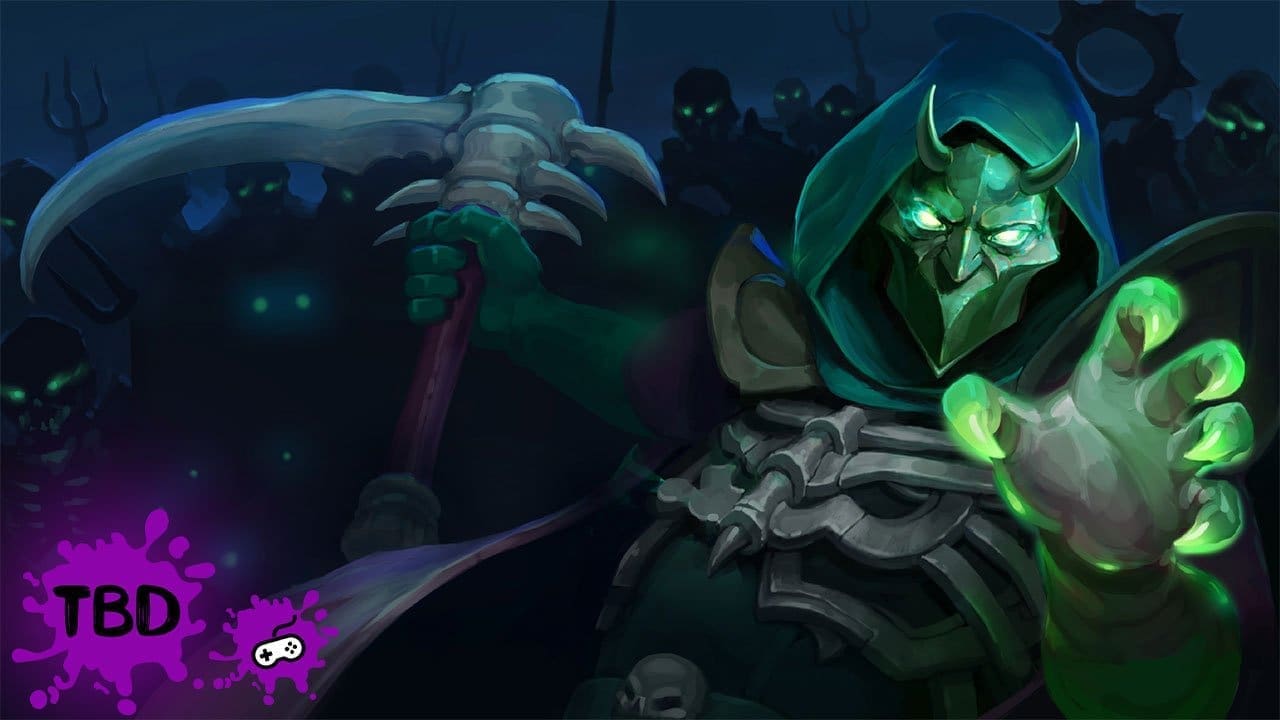
Raise the dead as a fearsome Necromancer in the dark world of The Unliving! Lead your undead armies into the endless fight in this rogue-lite action RPG game. Burn cities to ash with devastating magic spells, slay epic bosses and turn your enemies into morbid servants.
Reviewed on: PC (Intel i5-9400F, @2.90GHZ, RTX 2060, 16GB RAM)
Developer: RocketBrush Studio
Publisher: Team17 Digital
The Unliving fits the bill of a Necromancing action roguelike. In its current early access release, it has the action down pat, with a combined active action and army management combat system that is the highlight of the current iteration and will develop as further systems around it are improved. The Roguelike structure leaves a little to be desired, as the upgrade path and unlock rate can be challenging to navigate, which detracts from the overall experience.
Waking up as a Necromancer without your memories, you complete a short tutorial and make your way to your haven, the Edge of Immortality. Your amnesia is the main topic of conversation with some of your loyal servants, and you soon discover that your phylactery has been broken in pieces and requires you to venture out to recover them across the realm. Thankfully being undead yourself, you find that you can venture out as much as you need, always coming back to learn a little bit more from your servants and improve your necromance in your perhaps oversized haven.
Though the haven’s size serves a purpose, winding around the floors is your upgrade tree in what is a marvellous runic visual representation of your skill tree. For all that, the visual design of the skill tree is the best thing about it, as in practice, the system could be clearer. What needs to be clarified about the skill tree is how these upgrades affect each of your runs as you realise that winding along the floor is more things you have purchased to be found in the runs. This creates a feeling of purchasing a lot whilst experiencing little. Persistent upgrades are left to a few different menus, but even these leave a lot open for interpretation in how you are improving.

Thankfully, this does little to detract from the combat system, which is the favourite servant in the Unliving’s repertoire. The combat asks you to both actively engage in some ranged combat, simply poking away at the enemies with your Hexbolt whilst also managing your undead legion. Along the way, you pick up some spells to increase your agency in combat, which include summoning a bone launcher and propelling your victims’ blood into the survivors to explode in a gory mess. Whilst the active part of the combat is fun, it should give you more options early on, as with only one spell, long cooldowns and hard-to-recuperate mana, it does sometimes lean into your Necromancer sitting back and watching his minions fight.
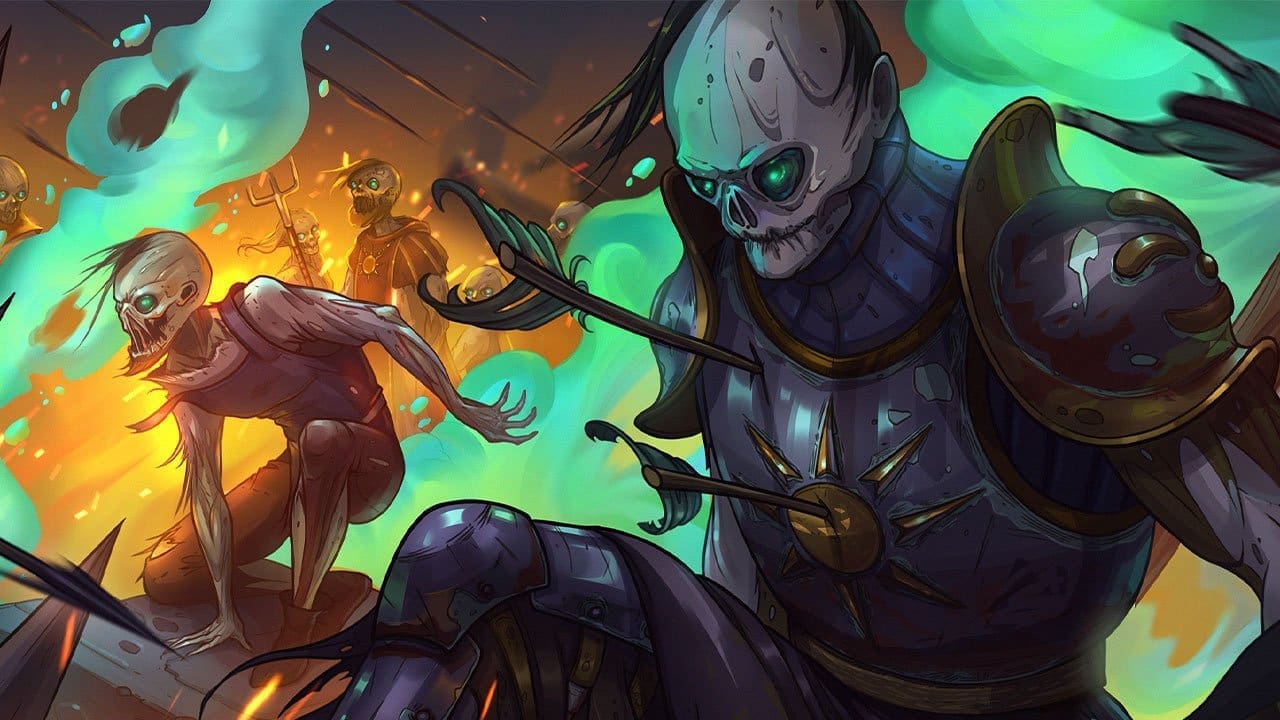
Though it is still quite engaging to manage the legion, as you bash your waves into enemy groups and barricades, the active controlling does need a few kinks ironed out. Maybe I expect too much from my undead, but they frequently get caught in the environment and stand around, not attacking. The legion also attacks as a swarm, with the only movement command you can give is to “attack this area,” which still feels good when you can swarm the enemy and really fits the necromancing feeling. There are four kinds of undead, each group to one of the numerical buttons to sacrifice an individual undead, causing a different powerful effect – An area of effect explosion, a healing wave or a power piercing arrow. It’s quite optimum to sacrifice your legion, as they slowly decay frequently; otherwise, some fights can drag on a bit.
The size of your legion can swell up quite quickly and remains run to drag them around the lovely pixel art environments attacking the frequent camps along the way. However, I found that due to the legion size, it often became quite chaotic on screen, which led to me taking a lot of damage that I had no idea about. Your health is broken up into three bars, and every time you lose one of these, there is a dramatic explosion, which is really the only indication when it is often too late.
Overall, there will be a good few hours of fun to this action Roguelike in its current iteration for those seeking a roguelike with some active action and army management. The upgrades paths around the game are the main detractor at this stage, but hopefully, as updates roll in, things will be explained more clearer and upgrades will feel more meaningful