
Untold: The Shooting at Hawthorne Hill Review
What makes this latest in Netflix's 'Untold' series stand apart is that it features both Barisone and Kanarek giving their sides of the story

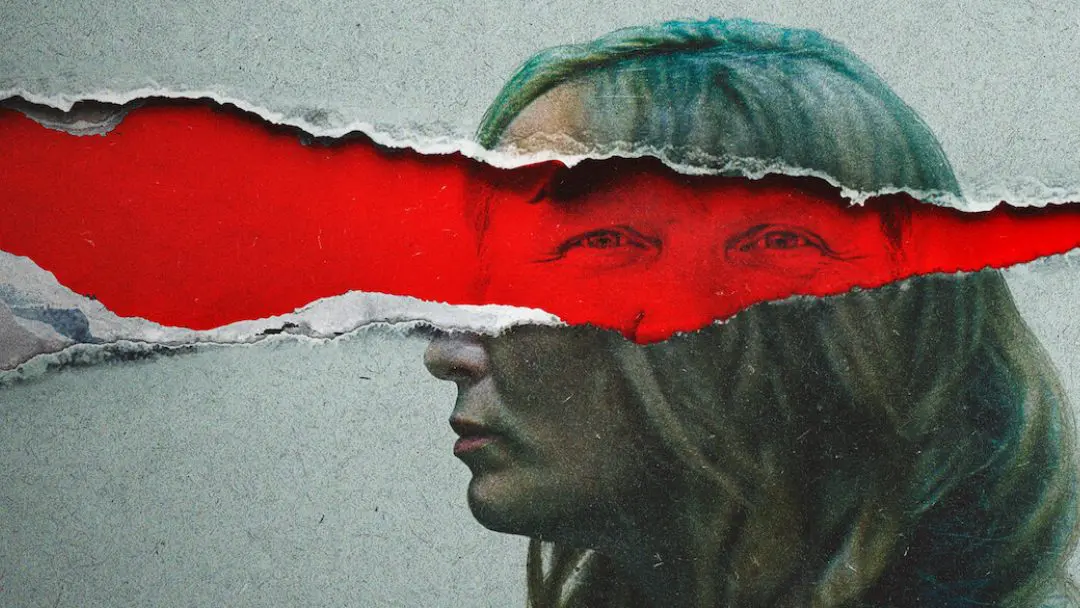
The dressage world isn’t one I’d expect to see much drama within
In 2019, Olympic equestrian Michael Barisone shot his once student, Lauren Kanarek, at point-blank range. This was the breaking point in a long period of escalating tensions between the two, which began over ownership of a particular horse. What makes this latest in Netflix’s ‘Untold’ series stand apart is that it features both Barisone and Kanarek giving their sides of the story. A story that has divided some since the court case in which Barisone pleaded not guilty by reason of insanity. That plea, as well as his higher profile as an Olympian, drives interest from the start of the documentary.
The dressage world isn’t one I’d expect to see much drama within, at least not out in the open. Knowing how much money it costs to be involved, there’s a sort of stereotype, I guess, of the types of people who would be involved in this sport. It’s certainly not the place I’d expect a case like the one exploited in Untold: The Shooting at Hawthorne Hill to play out.
Thanks to both parties being involved in the film, there’s a level of unbiased representation here you might not find in other documentaries. The way the events are presented, and each side explains how it was on its side of the fence. This includes friends and family of each Barisone and Kanarek, as well as their views on the escalating events.
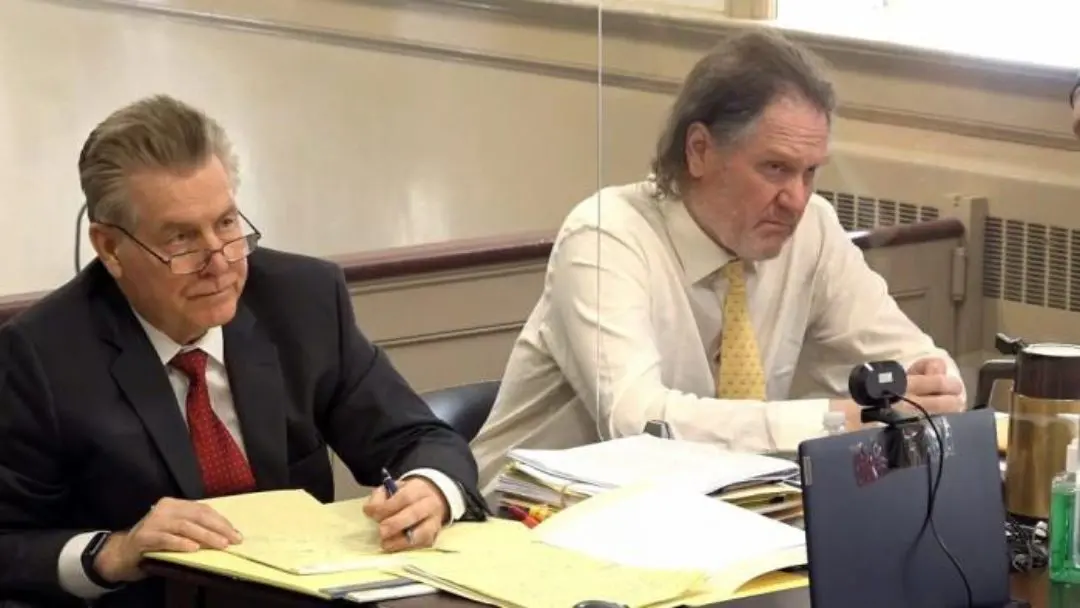
Things start with Kanarek meeting Barisone and beginning a lesson from the Olympian. She soon falls in love with a particular horse and begins living on the farm. But when her training is delegated to an assistant, she begins to raise concerns about what her money is getting her. Esculation ensues from their with months of on-going personal attacks, and eventually Barisone attempts to evict Kanarek from the property; before the shooting takes place, Barisone views a seemingly random child services attendance to be caused by Kanarek, while also fearing for his life as she continues to post somewhat chilling messages on her Facebook page.
What’s interesting about this case, and the documentary in itself, isn’t so much the shooting, which is short, sad and thankfully, doesn’t end with anyone losing their life, but the psychological effects that got to that stage. It doesn’t matter if you want to “pick a side” in this case, and I’d argue, not necessary given it’s obvious these two were in a toxic non-romantic relationship that shouldn’t have even gotten as close to the events that occurred as they did. Why the many law people involved weren’t able to provide better help and mediation is a show of how situations like this, and in other cases, romantic toxic relationships do slip through the system, and we end up with cases like this one.
(Screener provided to Explosion Network.
Read about our review and ethics policy here.)
Untold: The Shooting at Hawthorne Hill Review
Untold: The Shooting at Hawthorne Hill is the best in this series so far, thanks to its ability to bring all parties involved into view and offer a case from both sides, leaving the audience to digest the why rather than the how.

Dylan Blight
[He/Him] Dylan Blight is the Founder and Editor-in-Chief of Explosion Network, an independent Australian publication covering video games, film, television and pop culture. Since founding Explosion Network in 2017, Dylan has written and produced reviews, news, interviews, features and podcasts across the entertainment industry, while overseeing the publication's editorial direction and content.
MORE FROM DYLAN BLIGHT →


Comments