
Lost Castle 2 Review
With fast-paced runs, vibrant colours, and the ability to sleep when not in use, this game is a significant part of my current gaming rotation.


An action-packed 2D beat ’em up rogue-lite
Developer: Hunter Studio
Publisher: Hunter Studio
Platforms: PC (AMD 9800X3D, Radeon 9070XT, 64GB DDR5 RAM), Steam Deck
Release Date: June 11, 2026
Lost Castle 2 is an action-packed 2D beat ’em up rogue-lite with abundant treasures and a glorious colour scheme, and customisable characters. You battle your way through the mysterious and seemingly cursed land while exploring the surroundings of the Lost Castle. The game features a variety of weapons and weapon types, a vast array of power-ups, and many different armours and defences.
I have been playing Lost Castle 2 primarily on my Steam Deck, as it is a fantastic travel game. With fast-paced runs, vibrant colours, and the ability to sleep when not in use, this game is a significant part of my current gaming rotation.
My initial impressions of the game were not great. After a couple of attempts, I got defeated early on, which left me feeling frustrated. However, during my third run, I began to grasp the mechanics of the game better, even though that run ended at the second boss. Following that experience, I began to understand the runes, buffs, and effects of items beyond just weapons and armour. With this newfound understanding, I was able to progress more effectively, slowly defeating additional bosses and opening new paths to explore.
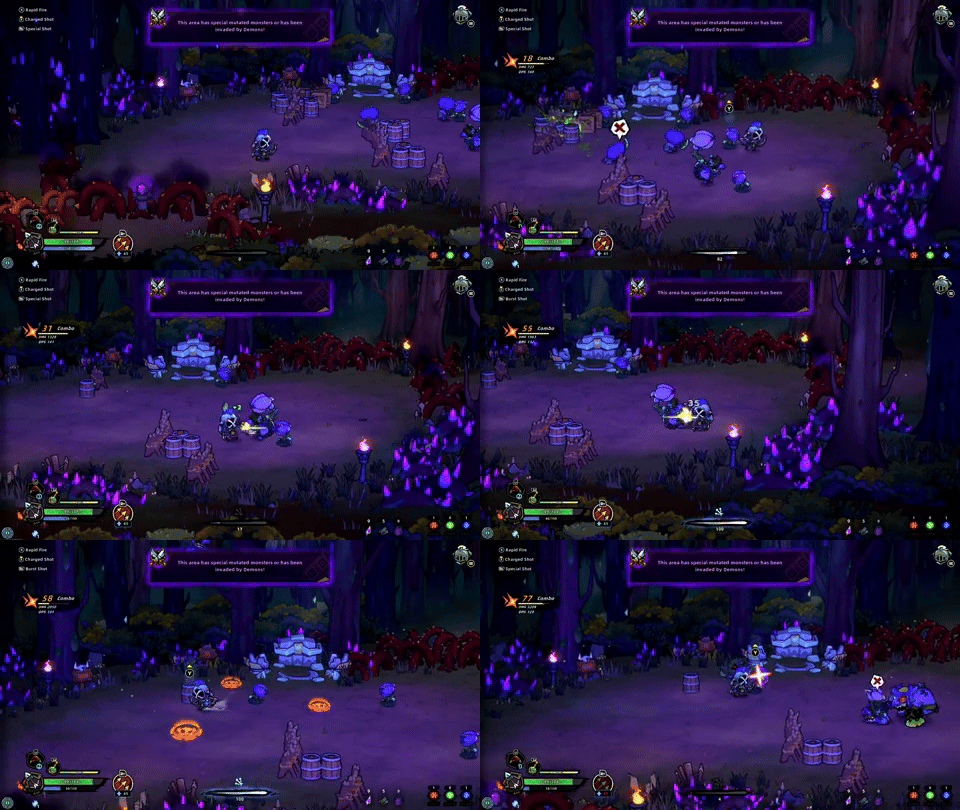
The game no longer felt like I was fighting it as well as the enemies, and a flow began to take hold. I was getting better at timing dodges. I was able to get in a few hits before rolling out of the way and then flinging an enemy at another. Single hits became combos that became special attacks. Then it was a boss stage. I took most of its health, but I forgot that I could heal. I was soon defeated and swiftly returned to my village on the back of a bird.
Returning to the village, I decided that I should look about and talk to the locals; a blacksmith, a rune expert, and a dark, shady character were just a few to be found. All had their purposes, but my focus was on how I could get further in my runs.
I headed to the Blacksmith and looked at his wares. Counter to what I thought, his purpose was to level up my village, which in turn levelled my character. With the small amount of gold I had earned, I used it to level up my movement and damage, propping the village to level five and unlocking a second tier of upgrades. I used the remaining cash to unlock the alchemist, and I was on my way back to battle to gain some more cash.
This is how the game went for a while: battle, return, upgrade and back to the grindstone. The changes are slight but steadily progressing me further into the game. With the next few runs, I also unlocked additional villagers, additional routes to travel on the map and faced a bunch of new bosses and enemies. These new bosses were more challenging, but with each of their defeats, I unlocked more options at the village and with the alchemist. The alchemist used these unlocked items to add background boosters for my runs, helping with things like mana points or health.
There are various types of enemies; each section of the game is themed and determined by specific routes. Sometimes, enemies are combined. For example, the first section is occupied by goblins. Sometimes these are infected by plant enemies, which makes them toxic goblins. Once this section and its boss are defeated, I was given two options for the next enemies: zombies or fish folk. Later, a third option was unlocked. Each enemy has a unique movement style and attack pattern that can be countered, making battles engaging and interesting.
The map appears as a loading screen between sections, displaying various options and routes that players can take. I particularly enjoy the art design in this game; it features a pixel-based style that resembles hand-drawn sprites set against a pre-rendered background. This design choice makes it easier to differentiate between the sprites, combat elements, and background scenery. Overall, this clarity enhances the gameplay experience and helps keep track of the characters during combat.

The music and sound effects in the game are outstandingly crafted, contributing significantly to the overall atmosphere. The soundtrack beautifully ramps up during pivotal moments, ensuring the music’s intensity matches the action on screen. Additionally, the variation in music reflects the different environments and scenarios within the game, enhancing immersion.
Each enemy has unique sounds that make them recognisable, and the combat effects are distinctly varied, from the clashing of weapons to the impact of spells. This diversity of audio keeps the experience fresh and engaging, creating an audio feast that complements the game’s visual elements perfectly. Overall, the attention to detail in the sound design elevates the gameplay experience to a whole new level.
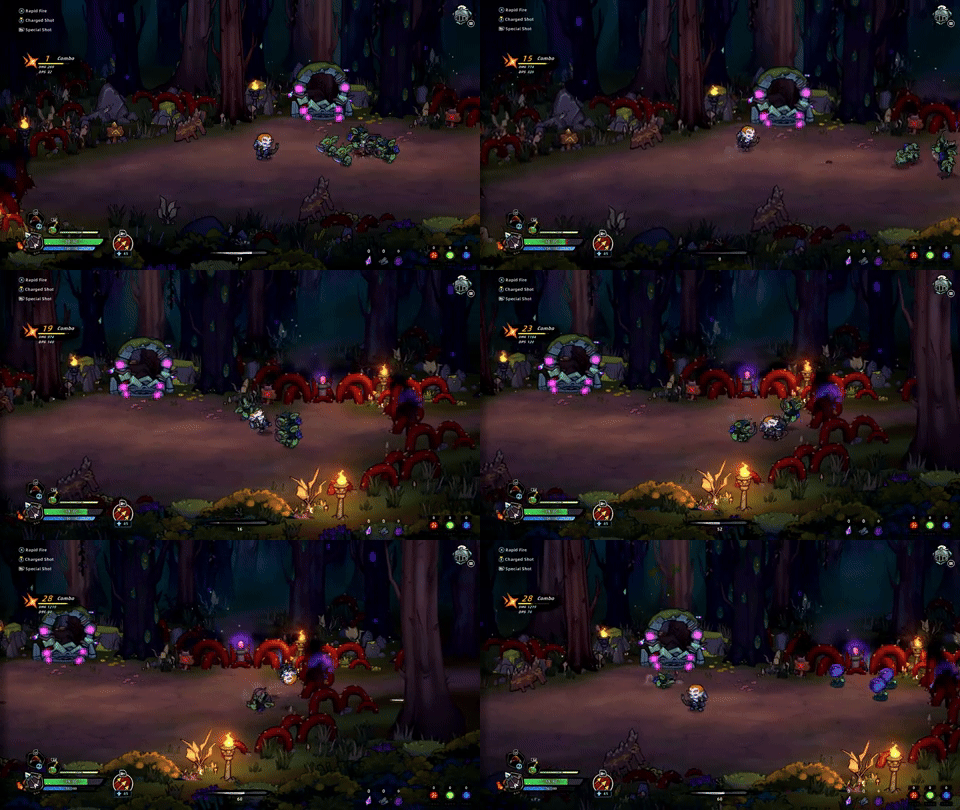
The game features a robust multiplayer experience, with the option of either couch or online coop. Battle foes and work together to beat the game; switch up the difficulty to boost drops and make it more challenging for all involved. Or dial it right down if playing with lesser-skilled pals.
Weapon, armour and rune effects are varied; they run deep into the gameplay. With two hundred weapon and armour choices, and over 100 rune or treasures in-game, the combinations are near unlimited. Some of my best runs have been by combining weapon and armour buffs with passive effects that made my character ridiculously powerful. While my shorter and less successful runs are generally affected by poorer choices on my part.
My experience with Lost Castle 2 has been quite positive, even though my initial runs left me feeling frustrated. This game performs exceptionally well on handheld systems like the Steam Deck and is enjoyable when played solo. The multiplayer mode is also fun, and I look forward to sharing the game with friends. Although it is still in early access as I write this, I have been playing the release version, which has met all the milestones outlined in the roadmap.
(Review code provided to Explosion Network.
Read about our review and ethics policy here.)
Lost Castle 2 Review
The story is engaging, and the gameplay, along with the overall atmosphere, is captivating. I plan to keep this game in my rotation as my go-to for roguelikes.

Jacob Hegarty
I enjoy games, and spending time with my pets, I also love drawing, painting, and being creative.
MORE FROM JACOB HEGARTY →

Comments